
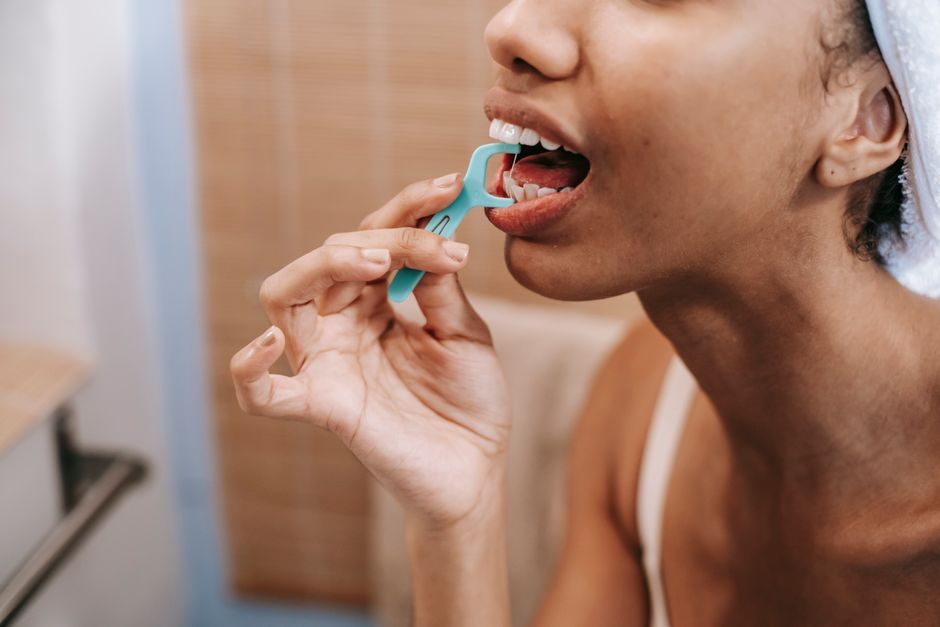
Keeping your natural teeth for life is possible for most people, but it takes more than just brushing. The real keys are controlling the bacteria in your mouth, keeping your gums healthy, and avoiding the hidden habits that slowly damage enamel. Research from the CDC shows that nearly half of adults over 30 have some form of gum disease, which is the leading cause of tooth loss. The good news is that most of this is preventable with the right daily routine and a few simple changes to how you think about your mouth.
Does Brushing and Flossing Alone Keep Your Teeth for Life?
Brushing and flossing are the foundation, but they are not a complete solution on their own. Studies have found that even with perfect brushing, people miss about 40 percent of tooth surfaces. Flossing reaches the tight spaces between teeth where food and bacteria hide, but many people do it wrong or skip it entirely.
The real problem is that brushing and flossing remove plaque that has already formed. They do not stop the bacteria from growing back within hours. The American Dental Association recommends brushing twice a day with fluoride toothpaste and cleaning between teeth once a day. That is the minimum standard, not a guarantee.
What most people miss is the importance of technique. Scrubbing hard does more harm than good. It wears away enamel and pushes gums back. Gentle circular motions with a soft-bristled brush are what actually work. If your toothbrush bristles look frayed after a month, you are brushing too hard.
What Causes Tooth Decay and Gum Disease in the First Place?
Tooth decay happens when bacteria in your mouth feed on sugar and produce acid. That acid dissolves the enamel, the hard outer layer of your teeth. If the acid attack happens often enough, a cavity forms. Gum disease starts the same way. Bacteria build up along the gumline, causing inflammation. If left alone, that inflammation destroys the tissue and bone that hold your teeth in place.
Research published in the Journal of Dental Research has shown that the bacteria Streptococcus mutans is the main culprit for cavities. For gum disease, a mix of bacteria including Porphyromonas gingivalis is responsible. These bacteria thrive in a dry, acidic, or sugary environment. Saliva is your mouth’s natural defense because it washes away food and neutralizes acid. Anything that reduces saliva flow, like certain medications or mouth breathing, increases your risk.
Smoking and diabetes are two major risk factors that are often overlooked. Smokers are twice as likely to lose their teeth as nonsmokers. People with uncontrolled diabetes have a higher rate of gum disease because high blood sugar feeds bacteria. Managing these underlying conditions is just as important as brushing.
What Role Does Diet Actually Play in Tooth Preservation?
Diet is probably the most underestimated factor in tooth health. Sugar is the fuel for cavity-causing bacteria. But it is not just how much sugar you eat. It is how often. Sipping a sugary drink over two hours causes more damage than eating the same amount of sugar in five minutes. Each sip starts a new acid attack that lasts about 20 minutes.
The worst offenders are sticky sweets, hard candies, and sugary drinks. But there are surprising ones too. Crackers, chips, and dried fruit stick to teeth and break down into sugar. Even “healthy” snacks like granola bars can be bad if they are coated in honey or syrup.
| Food or Drink | Risk Level | Why It Matters |
|---|---|---|
| Sugary soda or juice | High | Constant acid attack; low pH erodes enamel |
| Sticky candy or dried fruit | High | Sticks to teeth; feeds bacteria for hours |
| Crackers or chips | Moderate | Convert to sugar; get trapped in grooves |
| Cheese or yogurt | Low | High calcium; neutralizes acid in mouth |
| Crunchy vegetables | Low | Scrape plaque naturally; stimulate saliva |
Some foods actually help protect your teeth. Cheese, yogurt, and leafy greens provide calcium and phosphate that strengthen enamel. Crunchy vegetables like carrots and celery stimulate saliva flow and physically scrub plaque off surfaces. Green tea contains compounds that reduce bacterial growth. These are not magic foods, but including them regularly makes a real difference.


How To Preserve Your Natural Teeth What Actually Works: The Daily Routine
The most effective routine for preserving natural teeth combines mechanical cleaning, chemical protection, and timing. Start with brushing for two full minutes using a soft-bristled toothbrush and fluoride toothpaste. Do not rinse your mouth with water immediately after spitting out the toothpaste. Let the fluoride sit on your teeth for at least 30 minutes before eating or drinking. This allows the fluoride to absorb into the enamel and repair early damage.
Floss before brushing, not after. Flossing first loosens debris between teeth. Then brushing pushes the fluoride into those spaces. If you floss after brushing, you are pulling fluoride away from the areas that need it most. Use a floss pick or interdental brush if traditional floss is hard to handle. The best tool is the one you will actually use daily.
Mouthwash can help, but choose carefully. Alcohol-based mouthwashes can dry out your mouth, which makes things worse. Look for a fluoride mouthwash or one with cetylpyridinium chloride, which kills bacteria without drying. Use mouthwash at a different time than brushing, such as after lunch, so you are not washing away the concentrated fluoride from your toothpaste.
Chewing sugar-free gum with xylitol after meals is a surprisingly effective addition. Xylitol is a natural sweetener that bacteria cannot digest. It starves the bacteria and stimulates saliva flow. Studies have shown that regular xylitol use reduces cavity rates by up to 30 percent in children. For adults, it is a useful tool, not a replacement for brushing.
What Professional Treatments Actually Prevent Tooth Loss?
Regular dental cleanings are the most proven professional treatment for preventing gum disease and tooth loss. The CDC reports that adults who see a dentist at least once a year have significantly lower rates of advanced gum disease. A professional cleaning removes tartar, which is hardened plaque that cannot be removed by brushing. Tartar buildup below the gumline is what causes bone loss and loose teeth.
Fluoride varnish applied by a dentist is another effective tool. It is a high-concentration fluoride treatment that sticks to teeth for several hours. Research published in Community Dentistry and Oral Epidemiology found that fluoride varnish reduces cavities by about 30 to 40 percent in high-risk adults. It is quick, painless, and covered by most insurance plans.
Dental sealants are often thought of as a treatment for children, but adults with deep grooves in their molars can benefit too. Sealants are thin plastic coatings that fill in the deep pits where food and bacteria get trapped. A study in the Journal of the American Dental Association found that adults with sealants had 50 percent fewer cavities in treated teeth over five years.
For people with early gum disease, a treatment called scaling and root planing is the standard of care. It is a deep cleaning that removes tartar from below the gumline and smooths the root surfaces so bacteria have a harder time attaching. Evidence shows it stops the progression of gum disease in most cases when combined with good home care.
What Common Habits Are Slowly Destroying Your Teeth?
Several everyday habits damage teeth in ways most people do not realize. Grinding or clenching your teeth, often done during sleep, wears down enamel and can cause cracks or fractures. A night guard from your dentist protects teeth from this damage. Over-the-counter guards are less effective because they do not fit precisely and can shift during sleep.
Using your teeth as tools is another common mistake. Opening bottles, tearing packages, or holding objects between your teeth puts extreme pressure on enamel. Teeth are strong for chewing food, not for prying or cutting. A single bad twist can chip a tooth that requires a crown or extraction.
Acidic foods and drinks like citrus fruits, tomatoes, coffee, and wine soften enamel temporarily. Brushing immediately after consuming them scrubs away the softened enamel. The American Dental Association recommends waiting at least 30 minutes after eating acidic foods before brushing. Rinsing with water or chewing sugar-free gum in the meantime helps neutralize the acid.
Dry mouth from medications, aging, or mouth breathing is a serious but often ignored problem. Saliva is your mouth’s natural cleaner. Without enough saliva, bacteria multiply faster and acid is not neutralized. Drinking more water, using a humidifier at night, and chewing sugar-free gum can help. Some medications cause dry mouth, so talk to your doctor if this is an issue.
What About Natural Remedies and Alternative Approaches?
Oil pulling with coconut oil is widely claimed to improve oral health, but strong evidence is limited. Some small studies suggest it reduces plaque and gingivitis slightly, similar to using mouthwash. It is not a replacement for brushing or flossing. If you try it, swish one tablespoon of coconut oil in your mouth for 10 to 20 minutes, then spit it into a trash can, not the sink, to avoid clogging pipes. Do not swallow it.
Activated charcoal toothpaste is popular on social media, but the evidence for its safety and effectiveness is weak. Charcoal is abrasive and can wear down enamel over time. The American Dental Association has not approved any charcoal toothpaste as safe or effective. Some people report whiter teeth, but that may be because the abrasive surface is removing enamel, not because it is cleaning better.
Vitamin D and calcium supplements are sometimes promoted for strong teeth. The truth is that these nutrients are essential for bone health, including the jawbone that holds teeth in place. But if you already get enough from your diet or sunlight, extra supplements do not provide additional benefit. A deficiency, however, does increase the risk of gum disease and tooth loss. If you suspect a deficiency, a blood test is the only reliable way to know.
Probiotics for oral health are a newer area of research. Some studies suggest that certain strains of beneficial bacteria, like Lactobacillus reuteri, can reduce gum inflammation and cavity-causing bacteria. The evidence is still early, and no specific probiotic product has been proven to prevent tooth loss. It is a promising area, but not a proven solution yet.
Frequently Asked Questions
How often should I really go to the dentist?
Most adults should see a dentist every six months for a cleaning and exam. People with gum disease or high cavity risk may need to go every three to four months.
Can receding gums grow back?
Gum tissue does not grow back once it has receded. Treatment focuses on stopping further recession and, in severe cases, grafting tissue from elsewhere in the mouth.
Is electric toothbrush better than manual?
Research shows electric toothbrushes remove more plaque and reduce gingivitis more effectively than manual brushes, especially for people who brush for less than two minutes.
What is the best toothpaste for preserving teeth?
Any toothpaste with fluoride and the American Dental Association seal of acceptance is effective. Prescription-strength fluoride toothpaste is available for people with high cavity risk.
