
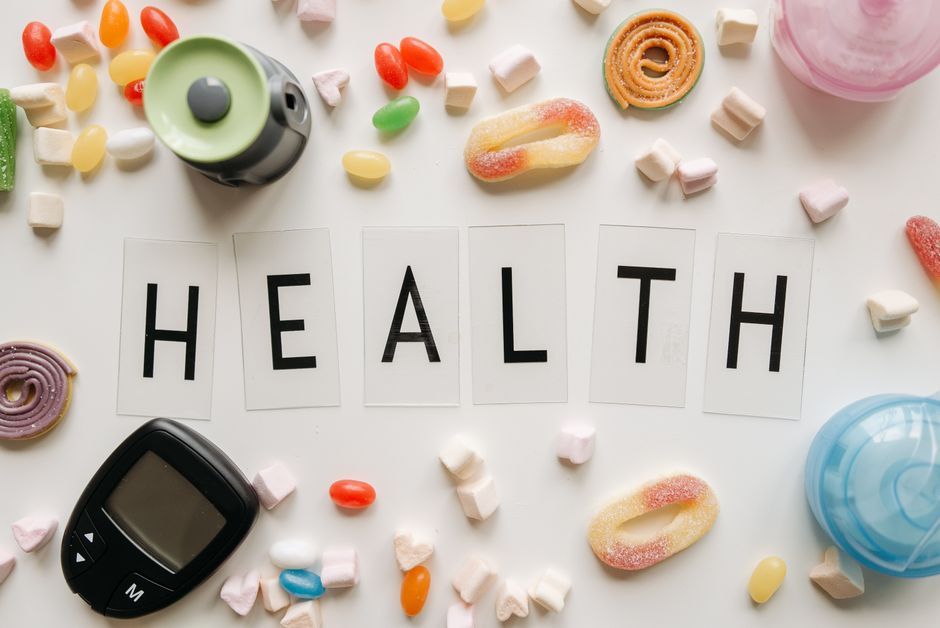
Low blood sugar feels awful and it can be dangerous. The fastest fix is 15 grams of quick-acting carbohydrate. That means four glucose tablets, half a cup of fruit juice, or one tablespoon of sugar or honey. Wait 15 minutes, check your blood sugar again, and repeat if it is still low. Once it is back to normal, eat a small snack with protein or fat to keep it stable. This is the standard treatment recommended by the American Diabetes Association and it works for most people.
What Does 15 Grams of Carbohydrate Actually Look Like?
Fifteen grams is a specific amount. It is not a guess. Research from the Joslin Diabetes Center shows that people often eat too much or too little when they guess. Precision matters because overcorrecting causes high blood sugar later.
Here are exact options that provide 15 grams of fast-acting carbohydrate:
- Four glucose tablets (check the label — some brands are 4 grams each)
- Half a cup (4 ounces) of orange juice or regular soda
- One tablespoon of sugar, honey, or maple syrup
- One small box of raisins (about 1.5 ounces)
- Six or seven hard candies like Life Savers
- One cup of skim milk
Do not use chocolate, cookies, ice cream, or any food with fat. Fat slows down sugar absorption. A candy bar will not raise your blood sugar fast enough when it is truly low.
How Do You Know If Your Blood Sugar Is Actually Low?
Many people think they feel low when their blood sugar is normal. The medical definition of low blood sugar, called hypoglycemia, is a blood glucose level below 70 mg/dL. The American Diabetes Association sets this threshold. Anything above 70 is not considered low, even if you feel shaky or hungry.
Symptoms of true low blood sugar include sweating, shaking, confusion, fast heartbeat, dizziness, and blurred vision. Some people feel irritable or anxious. In severe cases, a person can pass out or have a seizure.
If you have symptoms but cannot test your blood sugar, treat it as if it is low. It is safer to eat 15 grams of sugar when you do not need it than to ignore real hypoglycemia. This is the standard advice from the National Institutes of Health.
What If You Have Diabetes and Take Insulin?
People with type 1 diabetes and some with type 2 diabetes who take insulin are at the highest risk for low blood sugar. The CDC reports that someone with type 1 diabetes experiences mild hypoglycemia an average of two times per week. Severe episodes that require help from another person happen once per year on average.
If you take insulin, you should carry glucose tablets or a quick sugar source with you at all times. Do not rely on finding food when symptoms start. The window for treatment is narrow. Once confusion sets in, you may not be able to treat yourself.
Some newer insulins like degludec (Tresiba) have a lower risk of causing hypoglycemia compared to older insulins. But any insulin user needs a plan. Talk to your doctor about your specific insulin type and your risk pattern.





How Do You Treat Low Blood Sugar When Someone Cannot Swallow?
This is the most dangerous situation. A person who is unconscious, having a seizure, or too confused to swallow should never be given food or drink. They can choke or inhale liquid into their lungs.
The standard treatment in this situation is glucagon. Glucagon is a hormone that tells the liver to release stored glucose into the blood. It comes as an injection or a nasal powder called Baqsimi. The American Diabetes Association recommends that everyone who takes insulin has a glucagon kit available and that family members know how to use it.
Do not call 911 and wait. Give glucagon first, then call for help if needed. Glucagon works within 5 to 15 minutes. If the person does not wake up after one dose, emergency medical care is needed.
What Causes Low Blood Sugar in People Without Diabetes?
Low blood sugar in people without diabetes is rare. When it happens, it is usually caused by a specific medical condition or medication. Reactive hypoglycemia is one example. Some people experience low blood sugar two to four hours after eating a high-carbohydrate meal. Their body releases too much insulin in response to the meal, which drives blood sugar down.
Other causes include certain medications like beta-blockers, heavy alcohol use without eating, liver or kidney disease, and rare tumors called insulinomas. The National Institute of Diabetes and Digestive and Kidney Diseases states that in many cases of reactive hypoglycemia, no clear cause is found.
If you do not have diabetes and your blood sugar drops below 70 mg/dL, you should see a doctor. This is not something to manage on your own. Your doctor will likely run blood tests and may do a mixed-meal tolerance test to see how your body handles sugar.
What Should You Eat After Your Blood Sugar Is Back to Normal?
Once your blood sugar is above 70 mg/dL and symptoms have resolved, eat a small snack with protein or fat. This prevents your blood sugar from dropping again. Without this step, the rapid sugar you ate will wear off and you could be low again within an hour.
Good options include a handful of nuts, a hard-boiled egg, cheese and crackers, or half a peanut butter sandwich. Do not eat a full meal unless it is already mealtime. Eating too much can cause high blood sugar.
If you took insulin earlier, your next insulin dose may need to be adjusted. Talk to your doctor about a pattern. If you have low blood sugar at the same time of day for several days in a row, your medication or meal timing needs a change.
Here is a comparison of common treatments for mild to moderate low blood sugar:
| Treatment | Amount for 15g Carbs | Time to Raise Sugar | Notes |
|---|---|---|---|
| Glucose tablets | 4 tablets | 10-15 minutes | Most reliable. No fat or fiber. |
| Fruit juice | 1/2 cup (4 oz) | 10-15 minutes | Works well. Easy to overdrink. |
| Regular soda | 1/2 cup (4 oz) | 10-15 minutes | Same as juice. Diet soda does not work. |
| Sugar or honey | 1 tablespoon | 10-15 minutes | Simple. Measure it exactly. |
| Milk | 1 cup (8 oz) | 15-20 minutes | Slower due to protein and fat. |
| Chocolate bar | Not recommended | Unpredictable | Fat delays sugar absorption. |
Common Misconceptions About Treating Low Blood Sugar
One widespread myth is that you should eat a high-sugar snack like a candy bar when your sugar is low. This is wrong. Most candy bars contain fat, which slows digestion. The sugar in chocolate takes much longer to reach your bloodstream than glucose tablets or juice.
Another myth is that diet soda or sugar-free candy can help. These contain no sugar. They will do nothing for low blood sugar. Check labels carefully. Many products marketed as “sugar-free” still contain carbohydrates, but the amount is often too small to matter.
Some people believe that fruit is always a good choice. Fruit contains fructose, which must be processed by the liver before it can raise blood sugar. Whole fruit is too slow for treating hypoglycemia. Only fruit juice or dried fruit like raisins work fast enough.
A final misconception is that you should wait until symptoms are severe before treating. Do not wait. The earlier you treat, the less likely you are to become confused or lose consciousness. Treat as soon as you suspect low blood sugar.
Frequently Asked Questions
How long does it take for low blood sugar to come up?
It usually takes 10 to 15 minutes for blood sugar to rise after eating 15 grams of fast-acting carbohydrate. Check your blood sugar again after 15 minutes and repeat treatment if it is still below 70 mg/dL.
Can you have low blood sugar without having diabetes?
Yes, but it is uncommon. Possible causes include reactive hypoglycemia, certain medications, heavy alcohol use, or rare medical conditions like insulinomas. See a doctor if you have symptoms and do not have diabetes.
What is the fastest way to raise blood sugar?
Glucose tablets are the fastest because they are pure sugar with no fat or fiber. Chew them completely before swallowing. Fruit juice and regular soda are also fast options.
Should you eat protein when your sugar is low?
No. Protein does not raise blood sugar quickly enough to treat hypoglycemia. Eat fast-acting carbohydrate first, then protein or fat afterward to keep your sugar stable.
