
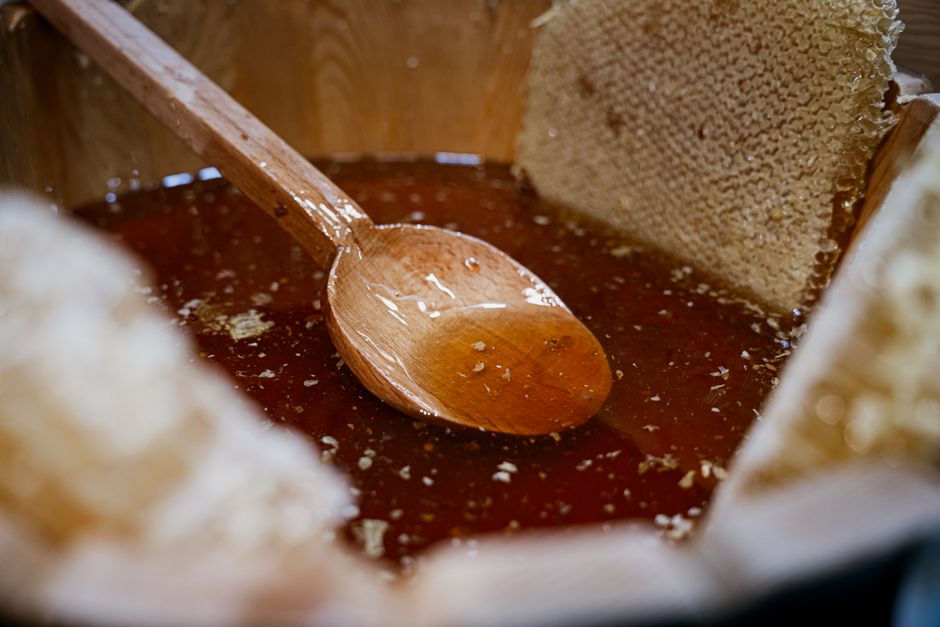
Brown sugar is simply white sugar that still contains some of the molasses from the sugar cane plant, or has molasses added back to it. The molasses gives the sugar its tan to deep brown color, its moist texture, and its richer, more complex flavor. The amount of molasses present determines whether the sugar is labeled light or dark brown sugar.
How Is Brown Sugar Made?
All sugar starts the same way. Sugar cane is harvested and crushed to extract its juice. That juice is boiled down until sugar crystals form. The dark, sticky syrup left over after the crystals are removed is molasses.
White sugar goes through a refining process that removes all of the molasses. Brown sugar is made by taking those refined white crystals and mixing a specific amount of molasses back into them. This is the most common method in commercial production today.
Some brown sugar, often called “unrefined” or “raw” sugar, is made differently. In this case, the sugar crystals are not fully refined, so they retain some natural molasses. These products like turbinado or muscovado have a coarser texture and a more pronounced molasses flavor than standard brown sugar.
What Is the Difference Between Light and Dark Brown Sugar?
The only real difference between light and dark brown sugar is the amount of molasses. Light brown sugar contains about 3.5% molasses by weight. Dark brown sugar contains about 6.5% molasses.
Light brown sugar has a mild, delicate caramel flavor. It is the standard choice for most baking recipes like cookies, cakes, and muffins. Dark brown sugar has a deeper, more intense molasses taste. It works well in recipes where you want a stronger flavor, such as gingerbread, baked beans, barbecue sauces, and spice rubs.
You can substitute one for the other in most recipes. The texture and moisture content will be similar. The main difference will be in the final flavor and color of the finished dish.
Is Brown Sugar Healthier Than White Sugar?
Brown sugar is not meaningfully healthier than white sugar. Both are about 95% sucrose by dry weight. The molasses in brown sugar adds trace amounts of minerals like calcium, potassium, iron, and magnesium, but the quantities are too small to have any real nutritional impact.
A teaspoon of brown sugar contains roughly 17 calories. A teaspoon of white sugar contains roughly 16 calories. That difference is negligible.
Your body digests brown sugar and white sugar almost identically. Both will raise blood sugar levels. For anyone managing diabetes, prediabetes, or weight, brown sugar should be treated the same as white sugar.





How Should Brown Sugar Be Stored?
Brown sugar goes hard when it loses moisture. The molasses dries out, and the crystals clump together into a solid brick. This is a common kitchen problem, but it is easy to prevent.
Store brown sugar in an airtight container at room temperature. A glass jar with a tight lid or a resealable plastic bag works well. Properly stored, brown sugar can last for months without hardening.
If your brown sugar has already hardened, there are simple ways to soften it. Place a slice of fresh bread or a damp paper towel in the container and seal it overnight. The sugar will absorb the moisture and soften. You can also microwave it in 20-second bursts, but be careful — it can melt quickly.
Can You Make Brown Sugar at Home?
Yes. Since brown sugar is just white sugar with molasses mixed in, you can make it yourself in about five minutes. This is useful if you run out mid-recipe or if you want to control the flavor intensity.
For light brown sugar, mix 1 cup of white granulated sugar with 1 tablespoon of molasses. For dark brown sugar, use 2 tablespoons of molasses per cup of sugar. Stir or rub the mixture together until the molasses is evenly distributed. The result will look and behave like commercial brown sugar.
Molasses is available in most grocery stores in the baking aisle. Look for “unsulphured” molasses, which has a cleaner, sweeter taste. Blackstrap molasses will work, but it has a much stronger, more bitter flavor that may not be suitable for all recipes.
What Is the Difference Between Brown Sugar and Raw Sugar?
Raw sugar and brown sugar are often confused, but they are different products. Raw sugar, such as turbinado or demerara, is made from the first crystallization of sugar cane juice. The crystals are washed lightly to remove surface impurities, but they retain some natural molasses.
Raw sugar has larger crystals and a drier texture than brown sugar. It does not clump as easily. It also has a milder flavor because the molasses content is lower, usually around 1-2%.
In baking, raw sugar does not dissolve as evenly as brown sugar. It is better used as a topping for muffins, cookies, and oatmeal, or in coffee and tea where its crunch and subtle flavor can be appreciated.
Does Brown Sugar Go Bad?
Brown sugar does not spoil in the way that dairy or meat spoils. It has a very low moisture content, which makes it inhospitable to bacteria and mold. If kept dry and sealed, it can last indefinitely.
The main issue is quality, not safety. Over time, the molasses flavor can fade, and the sugar will harden as moisture evaporates. Even hardened brown sugar is perfectly safe to eat. It just needs to be softened before you can measure or use it.
If you notice an off smell or visible mold, throw it out. This is rare but can happen if moisture gets into the container.
Why Does Brown Sugar Taste Different From White Sugar?
The molasses is responsible for the flavor difference. Molasses has a complex taste profile with notes of caramel, toffee, and a slight bitterness. These compounds interact with the sweetness of the sugar to create a deeper, more rounded flavor.
White sugar is pure sucrose. It provides one-dimensional sweetness. Brown sugar provides sweetness plus flavor complexity. This is why brown sugar is often used in recipes where you want a richer taste, like chocolate chip cookies or glazed ham.
The acidity of molasses also has a subtle effect on baking. Molasses is slightly acidic, which can react with baking soda to produce more carbon dioxide. This can lead to slightly more leavening in some recipes, though the effect is minor.
Is Brown Sugar the Same in Every Country?
No. The term “brown sugar” means different things in different places. In the United States, it almost always means refined white sugar with molasses added back. In the United Kingdom, “brown sugar” often refers to unrefined or partially refined sugar that retains its natural molasses.
In some countries, brown sugar is sold in a moist, soft block rather than as loose granules. This is common in parts of Asia and Latin America. These products may have a higher molasses content and a more intense flavor than American brown sugar.
If you are following a recipe from another country, pay attention to the context. A recipe calling for “soft brown sugar” in the UK is roughly equivalent to American light brown sugar. A recipe calling for “muscovado” is much stronger and darker.
Frequently Asked Questions
Is brown sugar just white sugar with molasses?
Yes, in most commercial production. Refined white sugar crystals are mixed with molasses to create brown sugar.
Can I substitute white sugar for brown sugar in baking?
You can, but the texture and flavor will change. Brown sugar adds moisture and a deeper flavor that white sugar cannot replicate.
Does brown sugar have more calories than white sugar?
No. The calorie difference is negligible, about 1 calorie per teaspoon. Both are essentially pure sucrose.
Why does my brown sugar turn hard?
It loses moisture to the air. The molasses dries out and the crystals stick together. Storing it in an airtight container prevents this.
