
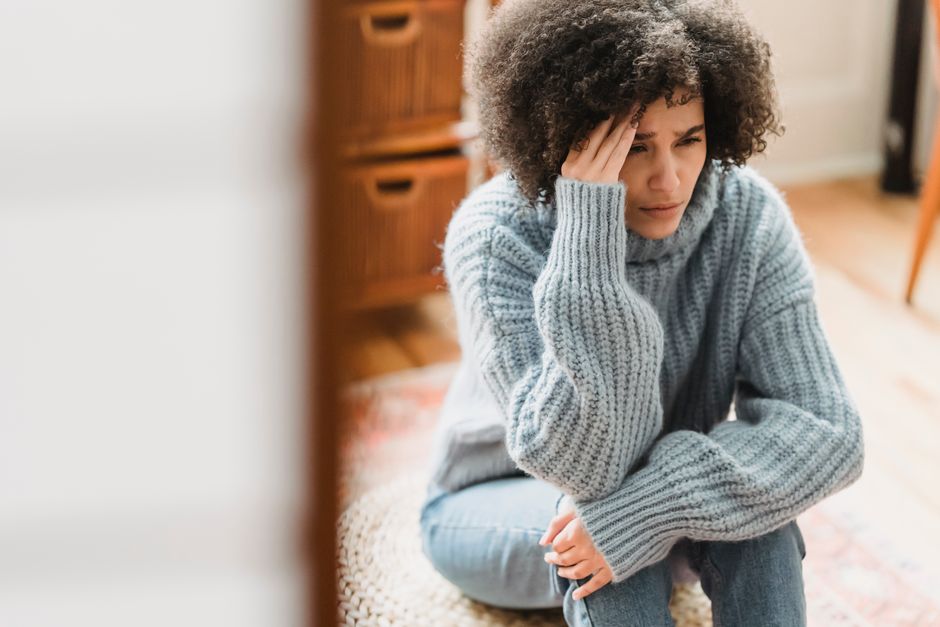
Anxiety returning after a period of feeling fine is common, and it does not mean your previous progress was a failure. When it comes back, the first step is to recognize it as a signal, not a setback, and then use the coping strategies you already know while seeking professional support if the symptoms interfere with your daily life.
Why Does Anxiety Come Back After Being Fine?
Anxiety is not a linear condition. It can be quiet for months or years and then reappear, often triggered by a specific event or a buildup of smaller stressors. Major life changes—both positive and negative—are common triggers. A promotion, a move, a new baby, or a loss can all activate the body’s stress response.
Sometimes there is no clear trigger. This can be frustrating, but it is also normal. The brain’s threat-detection system can become sensitive again after a period of calm. This is not a character flaw or a sign that you are “broken.” It is a known pattern in how anxiety disorders operate.
Physical health also plays a role. Poor sleep, hormonal changes, illness, or even starting a new medication can lower your tolerance for stress. When your body is already strained, smaller worries can feel overwhelming.
What To Do When Your Anxiety Comes Back Again
Start by doing the things that are known to calm the nervous system in the moment. Deep breathing is one of the most effective immediate tools. Slow, diaphragmatic breathing—inhaling for four counts and exhaling for six—activates the parasympathetic nervous system, which counters the fight-or-flight response.
Grounding techniques can also help. The 5-4-3-2-1 method is widely used: name five things you can see, four you can touch, three you can hear, two you can smell, and one you can taste. This pulls your attention away from anxious thoughts and back to the present moment.
Movement matters. A brisk walk, stretching, or any physical activity helps burn off the adrenaline that fuels anxiety. Even ten minutes can shift your state.
If these skills feel weak or forgotten, that is okay. Anxiety can make it harder to access what you learned before. Treat this as a retraining period, not a restart from zero.
When To Reach Out For Professional Support
You do not need to manage this alone. If your anxiety lasts more than two weeks and affects your sleep, work, or relationships, consider talking to a professional. A primary care doctor is a good first step. They can rule out medical causes and discuss treatment options.
Therapy is highly effective. Cognitive behavioral therapy (CBT) has strong evidence for treating anxiety disorders. It helps you identify and change thought patterns that fuel anxiety. Another option is acceptance and commitment therapy (ACT), which focuses on accepting difficult feelings rather than fighting them.
Medication is also an option. Selective serotonin reuptake inhibitors (SSRIs) are commonly prescribed for anxiety. They are not fast-acting—they typically take several weeks to build effect. Some clinicians prescribe short-term medications for immediate relief while longer-term treatments take effect.
If you already have a therapist or doctor, contact them. You do not need a new crisis to reach out. A brief check-in can help you adjust your plan before things get worse.



Can Lifestyle Changes Prevent Anxiety From Returning?
No single lifestyle change can guarantee anxiety will never return. But consistent habits can raise your baseline resilience, making it harder for anxiety to take hold.
Sleep is foundational. Chronic sleep deprivation increases amygdala reactivity, which makes you more emotionally reactive. Aim for consistent sleep and wake times. If anxiety keeps you awake at night, that is a specific problem worth addressing with your doctor.
Regular exercise has a protective effect. Research consistently shows that aerobic exercise reduces anxiety symptoms. It does not need to be intense—moderate activity most days of the week is enough.
Caffeine and alcohol deserve attention. Caffeine can mimic or worsen anxiety symptoms, especially in sensitive individuals. Alcohol may relax you temporarily but often causes rebound anxiety as it leaves your system. Pay attention to how these substances affect you personally.
Routine matters. Structure reduces the number of decisions your brain has to make, which lowers cognitive load. Meals, movement, and rest at regular times can create a sense of safety.
What If The Anxiety Feels Different This Time?
Anxiety can change its presentation. You might have had panic attacks before, but now you feel a constant low-grade dread. Or you might have worried about specific things previously, but now the worry feels diffuse and hard to name.
This shift can be alarming, but it is not unusual. Anxiety adapts. The underlying mechanism—a hypersensitive stress response—remains the same, even when the surface symptoms change.
However, if the symptoms feel truly unfamiliar, check in with a doctor. Chest pain, shortness of breath, and dizziness can be anxiety symptoms, but they can also be signs of a heart or lung condition. It is always appropriate to get new physical symptoms evaluated.
Keep a simple log of your symptoms for a week before seeing a professional. Note when they happen, how long they last, and what you were doing. This information helps your clinician give more precise advice.
How To Talk To Family And Friends About The Return
Explaining that your anxiety is back can feel vulnerable. You might worry that people will think you are not trying hard enough. This is a common fear, but it is rarely what loved ones actually think.
Be direct and simple. You can say, “My anxiety has been worse lately. I am handling it, but I might need more patience from you right now.” This sets expectations without asking for sympathy.
Tell people what helps and what does not. Some people want distraction. Others want to talk it through. If your partner tends to offer solutions when you need listening, say so clearly. Most people want to help but do not know how.
If you are not comfortable telling everyone, you do not have to. Choose one or two trusted people. Having at least one person who knows what you are going through reduces the isolation that often accompanies an anxiety relapse.
What Not To Do When Anxiety Returns
Do not stop doing things because they feel uncomfortable. Avoidance reinforces anxiety. If you start avoiding driving, social events, or certain tasks because they make you anxious, the anxiety will likely grow stronger. This is the core principle behind exposure therapy, and it applies to everyday life as well.
Do not wait for the “perfect time” to act. There is no perfect time. Start with the smallest step you can manage, even if it feels inadequate.
Do not compare your current state to your best period. That comparison is unfair and unhelpful. The goal is not to feel as good as you did at your peak. The goal is to move in the right direction today.
Do not self-medicate with alcohol or unprescribed substances. These may provide temporary relief but consistently worsen anxiety over time.
Frequently Asked Questions
How long does an anxiety relapse typically last?
There is no fixed timeline, and duration varies widely between individuals. With consistent coping strategies and professional support, many people notice improvement within several weeks to a few months.
Should I restart my old medication without seeing a doctor?
No, you should not restart medication on your own without consulting a doctor. Dosage needs can change, and a clinician needs to confirm the medication is still appropriate for your current situation.
Can anxiety relapse be a sign my treatment is not working?
Not necessarily. Anxiety disorders often have a relapsing course, and even effective treatment does not guarantee permanent symptom absence. A relapse may indicate that your current plan needs adjustment, not that it has failed.
Is it normal to feel ashamed when anxiety comes back?
Yes, many people feel shame or embarrassment when symptoms return after a good period. These feelings are common, but they are not accurate reflections of your effort or worth.
