
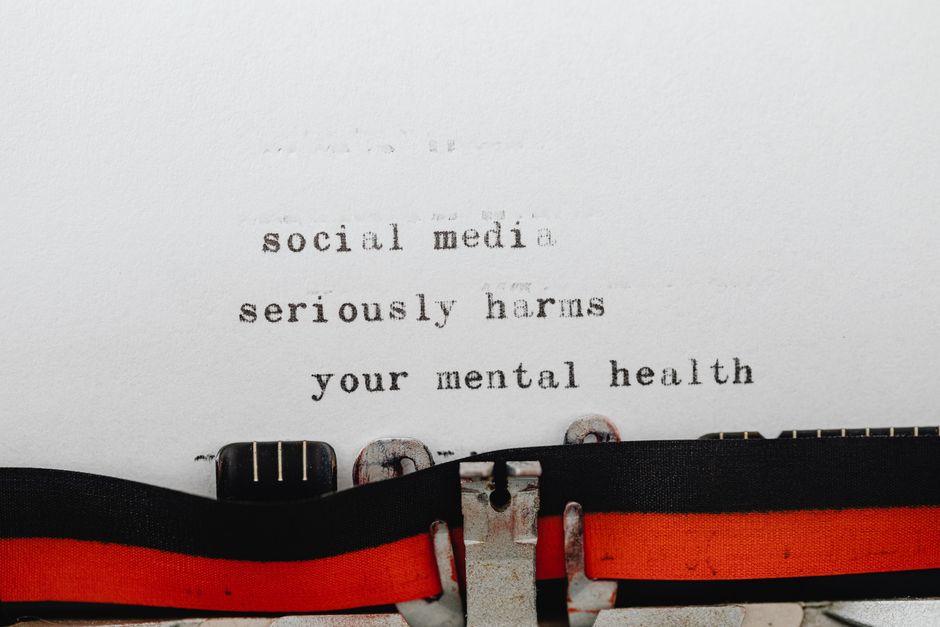
Yes, social media can cause or worsen anxiety for many people. The link is not just in your head — it is backed by a growing body of research. Studies consistently show that heavy social media use is associated with higher rates of anxiety, especially among teens and young adults. But the relationship is complex. Social media does not affect everyone the same way, and for some, it is not the cause of anxiety at all — it is a coping tool that can sometimes backfire. Understanding how this works can help you take control of your habits before they take control of you.
Does Social Media Cause Anxiety?
The short answer is yes, but with nuance. Social media does not cause anxiety in the way a virus causes a cold. Instead, it creates conditions that can trigger or amplify anxious thoughts and feelings in people who are already vulnerable.
Research consistently shows a dose-response relationship: more time on social media is linked to more anxiety symptoms. A 2019 study published in the Journal of Social and Clinical Psychology found that limiting social media to 30 minutes per day significantly reduced anxiety, depression, and loneliness in college students. That is one of the strongest pieces of evidence that the platform itself contributes to distress, not just the people using it.
However, not everyone who scrolls for hours develops anxiety. Genetics, personality, and life circumstances all play a role. Social media is better understood as an environmental trigger — like a stressful job or a difficult relationship — rather than a direct cause.
What Are the Main Ways Social Media Triggers Anxiety?
Several distinct mechanisms explain how social media can fuel anxiety. Each one works differently, and most people experience a combination of them.
Social Comparison
Humans naturally compare themselves to others. Social media supercharges this instinct by giving you access to the highlight reels of hundreds or thousands of people at once. You see vacations, promotions, perfect children, and flawless bodies — while your own feed is just your average Tuesday.
This constant upward comparison can create feelings of inadequacy. Over time, that sense of “everyone is doing better than me” becomes a persistent background hum of anxiety. Research in the journal Computers in Human Behavior found that passive scrolling — looking at others’ posts without interacting — is more strongly linked to negative mood than active use like posting or commenting.
Fear of Missing Out (FOMO)
FOMO is not just a catchy acronym. It is a real psychological phenomenon characterized by the anxiety that others are having rewarding experiences without you. Social media is engineered to trigger FOMO. Every post about a party, a trip, or a milestone is a reminder of something you are not doing.
FOMO creates a loop: you check social media to feel connected, but the more you see, the more you feel left out. That feeling drives more checking, which creates more anxiety. The cycle feeds itself.
The Validation Trap
Likes, comments, and shares act as social rewards. When you post something and it performs well, your brain releases dopamine — the same chemical involved in addiction. But the reward is unpredictable. Sometimes a post gets 200 likes; sometimes it gets 12.
This unpredictability is exactly what makes slot machines addictive. It also makes social media anxiety-inducing. Your self-worth becomes tied to metrics you cannot control. Waiting for validation — or not getting it — can feel like a personal rejection.
What Does the Research Actually Show About Social Media and Anxiety?
The evidence linking social media to anxiety is strong, but it is not simple. Multiple large studies and meta-analyses have found consistent associations. A 2016 review in JAMA Pediatrics examined 19 studies and found that social media use was associated with an increased risk of depression and anxiety in adolescents.
However, correlation is not causation. It is possible that anxious people use social media more — not the other way around. A person with social anxiety might prefer texting over face-to-face conversation. A person feeling lonely might scroll for hours to feel less alone, even if it makes things worse.
Recent research has tried to untangle this. Longitudinal studies that follow people over time suggest that social media use predicts later anxiety, not just the reverse. But the effect sizes are moderate, not massive. Social media is one factor among many — including sleep, exercise, relationships, and work stress — not the whole story.
One important clarification: the type of use matters. Active use — posting, commenting, direct messaging — tends to be less harmful than passive use. Some studies even suggest active engagement can be beneficial for maintaining social connections. The problem is not social media itself. It is how you use it.




Who Is Most at Risk for Social Media Anxiety?
Not everyone is equally vulnerable. Certain groups are more likely to experience anxiety from social media use.
- Teens and young adults: Their brains are still developing, and social identity formation is a major developmental task. Peer acceptance matters more during these years, making social rejection or comparison more painful.
- People with existing anxiety or depression: Social media is more likely to worsen symptoms in people who already struggle with mental health conditions.
- People who use social media passively: Scrolling without interacting is consistently linked to worse outcomes than active engagement.
- People with perfectionist tendencies: They are more likely to compare themselves to others and feel they fall short.
- People with irregular sleep: Late-night scrolling disrupts sleep, and poor sleep is a well-established risk factor for anxiety.
If you fall into one of these groups, it does not mean you must quit social media entirely. It means you should be more deliberate about how you use it.
How Much Social Media Is Too Much?
There is no single “safe” number of hours that works for everyone. However, research points to some general patterns.
The 2019 study mentioned earlier found that limiting use to 30 minutes per day significantly improved mental health. Other research suggests that the risk of anxiety and depression rises with each additional hour of use. Some studies show that using social media for more than two hours per day is associated with higher anxiety scores, but this is a statistical association, not a clinical cutoff.
More important than the exact number is how social media affects you personally. Ask yourself these questions:
- Do you feel anxious or restless when you cannot check your phone?
- Do you compare your life to others’ posts and feel worse afterward?
- Do you lose sleep because of scrolling?
- Does your mood change noticeably after using social media?
If you answered yes to several of these, your usage may be problematic regardless of how many hours you log. Watch for signs of anxiety that appear during or after social media use, and pay attention to whether they fade when you step away.
What Can You Do to Reduce Social Media Anxiety?
You do not need to go cold turkey to see benefits. Evidence-based strategies can help you regain control.
Set Time Limits
The evidence is clear that reducing usage reduces anxiety. Use your phone’s built-in screen time features or a third-party app to cap your daily social media use. Start with a realistic goal — perhaps 30 minutes per day — and adjust from there. The goal is not perfection; it is reducing the dose of a trigger.
Curate Your Feed
Unfollow accounts that consistently make you feel inadequate, anxious, or angry. This is not about avoiding reality. It is about reducing unnecessary triggers. Follow accounts that educate, inspire, or simply make you laugh. Research suggests that the content you see matters as much as the time you spend.
Switch from Passive to Active Use
Instead of scrolling through others’ posts, reach out to people directly. Send a message to a friend. Comment meaningfully on a post. Engage in conversations. Active use is associated with better mental health outcomes than passive consumption.
Turn Off Notifications
Notifications train your brain to expect constant updates. Each ping is a small interruption that pulls your attention away from your current activity. Turning off non-essential notifications reduces the urge to check and breaks the compulsive loop.
Create Phone-Free Zones
Keep your phone out of the bedroom. Do not use social media during meals. Designate certain times of day as screen-free. These boundaries help you build a healthier relationship with technology rather than letting it dictate your attention.
Replace the Habit
If you reach for your phone when you are bored, anxious, or uncomfortable, you need an alternative. Keep a book nearby. Go for a walk. Call a friend. The goal is to break the automatic association between discomfort and scrolling.
When Should You Seek Professional Help?
If anxiety is interfering with your daily life — affecting your work, relationships, or ability to enjoy things — it may be time to talk to a professional. Social media might be a contributing factor, but it is rarely the only one. A mental health professional can help you identify what is driving your anxiety and develop a treatment plan that addresses the root causes.
Cognitive behavioral therapy (CBT) is one of the most effective treatments for anxiety. It helps you identify unhelpful thought patterns — including those triggered by social media — and replace them with more realistic ones. If your anxiety is severe, medication may also be appropriate. Talk to your primary care doctor or a psychiatrist about your options.
You do not need to hit rock bottom to get help. If you are wondering whether your anxiety is “bad enough” for therapy, that is often a sign that support would be valuable.
Frequently Asked Questions
Can quitting social media cure my anxiety?
Quitting social media can significantly reduce anxiety for many people, but it is not a guaranteed cure. If your anxiety has other causes — like genetics, trauma, or ongoing life stress — it may persist even without social media.
Is social media anxiety a real diagnosis?
Social media anxiety is not a formal diagnosis in the DSM-5, the manual used to classify mental health conditions. However, the symptoms are real and can meet the criteria for generalized anxiety disorder or social anxiety disorder when they cause significant distress.
How long does it take to feel better after reducing social media?
Some people notice improvements in anxiety within a few days, while others take several weeks. The 2019 study that limited use to 30 minutes per day found measurable improvements after three weeks.
Are some platforms worse for anxiety than others?
Research suggests that image-based platforms like Instagram are more strongly linked to anxiety than text-based platforms. This is likely because visual content makes social comparison more direct and more frequent.
