
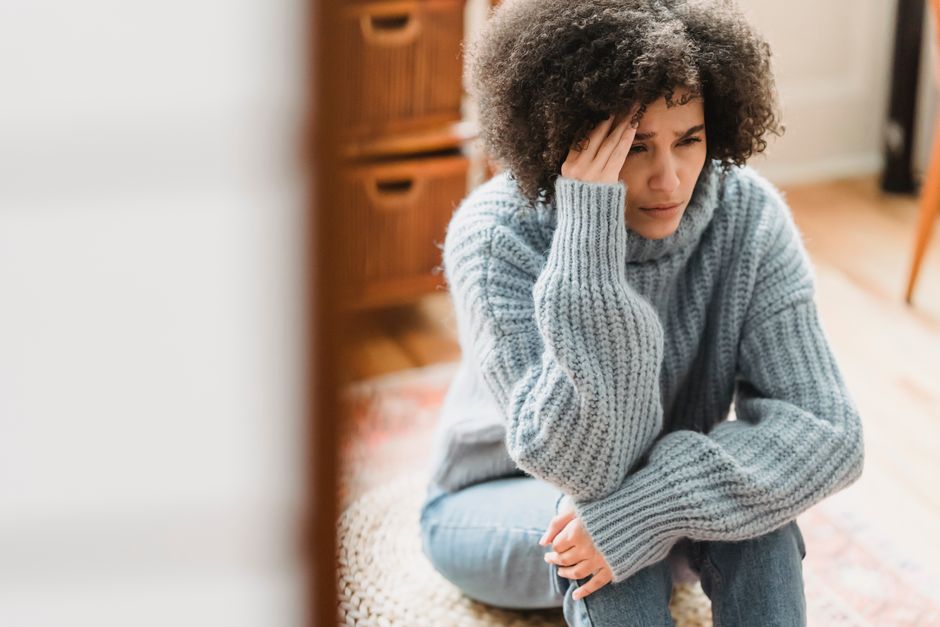
Left arm pain from anxiety is real, and it can be frightening. The pain is often a direct result of the physical tension your body holds when you are stressed. To get rid of it, you need to address both the immediate muscle tension and the underlying anxiety that is driving it.
Why Does Anxiety Cause Left Arm Pain?
Anxiety triggers your body’s fight-or-flight response. This is an automatic survival mechanism that prepares you to face a threat or run from one. Your muscles tense up, your heart rate increases, and your breathing becomes shallow.
When you are in a state of chronic anxiety, your body may stay in this state of high alert. The muscles in your neck, shoulders, and arms remain tight for long periods. This sustained tension reduces blood flow and leads to pain, aching, and a feeling of heaviness in the arm.
This pain is often described as a dull ache, a tightness, or a burning sensation. It can move around. One day it might be in the shoulder, the next in the forearm. The location can shift because the underlying problem is diffuse muscle tension, not a specific injury.
It is important to know that the left arm is a classic location for this type of pain because of its association with heart attack symptoms. When you notice pain there, your brain may immediately signal danger. This increases your anxiety, which in turn increases the muscle tension, creating a painful feedback loop.
How to Get Rid of Left Arm Pain from Anxiety
To stop the pain, you must interrupt this loop. The most direct way to do that is to physically relax the muscles that are clenched. You can do this with targeted stretching and movement.
Try this simple sequence when you feel the pain start:
- Roll your shoulders slowly backward and forward for 30 seconds.
- Gently tilt your head from side to side, bringing your ear toward your shoulder.
- Extend your arm straight out and gently pull your fingers back to stretch the forearm.
- Shake out your hands and arms as if you are trying to flick water off your fingertips.
These movements help release the physical tension. But for the pain to fully resolve, you also need to calm the nervous system that is causing the tension. Slow, deep breathing is the most effective tool for this. Breathe in through your nose for a count of four, hold for a count of four, and exhale slowly through your mouth for a count of six. Repeat this for several minutes.
This type of breathing activates the parasympathetic nervous system. That is the system responsible for rest and digestion. It sends a chemical signal to your muscles to relax, directly counteracting the tension caused by anxiety.
When Left Arm Pain Is an Emergency
You must never assume that left arm pain is always anxiety. It is a classic warning sign of a heart attack. You need to seek emergency medical care immediately if the pain is accompanied by any of the following symptoms:
- Chest pain, pressure, or tightness
- Shortness of breath
- Pain radiating to the jaw, neck, or back
- Cold sweats
- Nausea or lightheadedness
If you are unsure whether your pain is from anxiety or something more serious, do not try to figure it out on your own. Go to an emergency room or call 911. It is always better to be checked and find out it is anxiety than to ignore a heart attack.
This is especially important for women. Women often experience heart attack symptoms differently than men. Their symptoms may include unusual fatigue, indigestion, and pain in the arm or shoulder without classic chest pain.





Breathing Techniques to Stop the Pain Fast
When anxiety strikes, your breathing becomes fast and shallow. This is called hyperventilation. It changes the balance of oxygen and carbon dioxide in your blood, which can cause numbness, tingling, and muscle spasms in the hands and arms.
Controlled breathing corrects this imbalance. It is one of the fastest ways to reduce acute anxiety symptoms. The 4-4-6 breathing pattern mentioned earlier is a solid starting point. Another effective method is box breathing.
Box breathing involves four equal counts. Inhale for four seconds, hold for four seconds, exhale for four seconds, and hold for four seconds. This pattern creates a steady rhythm that forces your body to slow down. It is a technique used by military personnel and first responders to stay calm under extreme stress.
Practice these techniques when you are not anxious. If you practice them regularly, your body learns to associate the breathing pattern with relaxation. It becomes easier to trigger that relaxation response when you actually need it during a stressful moment.
Long-Term Strategies to Reduce Anxiety-Related Tension
Immediate relief is important, but the real goal is to reduce the frequency and intensity of the pain. This requires addressing your baseline anxiety levels. Regular physical activity is one of the most effective ways to do this.
Exercise burns off excess stress hormones like cortisol and adrenaline. It also releases endorphins, which are natural pain relievers. You do not need to run a marathon. A daily 30-minute walk is enough to make a significant difference in your stress levels.
Strength training and yoga are particularly helpful for this specific problem. They build strength in the muscles that support your neck and shoulders. Stronger muscles are less likely to become painful from tension. Yoga also incorporates breathwork, teaching your body to stay relaxed while under physical strain.
Sleep is another critical factor. Poor sleep increases anxiety and lowers your pain threshold. You feel pain more intensely when you are exhausted. Aim for a consistent sleep schedule and practice good sleep hygiene, such as keeping your bedroom dark, cool, and quiet.
When to See a Doctor for Anxiety Arm Pain
If you have been cleared by a doctor and know your pain is anxiety-related, you should still seek professional help if the pain is frequent or severe. Frequent anxiety-related pain is a sign that your anxiety is not well managed. A mental health professional can help you develop better coping strategies.
Cognitive behavioral therapy, or CBT, is a well-established treatment for anxiety. It helps you identify and change the thought patterns that trigger your physical symptoms. Many people find that a few sessions are enough to give them the tools they need to manage their anxiety more effectively.
Medication is another option. Some clinicians prescribe selective serotonin reuptake inhibitors (SSRIs) for chronic anxiety. These are not fast-acting. They take several weeks to build up in your system and reduce overall anxiety levels. They do not cure anxiety, but they can lower the baseline so that therapy and coping techniques are more effective.
If your anxiety is causing physical symptoms that interfere with your daily life, that is a valid reason to speak with a doctor. You do not need to suffer in silence. Effective treatments exist, and they can significantly improve your quality of life.
Frequently Asked Questions
Can anxiety cause pain in the left arm only?
Yes, anxiety can cause pain in just the left arm. Muscle tension from stress can be asymmetrical, meaning one side of the body tenses more than the other.
How long does anxiety arm pain last?
Anxiety arm pain can last anywhere from a few minutes to several hours. The duration typically depends on how long your body stays in a tense, anxious state.
Does anxiety arm pain feel like a heart attack?
Anxiety arm pain can feel similar to heart attack pain, which is why it causes so much distress. The key difference is that heart attack pain is often accompanied by chest pressure, shortness of breath, or sweating, while anxiety pain is usually linked to muscle tension and stress.
What is the fastest way to relieve anxiety arm pain?
The fastest way to relieve anxiety arm pain is to combine gentle stretching with slow, deep breathing. Stretching releases the physical muscle tension, while deep breathing calms the nervous system that caused it.
