
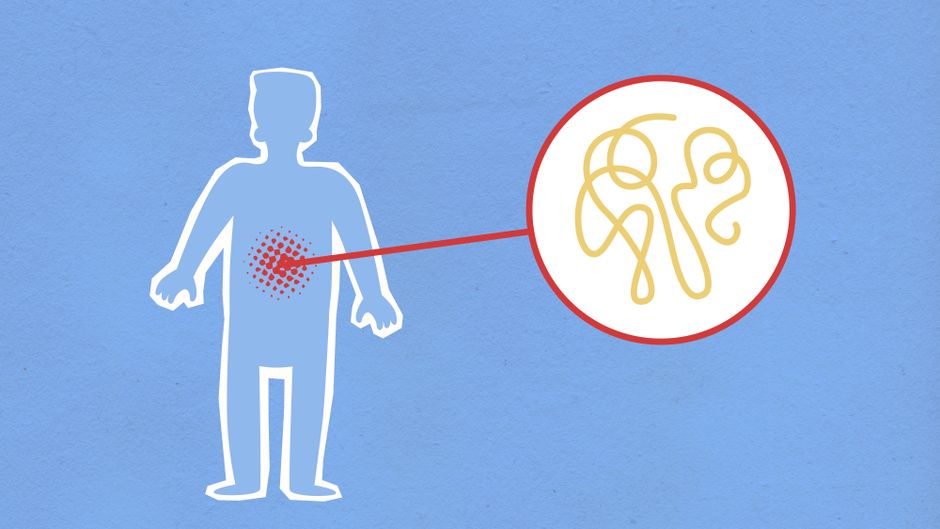
Viral gastroenteritis, commonly called the stomach flu or stomach virus, is an infection of the intestines. It is not actually the flu, which is a respiratory illness. You can tell you have a stomach virus when you experience the sudden onset of watery diarrhea, vomiting, and stomach cramps, often accompanied by nausea and a mild fever. The symptoms typically appear 12 to 48 hours after exposure to the virus and usually resolve on their own within 1 to 3 days.
What Are the Most Common Symptoms of a Stomach Virus?
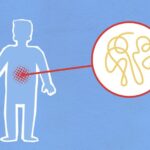
Stomach viruses attack the lining of your intestines. This causes inflammation that leads to the hallmark symptoms. The most common signs include watery diarrhea, vomiting, and stomach cramps.
Nausea often comes first. Many people also experience a low-grade fever, usually under 101°F (38.3°C). You may feel body aches and a headache. These symptoms can range from mild to severe, depending on the specific virus and your overall health.
In most cases, symptoms start suddenly. You can feel fine one moment and be sick the next. The acute phase of vomiting and diarrhea typically lasts 24 to 48 hours. Full recovery, including getting your energy back, can take a few days longer.
How Can You Tell If You Have a Stomach Virus vs. Food Poisoning?
This is one of the most common questions. Both conditions cause similar symptoms, including vomiting and diarrhea. The main difference is the timing and the source of the illness.
Food poisoning happens when you eat food contaminated with bacteria, toxins, or parasites. Symptoms often appear very quickly, sometimes within a few hours of eating the contaminated food. They are frequently intense but short-lived. Stomach viruses have an incubation period of 12 to 48 hours, so you get sick a day or two after exposure to an infected person.
Another clue is whether other people are sick. If you ate the same meal as someone else and you both became ill within hours, food poisoning is more likely. If people in your household get sick one by one over several days, a virus is the more probable cause. Some research suggests that food poisoning tends to cause more vomiting, while a stomach virus causes more diarrhea, but this is not a reliable rule.
Food poisoning is not always caused by bacteria. Viruses like norovirus and hepatitis A can also be transmitted through contaminated food. The distinction is about how the germ got into your body, not the specific germ itself.
When Should You See a Doctor for Stomach Virus Symptoms?
Most stomach viruses resolve without medical treatment. However, you should see a doctor if you cannot keep any fluids down for more than 24 hours. This puts you at risk for dehydration.
Seek medical care immediately if you experience any of the following:
- Blood in your vomit or stool
- Vomiting that lasts more than 48 hours
- Signs of severe dehydration, such as dizziness when standing, dark urine, or urinating very little
- A fever higher than 102°F (38.9°C)
- Severe abdominal pain that is not relieved by passing gas or having a bowel movement
- Confusion or lethargy
These symptoms can indicate a more serious condition than a routine stomach virus. They may point to a bacterial infection, appendicitis, or another abdominal emergency. Do not wait to see if these symptoms improve on their own.

How Is Dehydration from a Stomach Virus Treated?
Dehydration is the main danger of a stomach virus. Your body loses fluids and electrolytes through vomiting and diarrhea. Replacing those fluids is the most important part of treatment.
For most adults, sipping small amounts of clear fluids frequently is enough. Water works, but oral rehydration solutions are better because they replace the salts and sugars your body lost. These solutions, like Pedialyte or oral rehydration salts, follow a specific formula for optimal absorption. Sports drinks are not ideal because their sugar content can sometimes worsen diarrhea.
If you cannot keep fluids down, try taking very small sips every 5 to 10 minutes. Sucking on ice chips is another option. Once you can tolerate fluids, gradually introduce bland, easy-to-digest foods like crackers, toast, rice, and bananas.
Severe dehydration requires intravenous fluids in a medical setting. This is more common in young children, older adults, and people with weakened immune systems. If you are dizzy, confused, or unable to urinate for more than 8 hours, go to urgent care or the emergency room.
How Long Does a Stomach Virus Last?
The duration depends on the specific virus causing the infection. Norovirus, which is the most common cause of acute gastroenteritis in the United States, typically lasts 1 to 3 days. Rotavirus, which mostly affects infants and young children, can last 3 to 8 days.
You are contagious while you have symptoms and for a few days after they stop. Norovirus, in particular, can be shed in your stool for up to two weeks after you feel better. This is why handwashing is so important during and after an illness.
If your symptoms last longer than a week, you should see a doctor. Prolonged diarrhea can signal a parasitic infection, a bacterial infection, or an underlying digestive condition like inflammatory bowel disease. A stomach virus that does not improve is not a stomach virus.
How Can You Prevent Spreading a Stomach Virus to Others?
Stomach viruses are highly contagious. They spread through the fecal-oral route, which means tiny particles of vomit or stool from an infected person enter another person’s mouth. This often happens through contaminated hands, surfaces, or food.
Handwashing is the single most effective prevention measure. Wash your hands with soap and water for at least 20 seconds, especially after using the bathroom, changing a diaper, and before preparing food. Hand sanitizer is not as effective against norovirus as soap and water.
Clean and disinfect contaminated surfaces with a bleach-based cleaner. Norovirus can survive on surfaces for days. Wash laundry thoroughly, and avoid preparing food for others while you are sick and for at least 2 days after your symptoms stop.
There is no vaccine for norovirus. Rotavirus, however, is preventable with a vaccine given to infants. The rotavirus vaccine has dramatically reduced hospitalizations for severe diarrhea in young children.
Frequently Asked Questions
Can you have a stomach virus without vomiting?
Yes, diarrhea can be the only symptom, especially in adults. Some people experience only mild nausea and loose stools.
How do you know if you have norovirus?
Norovirus causes sudden vomiting and watery diarrhea that lasts 1 to 3 days. The rapid onset and short duration are the most distinctive features.
Is a stomach virus the same as the flu?
No, the flu is a respiratory illness that affects your lungs and airways. A stomach virus affects your digestive tract.
What should you eat after a stomach virus?
Start with bland foods like crackers, toast, rice, and bananas once you can keep fluids down. Avoid dairy, fatty foods, and spicy foods for a few days.
