
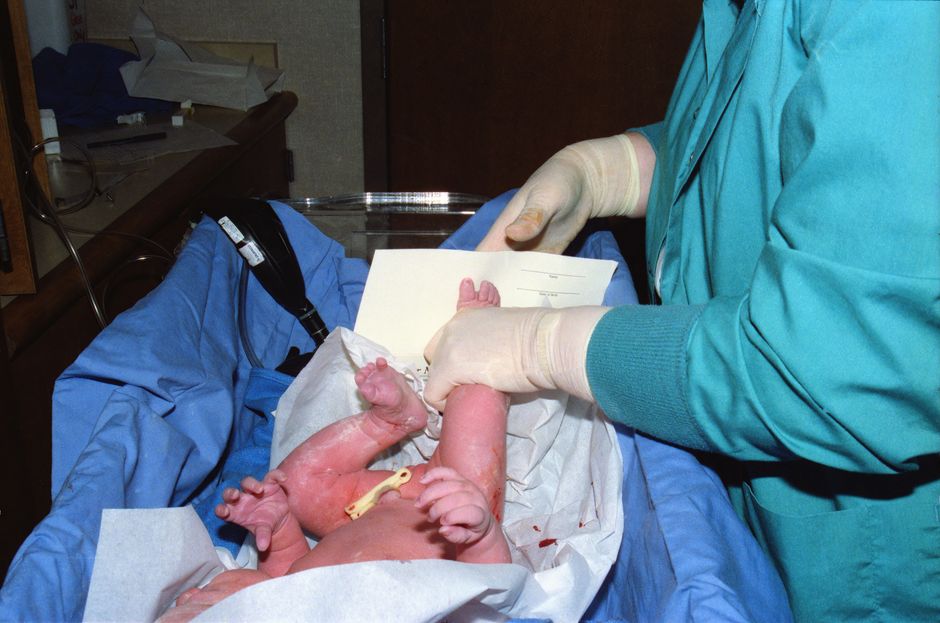
When the umbilical cord stump falls off, usually between 5 and 15 days after birth, you simply keep the area clean and dry. There is no special medicine to apply and no reason to panic. The belly button will heal on its own over the next week or two. Watch for signs of infection like redness, swelling, or discharge, and call your pediatrician if those appear.
What does a normal healing belly button look like?
A normal healing belly button looks a little raw at first. It may be moist near the base where the stump detached. This is not a wound that needs bandaging. It is a natural part of the healing process.
You may notice a small drop of dried blood on the diaper or onesie. That is common and not a concern. The area may look slightly pink for a few days. This is normal tissue forming as the belly button closes.
Some babies have a small bump of pink tissue that stays after the stump falls off. This is called an umbilical granuloma. It is harmless and usually goes away on its own. If it does not, a pediatrician can treat it easily.
How do you care for the area after the stump falls off?
Keep the belly button clean and dry. That is the entire job. Use plain water and a soft washcloth during bath time. Pat the area dry gently. Do not rub it.
Fold the top of the diaper down so it does not cover the belly button. This lets air reach the area and keeps urine away from it. Most newborn diapers have a cutout for the umbilical area. If yours does not, fold the waistband down.
Dress your baby in loose clothing. Tight waistbands can irritate the healing skin. Cotton onesies that snap at the crotch work well because they do not press on the belly button.
Continue sponge baths until the area is fully healed. Once the belly button looks dry and closed, you can submerge your baby in a tub. If you are unsure whether it is healed, wait another day or two.
What should you avoid after the stump falls off?
Do not use rubbing alcohol on the area. Older guidance recommended alcohol swabs after every diaper change. Current evidence shows that keeping the area dry works better than alcohol. Alcohol can irritate the skin and slow healing.
Do not use powders, lotions, or oils on the belly button. These trap moisture and create an environment where bacteria can grow. The area needs air, not products.
Do not pull or pick at the stump. It falls off when the tissue is ready. Pulling it early can cause bleeding and increase infection risk.
Do not cover the area with a bandage or belly binder. These are not recommended. They trap moisture and delay healing. Some cultures use binders, but clinical evidence does not support them.




When should you call the doctor?
Infection after the stump falls off is rare but possible. Call your pediatrician if you see any of these signs:
- Redness spreading around the belly button
- Swelling or warmth in the area
- Yellow or green discharge with a bad smell
- Bleeding that does not stop with gentle pressure
- Your baby has a fever of 100.4°F (38°C) or higher
- Your baby seems lethargic or is not feeding well
A small amount of clear or slightly bloody discharge is normal in the first few days. The concern is discharge that looks like pus or smells foul. That suggests bacterial infection.
If the belly button area becomes very red and the redness is spreading, this can indicate cellulitis. This is a skin infection that needs medical treatment. Do not wait to see if it improves on its own.
What if the stump has not fallen off yet?
Most stumps fall off between 5 and 15 days after birth. Some take longer. It is not unusual for a stump to stay attached for three weeks.
Keep using the same care routine. Clean the base gently with water and keep it dry. Do not rush the process. The stump will separate when the tissue underneath is ready.
Call your pediatrician if the stump has not fallen off after three weeks. Most of the time this is simply a slow-healing stump. Rarely, it can signal an underlying issue that needs evaluation.
If you notice redness, swelling, or discharge before the stump falls off, call your doctor. Infection can happen while the stump is still attached, not just after it falls off.
Why does the stump turn dark before it falls off?
The stump turns black or dark brown before it falls off. This is normal and expected. The tissue is drying out and dying. It is not a sign of infection or gangrene.
The color change usually happens a few days before the stump separates. Some parents worry when they see this. It is actually a sign that the process is working correctly.
As the stump dries, it may look shriveled and wrinkled. This is also normal. The tissue is mummifying, which is the natural process of drying before separation. Do not try to remove it faster.
What causes an umbilical granuloma?
An umbilical granuloma is a small, moist, pink bump that can form at the base of the belly button. It happens when the skin does not completely close over the area after the stump falls off. Instead, a small amount of tissue grows outward.
This is not dangerous. It does not hurt your baby. It may leak a small amount of clear or yellow fluid that can irritate the surrounding skin.
Pediatricians treat granulomas in the office. The most common treatment is applying a small amount of silver nitrate to the bump. This causes the tissue to dry up and fall off. It is quick and usually painless for the baby.
Some granulomas resolve on their own without treatment. Your pediatrician will decide whether to treat it or watch it. Do not try to remove it at home.
Can you bathe your baby normally after the stump falls off?
Yes, but wait until the area looks fully healed. This usually takes a few days to a week after the stump falls off. The belly button should look dry and closed before you put your baby in a tub.
Until then, continue sponge baths. Clean your baby with a soft washcloth and warm water. Pay attention to skin folds where milk and spit-up can collect.
When you do start tub baths, keep them short. Use plain warm water. You do not need soap on the belly button area. Rinse well and pat the area dry.
Some pediatricians say you can tub bathe as soon as the stump falls off, even before the area looks fully closed. Others recommend waiting a few more days. When in doubt, ask your pediatrician at your next visit.
Is it normal for the belly button to bleed a little?
A few drops of blood when the stump falls off is normal. You might see it on the diaper or when you clean the area. This is from the small blood vessels that were part of the cord.
Active bleeding that continues or soaks through clothing is not normal. Apply gentle pressure with a clean cloth for a few minutes. If bleeding does not stop, call your pediatrician.
Bleeding that starts days after the stump fell off is also worth a call. This can happen if the area gets rubbed or irritated. It is usually minor, but a doctor should check it.
Keep in mind that the belly button area has blood vessels close to the surface. Even minor irritation can cause a small amount of bleeding. This is different from the heavy bleeding that would indicate a problem.
What does an infected belly button look like?
An infected belly button looks different from a normal healing one. The skin around it becomes red and swollen. The redness spreads outward instead of staying in one spot.
There may be pus or discharge that is yellow or green. The area may smell bad. Your baby might be fussy or have a fever. These are signs that bacteria have entered the area.
Infection requires medical treatment. Do not try to treat it at home with creams or ointments. Your pediatrician may prescribe an antibiotic. In rare cases, a severe infection needs hospital care.
Omphalitis is the medical term for infection of the umbilical stump area. It is rare in countries with good hygiene practices. But when it happens, it can progress quickly. Early treatment matters.
Frequently Asked Questions
How long does it take for the belly button to heal after the stump falls off?
The belly button usually looks fully healed within one to two weeks after the stump falls off. The area should be dry and closed with no discharge by that time.
Can I use alcohol to clean the belly button after the stump falls off?
No. Current guidance recommends keeping the area clean and dry without alcohol. Alcohol can irritate the skin and slow the natural healing process.
What should I do if the belly button starts bleeding after the stump falls off?
A few drops of blood are normal right after the stump falls off. If bleeding continues or soaks through clothing, apply gentle pressure with a clean cloth and call your pediatrician.
When should I worry about the umbilical area after the stump falls off?
Call your doctor if you see spreading redness, swelling, pus, foul odor, or if your baby develops a fever. These can be signs of infection that need medical treatment.
