
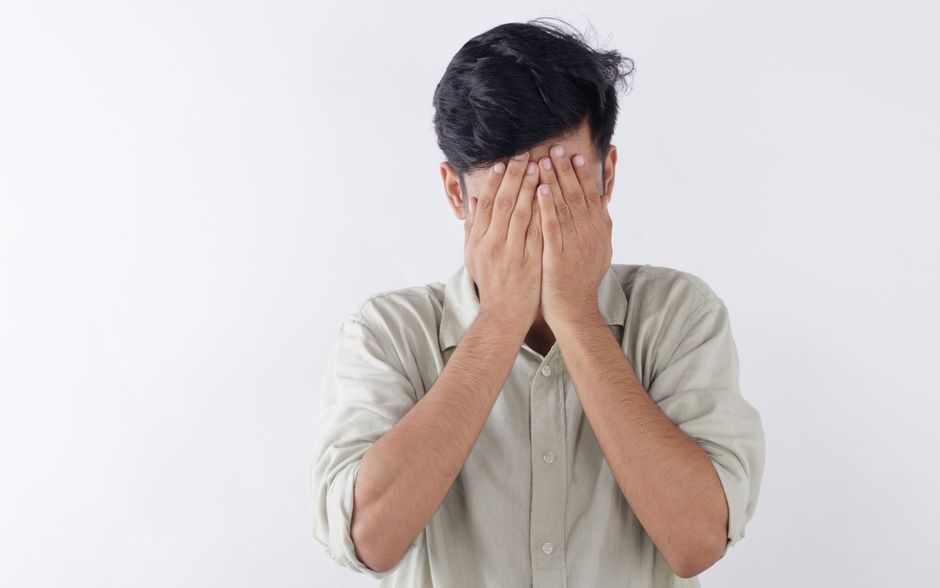
Anxiety is one of the most common mental health challenges, and it is also one of the most treatable. If you are struggling right now, the first step is to ground yourself in the present moment, and the second is to seek professional guidance. Effective treatment typically combines therapy, lifestyle changes, and sometimes medication, and most people see significant improvement with the right plan.
What Does Anxiety Actually Feel Like?
Anxiety is more than just feeling stressed. It is a persistent state of worry or fear that can interfere with daily life. Physically, it can feel like a racing heart, shallow breathing, muscle tension, or a knot in your stomach. Mentally, it can feel like a loop of “what if” thoughts that you cannot switch off.
This happens because your body’s stress response—often called the fight-or-flight system—stays switched on. Adrenaline and cortisol flood your system even when there is no physical danger. Understanding this mechanism matters because it means anxiety is not a character flaw. It is a biological response that has gone into overdrive, and it can be managed with the right tools.
What To Do If You Have Anxiety Relief And Treatment Options
The most effective treatment for anxiety is usually a combination of approaches. Cognitive Behavioral Therapy (CBT) is the most widely studied and proven form of talk therapy for anxiety. It works by helping you identify unhelpful thought patterns and replace them with more realistic ones. It also involves behavioral changes, like gradually facing situations you have been avoiding.
Medication is another well-established option. Selective serotonin reuptake inhibitors (SSRIs) are often the first-line medication prescribed for anxiety disorders. They are not fast-acting—they typically take several weeks to show full effect—but they are effective for many people. Your doctor might also discuss other options, depending on your specific symptoms and medical history.
For immediate relief during a moment of high anxiety, breathing exercises are backed by solid evidence. Slow, deep breathing—specifically exhaling longer than you inhale—activates the parasympathetic nervous system. This is the “rest and digest” system, and it directly counteracts the fight-or-flight response. Try inhaling for four counts and exhaling for six counts. Repeat for a few minutes.
When Should You See a Doctor or Therapist?
If anxiety is affecting your sleep, your work, or your relationships, it is worth seeking professional help. You do not need to wait for a crisis. Many people benefit from therapy even when their anxiety feels “manageable” most of the time.
Primary care doctors are a good starting point. They can rule out medical conditions that can mimic anxiety, such as thyroid issues or heart rhythm problems. They can also prescribe medication or refer you to a mental health specialist. A psychiatrist can provide both therapy and medication management. A psychologist or licensed therapist can provide therapy without prescribing medication.
There is no single “right” time to start treatment, but earlier is generally better. Chronic anxiety tends to reinforce itself over time. The longer you avoid certain situations, the more your brain learns to fear them. Treatment helps break that cycle before it becomes deeply ingrained.




Lifestyle Changes That Actually Help
Regular exercise is one of the most consistent, evidence-backed ways to reduce anxiety. Aerobic exercise, like walking, running, or swimming, releases endorphins and helps regulate stress hormones. It does not need to be intense—even a 30-minute walk most days can make a measurable difference. The key is consistency rather than intensity.
Sleep and anxiety have a two-way relationship. Poor sleep increases anxiety, and anxiety makes it harder to sleep. Prioritizing a consistent sleep schedule is one of the most practical steps you can take. That means going to bed and waking up at roughly the same time every day, even on weekends.
Caffeine is worth reviewing. Caffeine is a stimulant, and it can trigger or worsen anxiety symptoms in sensitive people. Some studies suggest that people with anxiety disorders may be more sensitive to caffeine’s effects. If you notice your anxiety spikes after coffee or energy drinks, reducing your intake is a reasonable experiment. The same applies to alcohol—it can temporarily numb anxiety but often makes it worse the next day.
What About Natural Remedies and Supplements?
This is an area where marketing often outpaces the evidence. Many supplements are sold with claims that they “calm” or “balance” anxiety, but the research is mixed at best. Some studies on herbal remedies like valerian root or passionflower show modest effects, but the quality of the evidence is inconsistent. No large, high-quality trials have confirmed that any supplement works as well as therapy or medication.
One exception is magnesium. Some research suggests that magnesium deficiency may contribute to anxiety, and supplementation appears safe for most people. However, this is not the same as proving that magnesium treats anxiety. If you are considering a supplement, talk to your doctor first. Some supplements interact with medications, and the FDA does not regulate them with the same rigor as prescription drugs.
No clinical guidelines currently exist for using supplements as a primary treatment for anxiety. The honest position is that supplements may play a supporting role, but they are not a replacement for established treatments.
How Long Does Treatment Take to Work?
The timeline depends on the treatment. Therapy often produces noticeable improvements within 8 to 12 sessions, though some people feel better sooner. Medication like SSRIs usually takes 4 to 6 weeks to show full benefits. Some people need to try more than one medication before finding the right fit—this is normal and does not mean treatment is failing.
Relapse is possible, especially if treatment stops too early. Many clinicians recommend continuing therapy for a period after symptoms improve to consolidate gains. Medication is often continued for 6 to 12 months after symptoms resolve, then tapered under medical supervision. Stopping medication abruptly can cause withdrawal-like symptoms, so always work with your doctor.
It also helps to set realistic expectations. Treatment does not usually eliminate anxiety entirely. The goal is to reduce it to a level where it no longer controls your decisions. You may still feel nervous before a big presentation or a difficult conversation—that is normal. The difference is that you will have tools to manage it rather than feeling overwhelmed by it.
What If Therapy and Medication Are Not Enough?
For a small percentage of people, standard treatments do not provide adequate relief. This is called treatment-resistant anxiety. It is not a failure on your part—it is a sign that a more specialized approach is needed.
Options in this category include transcranial magnetic stimulation (TMS), which uses magnetic fields to stimulate nerve cells in the brain. It is FDA-approved for depression and is increasingly studied for anxiety. Ketamine therapy is another emerging option, with some studies showing rapid relief for treatment-resistant cases. However, the long-term evidence is still limited, and these treatments are not first-line options.
If you find yourself in this situation, seek a specialist. A psychiatrist who focuses on anxiety disorders will have more experience with complex cases. They can also help you explore combinations of treatments that a general practitioner might not consider.
Frequently Asked Questions
What is the fastest way to calm anxiety in the moment?
Slow breathing with a longer exhale than inhale is the fastest evidence-backed method. Inhale for four counts, then exhale for six counts, and repeat for several minutes.
Can anxiety go away without treatment?
Some people experience natural improvement, but chronic anxiety usually persists or worsens without intervention. Treatment significantly increases the chances of lasting improvement.
Is therapy or medication better for anxiety?
Therapy and medication are both effective, and combining them often works better than either alone. Your doctor can help you decide which approach fits your situation best.
Does exercise really help with anxiety?
Yes. Regular aerobic exercise is one of the most consistent lifestyle interventions for reducing anxiety. Even moderate activity most days of the week can make a meaningful difference.
