
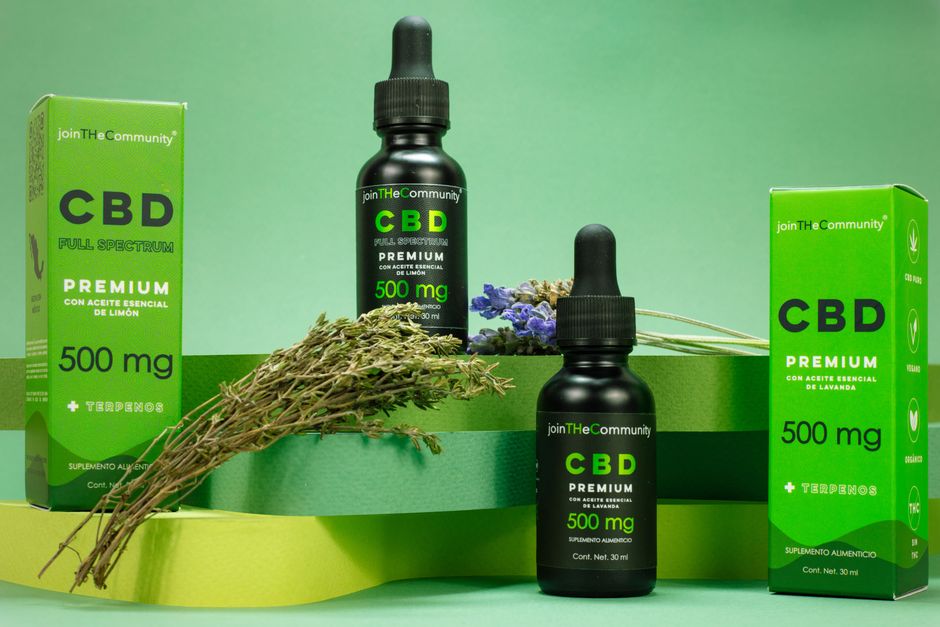
If you have ever felt calmer after smelling lavender or pine, you have already met a terpene. These are the aromatic compounds that give plants their scent, and a few of them are being studied for how they might affect anxiety. The ones with the most research behind them include linalool (lavender), beta-caryophyllene (black pepper and cloves), limonene (citrus peel), myrcene (hops and lemongrass), and pinene (pine needles).
That said, “studied” is not the same as “proven.” Some of these compounds have real human trial data behind them. Others have mostly lab or animal research. And the way you use a terpene matters enormously. Inhaled lavender oil has a different evidence base than a capsule, which is different again from a cannabis product label that lists terpenes but may not tell you much about what is actually inside.
What Are Terpenes and How Do They Affect the Body?
Terpenes are the largest group of natural compounds made by plants. They serve the plant as defense and as signals, and they are what you smell when you crush a mint leaf or peel an orange. Chemically they are small, fat-soluble molecules, which is part of why they can interact with human biology at all.
When you inhale a terpene, some of it reaches the olfactory nerve and sends signals straight to the limbic system, the brain region involved in emotion and memory. That pathway may partly explain why certain scents feel calming within seconds. This is a real anatomical route, not a marketing claim.
When you swallow a terpene, the story changes. It enters the bloodstream and is processed by the liver. The dose that reaches your brain is smaller and harder to predict. This is one reason inhaled and oral use are not interchangeable, and why a study on one route does not automatically apply to the other.
A common misunderstanding is that terpenes and cannabinoids like CBD work the same way. They do not. Terpenes are not cannabinoids, and most of them do not act strongly on the same receptors. Some may influence how other compounds behave, but that idea is far more established in lab work than in human trials.
Which Terpenes Have the Most Evidence for Anxiety?
Linalool is the terpene with the strongest human evidence, largely because lavender has been studied directly rather than only as an isolated compound. Research on inhaled lavender oil has found reductions in self-reported anxiety in some clinical settings, though results vary and study quality is mixed. A well-known line of research tested a standardized oral lavender oil preparation against placebo and a common anti-anxiety medication in people with generalized anxiety disorder, and the lavender preparation performed better than placebo on the primary outcome. That finding is notable, but it comes from a specific proprietary product and should not be generalized to all lavender products on a shelf.
Beta-caryophyllene is unusual among terpenes because it binds directly to the CB2 receptor, a part of the body’s endocannabinoid system. That makes it biologically interesting. Most of the anxiety-related evidence, however, comes from animal studies. Human trials are limited, so it is fair to say the mechanism is real but the clinical benefit for anxiety is not yet established.
Limonene has some human research on mood and stress, often in the context of citrus aroma. Findings tend to be modest and short-term. Myrcene is widely discussed in cannabis culture as sedating, but that reputation rests mostly on animal data and anecdote, not controlled human trials. Pinene has shown some effects in animal models, with very little human data.
Does Inhaling Terpenes Work Differently Than Taking Them?
Yes, and the difference is not small. Inhaled aromatherapy delivers compounds to the olfactory system within seconds and can produce a rapid subjective shift in mood. Oral products take a different path through digestion and the liver, with slower onset and less predictable levels in the blood.
This matters when you read a study. A trial using inhaled lavender oil tells you something about aromatherapy. It does not tell you that a lavender capsule will do the same thing, or vice versa.
There is also a practical issue with cannabis products that advertise specific terpene profiles. Terpene content can vary widely between batches, and labeling is not always verified. Even if a particular terpene had strong evidence, you would still need to know how much you are actually getting. In many cases, you cannot know that from a label.





How Should You Think About Terpene Products for Anxiety?
Be skeptical of any product that promises anxiety relief based on a terpene list. A label showing linalool, limonene, and myrcene is a description of aroma, not proof of effect. No regulatory body reviews these claims the way it reviews medications.
If you want to try aromatherapy, that is a reasonable low-risk experiment for many people, and the inhaled route has the most direct evidence for a short-term calming effect. Keep expectations modest. Think of it as a comfort measure alongside other strategies, not a treatment.
If your anxiety is affecting your sleep, work, relationships, or daily functioning, that is a signal to talk with a clinician. Effective treatments exist, including therapy and medication, and they have far more evidence behind them than any terpene product. Terpenes are not a substitute for those.
One more point worth knowing: essential oils are not harmless just because they come from plants. They can irritate skin, and some are toxic if swallowed, especially to children and pets. Do not ingest essential oils unless a qualified professional has directed you to a specific product.
What Does the Research Actually Show?
The honest summary is that the evidence is uneven. Inhaled lavender has the most support for short-term anxiety reduction, and one oral lavender preparation has been tested in a clinical trial setting. Beyond that, most terpene claims rest on lab studies, animal models, or traditional use.
That does not mean terpenes are useless. It means the gap between what is proven and what is marketed is wide. If a company tells you a terpene blend is “clinically proven” to reduce anxiety, ask which clinical trial, in which population, using which product, at which dose. In most cases, that trial does not exist.
Can Terpenes Interact With Medications?
Possibly. Some terpenes affect liver enzymes that process drugs, which means they could change how quickly your body clears certain medications. The clinical significance of this is not well mapped for most terpenes, and human data are sparse.
If you take prescription medication, especially something with a narrow safety margin, talk with your pharmacist before adding a concentrated terpene or essential oil product. This is a reasonable precaution, not a reason to panic.
Also worth noting: terpenes can cause allergic reactions in some people, and skin sensitivity to essential oils is common when they are used undiluted. Patch testing and dilution are standard practice for a reason.
Are There Safer Alternatives for Anxiety Relief?
For many people, the strategies with the strongest evidence are not exotic. Regular physical activity, consistent sleep, cognitive behavioral therapy, and, when appropriate, medication all have substantial research support. Breathing exercises and mindfulness have moderate evidence and low risk.
Terpenes can sit alongside these as a small comfort measure. They should not replace them. If you are struggling, reaching out to a doctor or therapist is not an overreaction. It is the step most likely to actually help.
Frequently Asked Questions
Which terpene is best for anxiety?
Linalool, found in lavender, has the most human research behind it for anxiety. That said, most of that evidence comes from inhaled lavender oil or one specific oral preparation, so it does not apply to every lavender product.
Does smelling lavender actually reduce anxiety?
Some studies suggest inhaled lavender can reduce short-term self-reported anxiety, though results vary and study quality is mixed. It is a reasonable low-risk comfort measure, not a proven treatment.
Can terpenes replace anxiety medication?
No. No terpene has evidence comparable to established anxiety treatments, and stopping prescribed medication without medical guidance can be dangerous. Talk with your clinician before making any changes.
Are terpene products from cannabis dispensaries reliable?
Not necessarily. Terpene content can vary between batches, and labeling is not always independently verified. Even a terpene with strong evidence would require knowing the actual dose, which labels often do not provide.
