
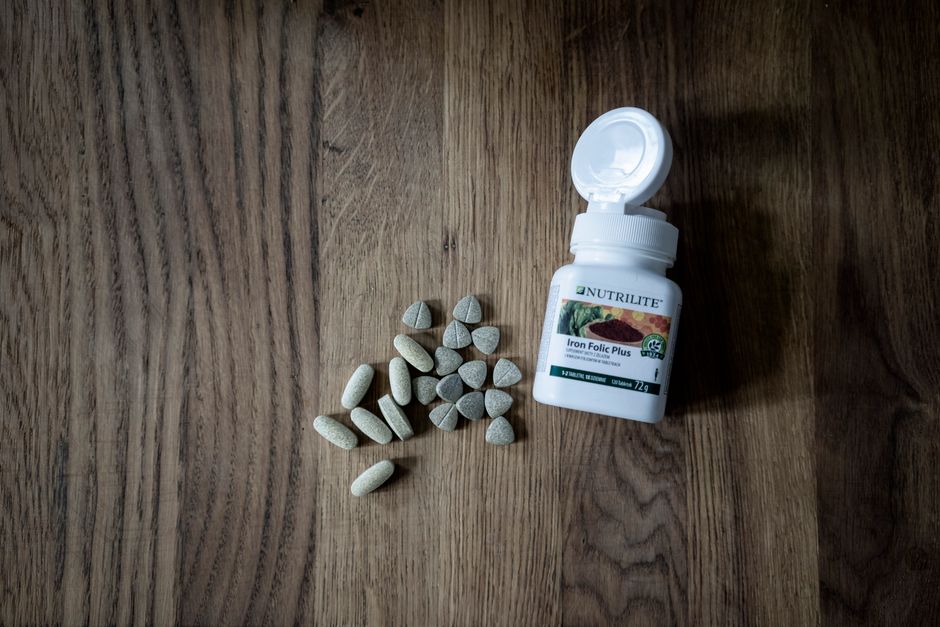
Iron deficiency is the most common nutrient deficiency worldwide, and it is also one of the most treatable. The right approach depends on how low your iron stores actually are, what is causing the loss, and whether diet alone can close the gap. For mild deficiency, food changes and vitamin C timing can help. For iron deficiency anemia, oral iron supplements are usually the first treatment, and they work best taken on an empty stomach with vitamin C.
What To Do For Iron Deficiency Supplements And Diet?
If a blood test shows low iron stores, the first step is finding out why. Iron deficiency rarely happens without a reason. Heavy periods, pregnancy, poor absorption, and blood loss through the gut are common causes. Treating the deficiency without addressing the cause often means the problem returns.
Once the cause is clear, most people need two things at once: iron-rich food and, in many cases, an iron supplement. Diet alone can correct mild depletion. It is usually not enough on its own to fix moderate or severe anemia, because the amount of iron the gut can absorb from food is limited.
Your body absorbs two forms of iron:
- Heme iron — from meat, poultry, and fish. Absorbed efficiently, typically around 15 to 35 percent of what you eat.
- Non-heme iron — from plants, eggs, and fortified foods. Absorbed less efficiently, often under 10 percent, and strongly affected by what else is in the meal.
This difference explains why vegetarians and vegans need to pay closer attention to iron intake and absorption. It also explains why simply eating more spinach is rarely the whole answer.
How Do You Take An Iron Supplement Correctly?
How you take iron matters as much as how much you take. The same dose absorbed well can do more than a larger dose absorbed poorly.
Take oral iron on an empty stomach when possible — about one hour before a meal or two hours after. Vitamin C boosts absorption of non-heme iron. A glass of orange juice or a vitamin C tablet taken with the pill can meaningfully increase how much iron your body takes in.
Things that block absorption include:
- Calcium — milk, yogurt, cheese, and calcium supplements
- Coffee and tea, especially strong tea
- Antacids and acid-reducing medications
- Whole grains, bran, and legumes in large amounts at the same meal
If iron upsets your stomach — and it often does — you can take it with a small amount of food. Absorption drops, but a lower absorbed dose is better than a dose you stop taking. Constipation, nausea, and dark stools are common and expected. Dark stools from iron are not a sign of bleeding.
Some clinicians recommend taking iron every other day rather than daily. The reasoning is that a daily dose can trigger a rise in hepcidin, a hormone that blocks further iron absorption. The evidence here is still developing, and dosing schedules vary. Follow the instructions from your clinician rather than changing the schedule on your own.
Which Foods Actually Raise Your Iron?
Food will not replace a supplement when you are anemic, but it supports the recovery and helps prevent the problem from coming back. The goal is not just iron content — it is iron that your body can actually use.
Strong sources of heme iron include lean red meat, liver, poultry, and fish. Non-heme sources include lentils, chickpeas, beans, tofu, spinach, and iron-fortified cereals. Pairing plant iron with vitamin C at the same meal improves absorption. Adding a source of meat, poultry, or fish to a plant-based meal also helps.
One detail worth knowing: cooking in a cast-iron skillet can add a small amount of iron to food, particularly acidic dishes like tomato sauce. The amount is modest and hard to predict, so treat it as a minor bonus rather than a strategy.
If you are vegetarian or vegan, your iron needs are roughly higher than a meat eater’s because plant iron is absorbed less efficiently. This is a recognized point in nutrition guidance, not a reason to avoid a plant-based diet — just a reason to plan it.


How Long Until You Feel Better?
Symptoms like fatigue and shortness of breath often start improving within a few weeks of starting treatment. That improvement does not mean the deficiency is fixed.
Hemoglobin — the protein that carries oxygen in red blood cells — usually rises measurably within a few weeks. But ferritin, the protein that stores iron, takes much longer to rebuild. It commonly takes several months of consistent treatment to refill iron stores, even after hemoglobin returns to normal.
This is where many people go wrong. They feel better, stop the supplement, and the deficiency returns within months. Finishing the full course matters. Your clinician will usually recheck your blood to confirm that stores have actually recovered, not just that symptoms eased.
If there is no improvement after a reasonable trial, the cause may not be simple deficiency. Ongoing blood loss, poor absorption, or another condition may be involved, and that needs to be investigated rather than treated with a higher dose.
Who Is At Highest Risk?
Some groups are far more likely to develop iron deficiency, and for different reasons.
- Menstruating women — especially those with heavy periods, which are a leading cause
- Pregnant women — iron needs rise substantially during pregnancy
- Infants and young children — rapid growth raises demand
- People with gastrointestinal conditions — celiac disease, inflammatory bowel disease, and after bariatric surgery, all of which affect absorption
- Frequent blood donors
- People taking long-term acid-reducing medications
For infants and children, iron needs are real but dosing is not something to guess. No clinical guidelines support self-dosing iron in children. This should be managed by a pediatric clinician, because both too little and too much iron can cause harm in this group.
Can You Take Too Much Iron?
Yes, and this is not a minor concern. Iron is not like vitamin C — the body has limited ability to get rid of excess. Taking high doses when you do not need them can cause harm.
Iron overload can damage the liver, heart, and pancreas over time. People with a genetic condition called hemochromatosis absorb too much iron and should not take supplements without medical supervision. Iron supplements are also a leading cause of poisoning in young children, which is why they should be stored out of reach and in child-resistant containers.
Never take iron supplements for fatigue without a blood test confirming deficiency. Fatigue has many causes, and iron is not a general energy supplement. Taking it blindly can mask a different problem and, in some cases, cause its own.
If you suspect iron poisoning or a child has swallowed iron pills, treat it as an emergency and seek immediate medical help.
What About IV Iron?
Intravenous iron delivers iron directly into the bloodstream. It is used when oral iron fails, is not absorbed, is not tolerated, or when the deficiency is severe enough that it needs to be corrected quickly.
IV iron is a medical treatment given in a clinical setting. It is not a stronger version of a supplement you can arrange on your own. Some people experience reactions during infusion, so it is monitored. For the right patient, it can correct deficiency faster than pills, but it is reserved for situations where it is genuinely needed.
What Does The Evidence Actually Show?
The core facts here are well established. Iron deficiency is common, it is diagnosed by blood tests, and oral iron plus dietary support is the standard first-line approach for most people. Vitamin C improves absorption of non-heme iron. Calcium, tea, and coffee reduce it. These points are consistent across clinical guidance.
Some areas are less settled. The ideal dosing schedule — daily versus every other day — is still being studied, and recommendations differ. The best form of iron supplement is debated, with different salts offering trade-offs between absorption and stomach tolerance. And the exact role of diet alone in correcting established anemia remains limited.
What is not in question is the importance of finding the underlying cause. Iron deficiency is a sign, not a diagnosis in itself. Treating the number without understanding the reason is the most common mistake.
Frequently Asked Questions
Should I take iron supplements without a blood test?
No. Iron supplements should be taken only when a blood test confirms deficiency, because excess iron can harm the liver, heart, and pancreas over time. Fatigue alone is not enough reason to start iron.
What should I avoid taking with iron supplements?
Calcium, coffee, tea, antacids, and acid-reducing medications all reduce iron absorption and are best taken at a different time. Vitamin C does the opposite and can be taken with iron to improve absorption.
How long does it take to fix iron deficiency?
Symptoms often improve within a few weeks, but rebuilding iron stores usually takes several months of consistent treatment. Stopping early is a common reason the deficiency returns.
Can diet alone fix iron deficiency anemia?
Diet alone can correct mild iron depletion but is usually not enough for moderate or severe anemia, because the gut can only absorb a limited amount of iron from food. Most people with anemia need a supplement as well.
