
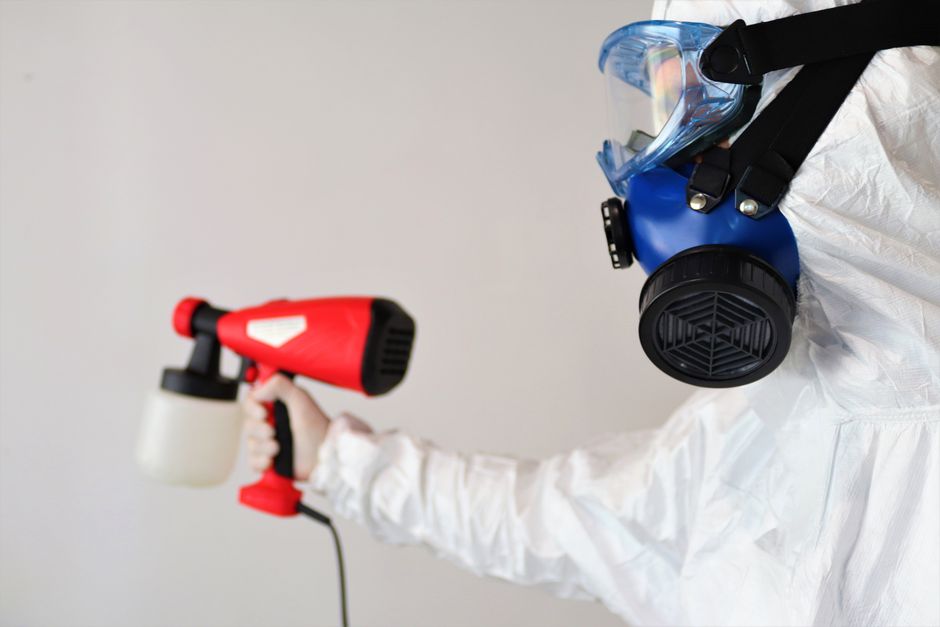
Black mold removal starts with fixing the moisture problem. Without fixing the leak or humidity source, the mold will return. For small patches under 10 square feet, you can clean it yourself with detergent and water. For larger areas, hire a professional mold remediation company. Prevention is simpler than removal — keep indoor humidity below 50 percent and fix water leaks within 24 hours.
How Can You Tell If It Is Black Mold?
Not all dark mold is the dangerous kind people worry about. The term “black mold” usually refers to Stachybotrys chartarum, a greenish-black mold that grows on materials with high cellulose content like drywall and wood. But many molds look black. You cannot tell by color alone.
The CDC states that all indoor mold growth should be removed the same way, regardless of type. The health risks from mold are real but often exaggerated online. What matters most is the amount of mold, how long it has been growing, and your personal sensitivity to it.
A musty smell, visible dark spots on walls or ceilings, and a history of water damage are the best clues. Professional testing is rarely needed. If you see mold and smell mold, you have a mold problem. Focus on removal and fixing the water source, not on identifying the exact species.
What Causes Black Mold To Grow In Homes?
Mold needs three things to grow: moisture, food, and the right temperature. The food source is everywhere — drywall paper, wood, dust, and even soap scum. The temperature in most homes is fine for mold growth. Moisture is the only factor you can control.
Leaky pipes, roof leaks, poor bathroom ventilation, and high indoor humidity are the most common causes. A study from the American Society of Heating, Refrigerating and Air-Conditioning Engineers found that indoor humidity above 60 percent significantly increases mold growth risk. Most basements, bathrooms, and crawl spaces sit above this level without active dehumidification.
Condensation on windows in winter is a warning sign. So is that damp smell in a basement after rain. If you notice either, you already have the conditions mold needs. The longer moisture sits, the deeper mold grows into porous materials.
What To Do For Black Mold Removal And Prevention: The Step-by-Step Process
For small areas under 10 square feet, which is roughly a 3-foot by 3-foot patch, you can handle it yourself. The EPA recommends using detergent and water — not bleach. Bleach kills surface mold but does not reach mold inside porous materials. It also releases fumes that are worse for your lungs than the mold itself.
Wear an N95 mask, gloves, and goggles. Seal off the area with plastic sheeting to prevent spores from spreading. Scrub the moldy surface with a stiff brush and a solution of dish soap and warm water. Dry the area completely within 24 hours. If the material is soft or water-damaged, like drywall or carpet, cut it out and replace it.
For larger areas, do not attempt DIY removal. Disturbing a large mold colony releases millions of spores into the air. Hire a certified mold remediation professional. They have HEPA vacuums, negative air pressure machines, and proper containment protocols. The cost ranges from 500 to 6,000 dollars depending on the size of the infestation.



Does Bleach Actually Kill Black Mold?
This is one of the most common myths in home maintenance. Bleach does kill mold on non-porous surfaces like tile and glass. But mold rarely grows on those surfaces. It grows on porous materials like drywall, wood, and grout — where bleach cannot penetrate.
Research from the EPA shows that bleach leaves water behind after it evaporates. That water actually soaks into porous materials and feeds the mold deeper inside. You may see the surface look clean, but the mold returns within weeks because the root structure was never removed.
A better option for porous surfaces is a commercial mold cleaner or a simple detergent solution. For non-porous surfaces, vinegar is more effective than bleach at killing mold. A 2015 study published in the International Journal of Environmental Research and Public Health found that vinegar killed 82 percent of mold species, compared to bleach which killed only surface colonies.
How To Prevent Black Mold From Coming Back
Prevention is about moisture control, not constant cleaning. If you fix the water problem, mold cannot grow even if spores are present. The spores are everywhere in outdoor air. They enter homes through windows, doors, and ventilation systems. That part is normal and unavoidable.
The key numbers to remember are 50 percent humidity and 24 hours. Keep indoor humidity below 50 percent. Use a dehumidifier in basements and bathrooms. Fix any water leak within 24 hours. After that window, mold growth becomes likely on wet materials.
| Prevention Method | What It Does | Cost |
|---|---|---|
| Dehumidifier | Keeps humidity below 50% | 150-300 dollars |
| Bathroom exhaust fan | Removes steam after showers | 50-200 dollars installed |
| Fix leaks immediately | Removes water source within 24 hours | Varies by repair |
| Waterproof basement walls | Blocks moisture from ground | 1,500-5,000 dollars |
Ventilation matters more than people think. A bathroom without an exhaust fan produces enough moisture in one shower to raise humidity above 80 percent. That level sustained for a few days is enough for mold to start growing on the ceiling. Run the fan during showers and for 20 minutes after.
What Are The Health Risks Of Black Mold Exposure?
Most healthy people experience no serious effects from short-term mold exposure. The most common symptoms are nasal stuffiness, throat irritation, coughing, and eye irritation. These are essentially allergic reactions. They go away when the mold is removed.
People with asthma, allergies, or weakened immune systems are more sensitive. A 2004 report from the Institute of Medicine found sufficient evidence linking indoor mold to upper respiratory symptoms in otherwise healthy people and to asthma symptoms in people with asthma. The evidence for more severe effects like memory loss or bleeding lungs is weak and comes mostly from case reports, not controlled studies.
The CDC is clear: there is no proven link between black mold and the dramatic health claims you see online. That does not mean mold is harmless. It means the risks are mostly respiratory and allergic, not neurological or toxic in the way some sources claim. If you have unexplained symptoms that improve when you leave your home, mold could be the cause.
When Should You Call A Professional For Mold Removal?
Call a professional if the mold covers more than 10 square feet. Call if the mold is in your HVAC system. Call if water damage was caused by sewage or contaminated water. And call if you have a health condition like asthma or a suppressed immune system.
Professionals use techniques that homeowners cannot replicate. They seal the area with plastic and negative air pressure. They use HEPA vacuums that capture particles down to 0.3 microns. They dispose of contaminated materials according to local regulations. A DIY approach on a large infestation can spread mold throughout your entire home.
Do not call a general contractor who offers mold removal as an add-on. Look for a certified firm. The Institute of Inspection, Cleaning and Restoration Certification (IICRC) certifies mold remediation professionals. Check for that certification before hiring. Also get multiple quotes. Prices vary widely for the same scope of work.
Common Misconceptions About Black Mold
One persistent myth is that black mold is rare or only found in condemned buildings. False. A study published in the Journal of Allergy and Clinical Immunology found that 47 percent of homes in the United States have visible mold growth or moisture problems. Black mold is common, not exceptional.
Another myth is that mold testing kits are reliable. They are not. The EPA does not recommend routine mold testing because there are no established standards for what is an acceptable level of mold spores indoors. The test results are difficult to interpret and often lead to unnecessary worry or unnecessary spending.
A third myth is that air purifiers alone solve mold problems. Air purifiers with HEPA filters can capture airborne spores, but they do nothing about mold growing on surfaces. The mold must be physically removed. Air purifiers are helpful after removal to capture remaining spores, but they are not a substitute for cleaning.
Frequently Asked Questions
Can I paint over black mold to seal it?
No. Painting over active mold traps moisture and the mold continues growing underneath. The paint will bubble and peel within weeks.
How long does it take for black mold to make you sick?
There is no standard timeline. Some people react within hours, others never react at all. It depends on your sensitivity and the amount of mold present.
Does vinegar kill black mold better than bleach?
Yes, on porous surfaces. Vinegar penetrates materials like drywall and grout, killing mold at the root. Bleach only kills surface mold on non-porous surfaces.
Is black mold covered by homeowners insurance?
Usually not. Most policies exclude mold damage unless it was caused by a covered peril like a burst pipe. Check your policy wording carefully.
