
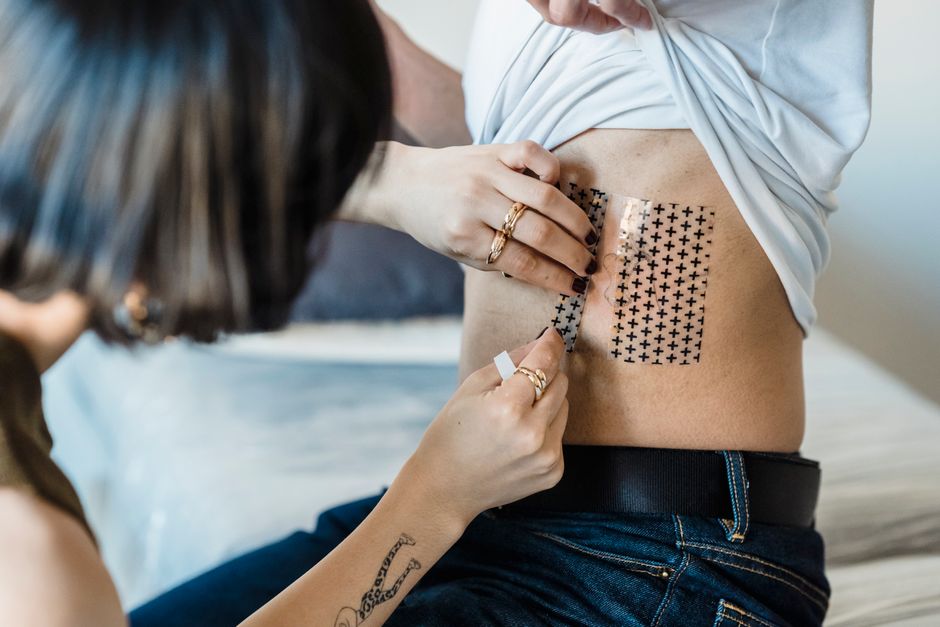
Tattoo removal works by using laser energy to break up the ink particles in your skin so your body’s immune system can clear them away. The laser targets the pigment without destroying the surrounding skin. Most people need multiple sessions because the body can only remove a small amount of ink at a time.
How Does Tattoo Removal Work at the Skin Level?
The most common method is laser removal, specifically Q-switched lasers or picosecond lasers. These devices deliver a very short, high-energy pulse of light that passes through the top layers of skin and is absorbed by the tattoo ink.
The ink particles absorb the light and heat up rapidly. This heat causes the particles to shatter into much smaller fragments. Once the ink is broken into tiny pieces, your body’s lymphatic system can recognize it as waste and gradually carry it away to be processed and eliminated.
This is not an instant process. The body clears the shattered ink over several weeks between sessions. This is why clinics space treatments about 6 to 8 weeks apart. The waiting time is not just for convenience — it is the time your body needs to do its part of the work.
Why Does Removing a Tattoo Take Multiple Sessions?
Several factors determine how many sessions you will need. The color of the ink matters significantly. Black and dark blue inks absorb most laser wavelengths well, which makes them the easiest colors to remove. Lighter colors like yellow, green, and white are much harder because they do not absorb the laser energy as efficiently.
The depth of the ink also plays a role. Tattoo ink sits in the dermis, the second layer of skin. Some tattoos are placed deeper than others, and deeper ink is harder to reach. The age of the tattoo matters too. Older tattoos have already started to fade and break down naturally, so they often respond faster to laser treatment.
Professional tattoos generally require more sessions than amateur ones because professional machines deposit ink more densely and consistently. On average, most tattoos require anywhere from 5 to 15 sessions to achieve near-complete removal. Some stubborn tattoos may never fully disappear.
What Happens During a Laser Tattoo Removal Session?
A typical session is quick, often lasting only a few minutes depending on the size of the tattoo. The technician will clean the area and may apply a numbing cream. Many modern lasers also have a cooling device attached to the handpiece to reduce pain and protect the skin.
You will wear protective goggles to shield your eyes from the laser light. The sensation during treatment is often described as a rubber band snapping against the skin, or hot bacon grease splattering. The pain level varies by person, by tattoo location, and by the intensity of the laser.
Immediately after the session, the skin will be red, swollen, and possibly blistered. This is a normal reaction. The treated area will form a scab or crust over the next several days. It is critical to keep the area clean and moisturized while it heals. Picking at the scab can lead to scarring and patchy results.





What Are the Risks and Side Effects?
Laser tattoo removal is generally safe when performed by a qualified professional, but it is not without risks. The most common side effects are temporary redness, swelling, and blistering. These usually resolve within a week or two.
Scarring is a real risk, especially if the skin is not cared for properly after treatment or if the laser settings are too aggressive. Some people develop hyperpigmentation, where the treated area becomes darker than the surrounding skin. Others develop hypopigmentation, where the area becomes lighter. These pigment changes can be permanent, though they often fade over time.
Infection is possible if the blistered skin is not kept clean. Allergic reactions to the ink are rare but can occur. When ink is shattered, it can expose the immune system to pigments that were previously sealed off, which can trigger an allergic response in some people.
One important warning: never attempt to remove a tattoo with at-home devices or DIY methods. These products are not regulated and have caused serious burns, scarring, and permanent skin damage. Tattoo removal should only be performed by a licensed medical professional, such as a dermatologist or a trained laser technician under medical supervision.
Are There Alternatives to Laser Removal?
Laser removal is the gold standard, but it is not the only option. Surgical excision is an option for very small tattoos. The surgeon cuts out the tattooed skin and stitches the edges together. This leaves a scar but removes the ink in a single procedure.
Dermabrasion is an older technique that sands down the top layers of skin to remove ink. It is effective for some tattoos but is more painful and carries a higher risk of scarring than laser treatment. It is rarely used today.
Tattoo removal creams are widely sold online and in some stores. These products do not work. No cream has been proven to remove tattoo ink from the dermis. Many contain acids that can cause chemical burns. The evidence is clear: these creams are a waste of money and can be dangerous.
Cover-up tattoos are not removal, but they are a practical alternative for people who want to change a tattoo rather than eliminate it. A skilled artist can design a new tattoo that incorporates or hides the old one. This is often more affordable and faster than laser removal.
How Much Does Tattoo Removal Cost?
Cost varies widely based on location, the clinic, the size of the tattoo, and the number of sessions needed. A small tattoo might cost $100 to $300 per session. A large, colorful tattoo could cost $500 or more per session. Since most people need multiple sessions, total costs can easily reach thousands of dollars.
Most health insurance plans do not cover tattoo removal because it is considered an elective cosmetic procedure. Some clinics offer payment plans or package deals for multiple sessions. It is worth asking about these options during a consultation.
The cheapest option is not always the best. Choosing an inexperienced provider to save money can result in burns, scarring, and incomplete removal, which ultimately costs more to fix. Look for a provider who has specific training in laser tattoo removal and a portfolio of before-and-after photos.
What Results Can You Realistically Expect?
Complete removal is possible for some tattoos but not all. Black ink on light skin has the highest success rate. Even under ideal conditions, “complete” removal often leaves a faint shadow or ghost of the original tattoo. This is common and should not be considered a failed treatment.
Results depend heavily on your skin type, ink colors, tattoo age, and how your body responds to the treatment. Some people see significant fading after just a few sessions. Others see only modest changes even after many treatments.
Your immune system does the actual work of clearing the ink, so your overall health matters. People who smoke, have poor circulation, or have compromised immune systems may clear ink more slowly. There is no way to predict exactly how many sessions you will need until you start treatment and see how your skin responds.
Frequently Asked Questions
Does tattoo removal hurt?
Yes, most people find it uncomfortable, often described as a rubber band snapping against the skin. Numbing cream and cooling devices help reduce the pain.
How many sessions to remove a tattoo?
Most tattoos require 5 to 15 sessions, spaced 6 to 8 weeks apart. The exact number depends on ink color, depth, and your individual response.
Can all tattoo colors be removed?
Black and dark blue are the easiest to remove. Green, yellow, and white inks are harder and may not respond fully to laser treatment.
Will laser tattoo removal leave a scar?
Scarring is possible but not common when the procedure is done by a qualified professional. Proper aftercare, including keeping the area clean and not picking scabs, reduces the risk.
