
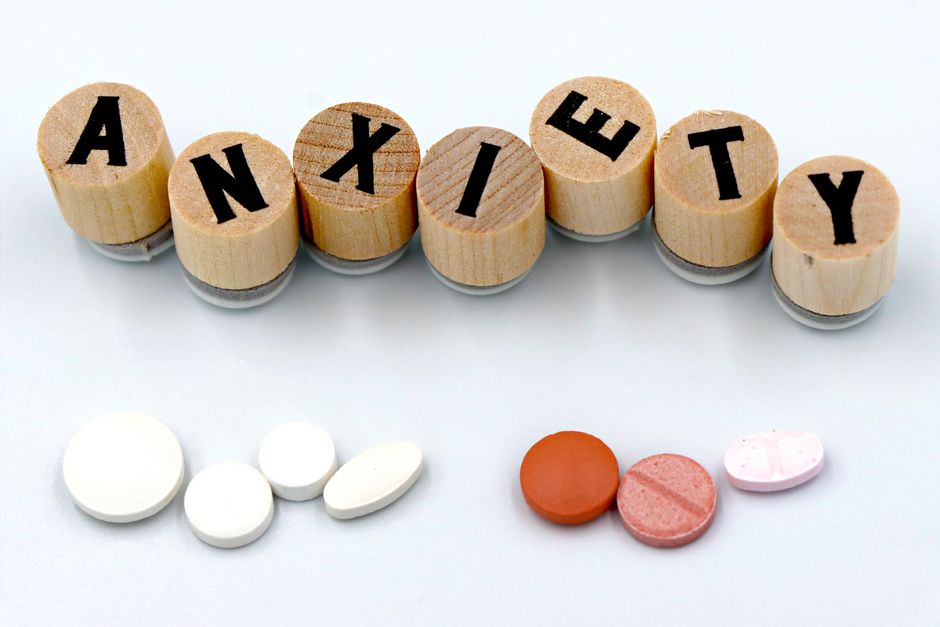
Anxiety is your body’s alarm system doing its job — sometimes too well. The most reliable ways to control it combine slow breathing to calm the nervous system in the moment, regular physical activity, enough sleep, limiting caffeine and alcohol, and structured approaches like cognitive behavioral therapy. For persistent anxiety that interferes with daily life, talking with a doctor or licensed mental health professional is the most effective step you can take.
None of these are magic. They work because they target the actual mechanisms that keep anxiety running — an overactive stress response, unhelpful thought patterns, and physical habits that feed the cycle.
What Actually Happens in Your Body During Anxiety?
Anxiety starts in the brain but shows up everywhere. When your brain perceives a threat — real or imagined — it signals the adrenal glands to release adrenaline and cortisol. Your heart rate climbs. Breathing gets faster and shallower. Muscles tense. Blood sugar rises for quick energy.
This is the fight-or-flight response. It evolved to help you escape danger. The problem is that it can fire when there is no physical threat at all — during a work meeting, a social event, or at 3 a.m. when you are lying in bed.
Your body cannot tell the difference between a real threat and a worried thought. That is why a stressful email can make your palms sweat and your chest tighten. The physiological response is identical.
Understanding this matters because it explains why anxiety symptoms feel so physical. Racing heart, tight chest, dizziness, nausea, trembling — these are not signs something is wrong with your body. They are signs your alarm system is turned up too high.
How Can I Control My Anxiety Proven Tips That Work?
Certain techniques have strong evidence behind them. Others are popular but thin on proof. Here is what holds up.
Slow your breathing
Slow, controlled breathing directly counteracts the stress response. When you breathe at roughly six breaths per minute, your parasympathetic nervous system — the “rest and digest” branch — becomes more active. Heart rate slows. Blood pressure drops slightly. This is not a cure, but it is a reliable way to reduce acute symptoms in the moment.
A simple method: breathe in through your nose for a count of four, hold for four, then breathe out through your mouth for a count of six. Repeat for a few minutes. The exact counts matter less than making your exhale longer than your inhale.
Move your body regularly
Exercise reduces anxiety symptoms. That finding is consistent across many studies. Aerobic activity — walking, running, swimming, cycling — appears to be particularly helpful, though the best exercise is the one you will actually do consistently.
You do not need intense workouts. A brisk 30-minute walk most days of the week can make a meaningful difference for many people. Some research suggests even shorter bouts of movement help.
Get enough sleep
Sleep deprivation amplifies anxiety. It makes the amygdala — the brain’s threat-detection center — more reactive and weakens the prefrontal cortex, which normally helps you keep worry in check. Most adults need seven to nine hours per night according to the National Sleep Foundation.
If anxiety keeps you awake, that creates a loop: poor sleep worsens anxiety, and anxiety worsens sleep. Breaking that cycle often starts with basic sleep hygiene — consistent bedtimes, no screens right before bed, and keeping the room cool and dark.
Cut back on caffeine and alcohol
Caffeine triggers the same physical sensations as anxiety — racing heart, jittery hands, restlessness. If you are already anxious, that can feel like proof something is wrong, which makes the anxiety worse. Some people are more sensitive to this than others.
Alcohol is more complicated. A drink may feel calming at first because it depresses the central nervous system. But as it wears off, anxiety often rebounds. Regular drinking can also disrupt sleep and lower the threshold for anxiety over time.
Challenge anxious thoughts
Anxiety feeds on catastrophic thinking — jumping to the worst-case scenario and treating it as likely. Cognitive behavioral therapy (CBT) teaches you to notice these patterns and question them. Is this thought based on evidence? What is the realistic outcome, not the worst one?
CBT is one of the most studied treatments for anxiety disorders. Research consistently shows it helps, and its effects tend to last after treatment ends because you keep the skills.
Face what you avoid
Avoidance is anxiety’s best friend. Every time you skip the party, decline the presentation, or avoid the phone call, you teach your brain that the situation was dangerous. The anxiety grows.
Gradual exposure — approaching feared situations step by step — is a core part of CBT and has strong evidence behind it. Start small. Stay in the situation long enough for your body to calm down. Repeat. Over time, your brain learns the threat was never real.
Which Techniques Have the Strongest Evidence?
Not everything marketed for anxiety works equally well. Here is a rough comparison based on the strength of available research.
| Approach | Evidence Strength | Best For |
|---|---|---|
| Cognitive behavioral therapy | Strong | Ongoing anxiety, panic, social anxiety, generalized anxiety |
| Regular aerobic exercise | Strong | Reducing baseline anxiety, improving mood |
| Slow breathing techniques | Moderate | Acute symptom relief in the moment |
| Sleep improvement | Moderate to strong | Reducing overall anxiety sensitivity |
| Mindfulness meditation | Moderate | Managing worry, reducing reactivity |
| Herbal supplements (e.g., ashwagandha, kava) | Limited or mixed | Not established as reliable treatments |
The pattern is clear: approaches that change behavior and thinking over time tend to have the strongest evidence. Quick fixes rarely hold up.


Does Medication Help With Anxiety?
For some people, yes. Medications like SSRIs (selective serotonin reuptake inhibitors) and SNRIs (serotonin-norepinephrine reuptake inhibitors) are FDA-approved for anxiety disorders and have solid evidence behind them. Benzodiazepines like Xanax or Valium can provide rapid relief but carry a risk of dependence and are generally intended for short-term use.
Medication is not a sign of weakness. Anxiety disorders involve real changes in brain chemistry and circuit function. Medication can turn the volume down enough for therapy and lifestyle changes to take hold.
The decision to start medication is one to make with a doctor or psychiatrist who knows your history. What works for one person may not work for another.
When Should You Seek Professional Help?
Occasional anxiety is normal. But if anxiety is interfering with your work, relationships, sleep, or daily functioning — and it has been going on for months — that is a sign to talk to a professional.
Warning signs that suggest it is time to seek help:
- You avoid situations that matter to you because of anxiety
- You have panic attacks — sudden intense fear with physical symptoms like chest pain, shortness of breath, or a feeling of losing control
- You worry excessively most days for six months or longer
- Anxiety disrupts your sleep, appetite, or ability to concentrate
- You are using alcohol or drugs to cope
- You have thoughts of harming yourself
If you are having thoughts of self-harm, contact the 988 Suicide and Crisis Lifeline by calling or texting 988. Help is available right now.
A primary care doctor can be a good first stop. They can rule out medical causes — like thyroid problems or heart conditions — that can mimic anxiety. From there, they may refer you to a therapist or psychiatrist.
What About Supplements and Natural Remedies?
This is where marketing often outruns evidence. Many products claim to reduce anxiety. Few have strong human trials to back them up.
Some small studies suggest ashwagandha may reduce stress and anxiety symptoms. Kava has shown promise in some trials for anxiety, but it carries a risk of liver damage, and regulatory agencies in several countries have issued safety warnings. Passionflower, lemon balm, and L-theanine have some preliminary evidence, but the research is not strong enough to call them proven treatments.
No supplement has been established as a reliable replacement for therapy or medication. If you want to try one, talk to your doctor first — especially if you take other medications, are pregnant, or have liver or kidney conditions.
The same caution applies to CBD. Some people report it helps with anxiety. The clinical evidence is still limited and mixed, and product quality varies widely.
Can Lifestyle Changes Alone Control Anxiety?
For mild, occasional anxiety, lifestyle changes may be enough. Better sleep, regular exercise, less caffeine, and learning to challenge worried thoughts can make a real difference.
For anxiety disorders — generalized anxiety disorder, panic disorder, social anxiety disorder — lifestyle changes alone are usually not enough. They work best alongside therapy, medication, or both.
There is no single answer that works for everyone. The goal is not to eliminate anxiety. It is to keep it from running your life. That is achievable for most people with the right combination of strategies and support.
Frequently Asked Questions
Can anxiety be cured?
Anxiety disorders are highly treatable, but “cured” is not always the right word. Many people manage their symptoms effectively with therapy, medication, or lifestyle changes and live full, functional lives.
How long does it take for anxiety treatment to work?
Cognitive behavioral therapy often shows benefits within a few weeks to a few months. Medications like SSRIs typically take several weeks to reach full effect, and response varies by person.
Is it possible to control anxiety without medication?
For mild anxiety, yes — lifestyle changes and therapy can be enough. For moderate to severe anxiety disorders, medication combined with therapy tends to be more effective than either alone.
What should I do during a panic attack?
Slow your breathing, remind yourself it will pass, and stay where you are if it is safe. Panic attacks peak within minutes and are not dangerous, though they feel frightening.
