
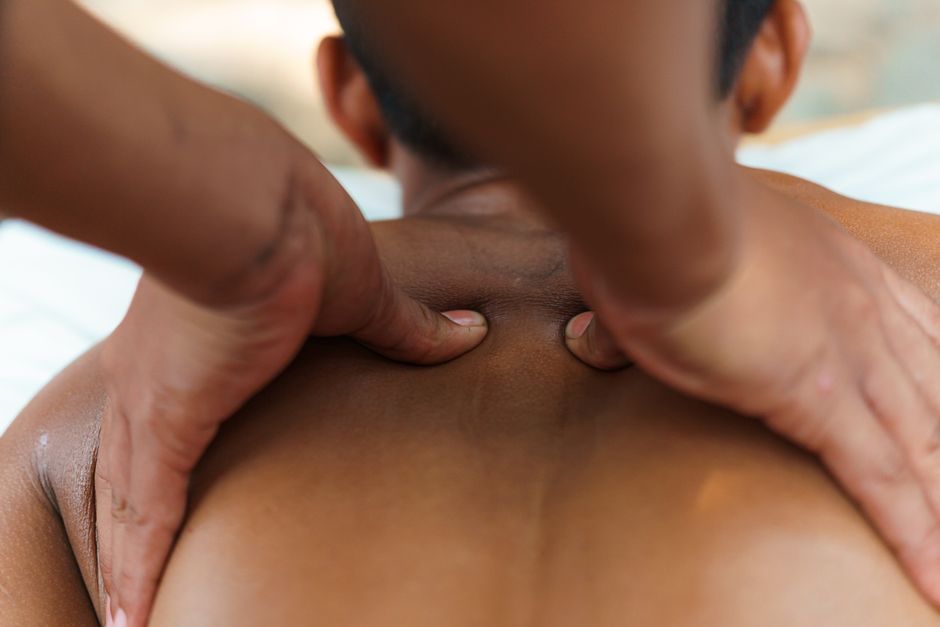
A pulled muscle in your shoulder can stop you from doing everyday things like reaching for a cup or lifting a grocery bag. The first steps are simple: stop the activity that caused the pain, apply ice to reduce swelling, and rest the shoulder for a day or two without completely immobilizing it. Most shoulder strains improve with gentle movement and at-home care within a week, but you need to know when it is more than a muscle strain and when to see a doctor.
How Do You Know It Is a Pulled Muscle and Not Something Else?
Shoulder pain is common, but not all shoulder pain comes from a pulled muscle. A pulled muscle — also called a strain — happens when muscle fibers tear from overstretching or overuse. It usually causes a dull ache or sharp pain in a specific spot, often near the neck, upper back, or the top of the shoulder.
Other shoulder problems cause similar pain. The rotator cuff is a group of four tendons that stabilize the shoulder joint. A rotator cuff injury can feel identical to a muscle strain, and it can be hard to tell them apart at home. Shoulder impingement, bursitis, and even referred pain from the neck or gallbladder can masquerade as a pulled muscle.
If you can raise your arm above your head — even with pain — the injury is more likely a strain than a tear. If you cannot lift your arm at all, or if the pain is severe and came on suddenly, seek medical attention. Numbness, tingling, or pain that radiates down the arm also warrants a doctor’s visit.
What Should You Do in the First 48 Hours?
The first two days after a shoulder strain are about reducing pain and swelling. Ice is the most effective tool during this window. Apply an ice pack wrapped in a thin towel to the painful area for 15 to 20 minutes every 2 to 3 hours. Never place ice directly on the skin — it can cause frostbite.
Rest the shoulder, but do not put it in a sling unless a doctor advises one. Complete immobilization can lead to stiffness and a longer recovery. Use the arm for light daily activities, but avoid lifting, reaching overhead, or any motion that reproduces the pain.
Over-the-counter pain relievers can help. Nonsteroidal anti-inflammatory drugs (NSAIDs) like ibuprofen or naproxen reduce both pain and inflammation. Acetaminophen reduces pain but does not reduce inflammation. Follow the dosing instructions on the package and check with your pharmacist if you take blood thinners or have kidney or stomach issues.
Heat is not recommended in the first 48 hours. Heat increases blood flow and can worsen swelling. After the initial swelling subsides, heat can help relax tight muscles, but ice should be your primary tool early on.
When Should You Start Moving the Shoulder?
Gentle movement is important, but timing matters. After the first 48 hours, begin slow, pain-free range-of-motion exercises. The goal is to prevent stiffness without aggravating the injury.
A simple pendulum exercise is a safe starting point. Lean forward slightly, let your injured arm hang down, and gently swing it in small circles. Keep the movements small and pain-free. Do this for 30 seconds a few times a day.
Another gentle exercise is the wall walk. Stand facing a wall, place your fingertips on the wall at waist height, and slowly walk your fingers up as high as you can without pain. Hold for a few seconds, then walk them back down. Repeat 5 to 10 times.
These exercises should never cause sharp pain. Mild discomfort is acceptable, but if an exercise makes the pain worse or increases it significantly, stop and give the shoulder more rest.




How Long Does a Pulled Shoulder Muscle Take to Heal?
Healing time depends on the severity of the strain. Mild strains — where only a few muscle fibers are stretched — typically improve within a few days to a week. Moderate strains with partial tearing can take 2 to 4 weeks. Severe strains with complete tears may require surgery and several months of recovery.
You should notice gradual improvement each day. If the pain is not improving after 5 to 7 days of home care, or if it is getting worse, see a doctor. Persistent pain beyond two weeks also needs evaluation.
Returning to normal activity too quickly is a common mistake. The muscle needs time to rebuild. Even after the pain is gone, the muscle may still be weak. Ease back into sports or heavy lifting gradually. Pushing through pain during recovery can turn a minor strain into a chronic problem.
What Should You Avoid While Recovering?
Several common mistakes can delay healing or make the injury worse. Sleeping on the injured side puts direct pressure on the shoulder and can increase pain. If you sleep on your side, sleep on the opposite side with a pillow supporting the injured arm.
Avoid overhead lifting and heavy lifting for at least a week, even if you feel better. The shoulder muscles work hard during these movements, and they need time to heal. Avoid sudden throwing motions or any activity that involves jerky arm movements.
Do not ignore persistent pain. Some people assume shoulder pain will resolve on its own. If the pain lasts more than a couple of weeks, or if it interferes with sleep regularly, get it checked. Chronic shoulder pain can develop when an acute injury is not managed properly.
One more thing to avoid: aggressive stretching. Stretching a strained muscle too forcefully can cause further tearing. Gentle movement is beneficial, but deep stretching should wait until the pain has fully resolved.
When Should You See a Doctor?
Some shoulder injuries require professional evaluation. Seek medical care if you experience any of the following:
- Inability to raise your arm above shoulder height
- Severe pain that does not improve with rest and ice
- Visible deformity or swelling in the shoulder area
- Numbness, tingling, or weakness in the arm or hand
- Pain that persists beyond two weeks
- Pain that occurs at rest or wakes you from sleep
A doctor can perform a physical exam and, if needed, order imaging such as an ultrasound or MRI to check for tendon tears or other structural damage. Early diagnosis of a rotator cuff tear can prevent the tear from worsening and improve treatment outcomes.
Physical therapy is often recommended for shoulder injuries that do not resolve quickly. A physical therapist can provide a structured rehabilitation program that strengthens the shoulder muscles and restores full range of motion. Some research indicates that guided rehabilitation is more effective than unstructured rest for shoulder injuries.
Frequently Asked Questions
Can I sleep on my injured shoulder?
No, sleeping directly on the injured shoulder can increase pain and slow healing. Sleep on your back or on the opposite side with a pillow supporting the injured arm.
Should I use heat or ice for a pulled shoulder muscle?
Use ice for the first 48 hours to reduce swelling and pain. After that, heat can help relax tight muscles, but ice remains useful if pain flares up.
How do I know if my shoulder injury is serious?
See a doctor if you cannot lift your arm, have severe pain, feel numbness or tingling, or if the pain lasts more than two weeks. These signs may indicate a tendon tear or other injury that needs professional treatment.
Can I stretch a pulled shoulder muscle?
Gentle range-of-motion exercises are helpful, but avoid deep stretching while the muscle is still healing. Stretching too aggressively can cause further damage.
