
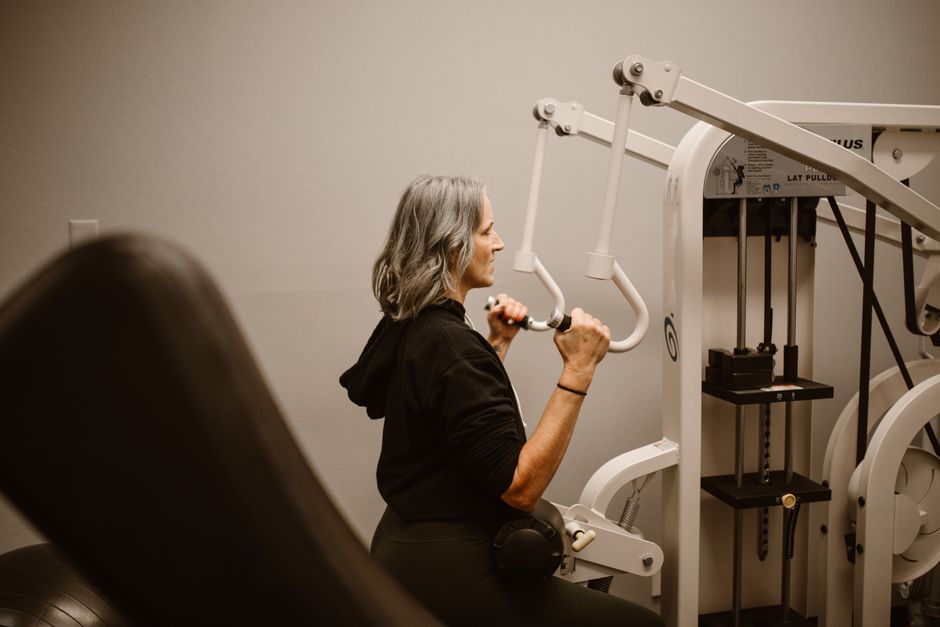
Menopause frozen shoulder is not a medical diagnosis you will find in a textbook. It is a real condition where the shoulder capsule stiffens and becomes inflamed, often appearing during perimenopause or menopause. The drop in estrogen during this time is linked to increased inflammation and changes in connective tissue, making the shoulder joint more likely to freeze. This article explains what is happening in your body, what the evidence actually shows, and what you can do about it.
What Causes Frozen Shoulder During Menopause?
Frozen shoulder, known medically as adhesive capsulitis, happens when the capsule of connective tissue around your shoulder joint thickens and tightens. This restricts movement and causes pain. During menopause, falling estrogen levels affect collagen production and reduce the tissue’s ability to repair and stay flexible.
Research published in the Journal of Shoulder and Elbow Surgery found that women aged 40 to 60 make up nearly 70 percent of frozen shoulder cases. The peak age of onset lines up directly with the average age of menopause. This is not a coincidence. Estrogen has anti-inflammatory properties. When levels drop, the shoulder capsule becomes more vulnerable to inflammation and scarring.
Thyroid conditions, which are more common in women during midlife, also raise the risk. The American Academy of Orthopaedic Surgeons notes that people with diabetes or thyroid disorders are significantly more likely to develop frozen shoulder. This creates a layered picture: hormonal shifts, metabolic changes, and mechanical stress on the joint all contribute.
How Do You Know If You Have Menopause Frozen Shoulder?
The condition follows three distinct stages. Knowing these helps you distinguish it from a rotator cuff injury or arthritis. The first stage is the freezing phase. Pain develops gradually and worsens over weeks or months. Moving the arm becomes painful, especially at night. This phase lasts anywhere from two to nine months.
The second stage is the frozen phase. Pain may decrease, but stiffness becomes the dominant problem. The shoulder feels like it is locked. You cannot lift your arm above shoulder height or reach behind your back. This stage can last four to twelve months. The third stage is the thawing phase. Range of motion slowly returns. This can take anywhere from five months to two years.
A simple test: try to raise your arm to the side as if you are tracing a rainbow. If someone else has to help lift your arm because it will not move on its own, that is a hallmark sign of frozen shoulder. A rotator cuff injury typically allows some assisted movement without the same locked sensation.
What Does Research on Menopause and Frozen Shoulder Show?
Studies have found a strong link between hormonal changes and shoulder stiffness. A 2018 study in BMC Musculoskeletal Disorders followed over 2,000 women and found that those who reached menopause earlier had a higher risk of developing frozen shoulder. The connection held even after adjusting for age, body mass index, and diabetes.
Another study in the Journal of Orthopaedic Research examined tissue samples from women with frozen shoulder. They found higher levels of estrogen receptors in the shoulder capsule tissue itself. This suggests the shoulder joint is directly sensitive to hormonal changes, not just indirectly affected by systemic inflammation.
There is no single study that proves estrogen loss causes frozen shoulder. The evidence is strong enough that many orthopedic specialists now consider menopausal status when diagnosing shoulder pain in women over 40. The National Institute for Health and Care Excellence in the UK includes hormonal factors as a recognized risk factor for adhesive capsulitis.





What Treatments Actually Work for Menopause Frozen Shoulder?
Treatment depends on the stage you are in. During the freezing phase, the goal is pain control and reducing inflammation. Nonsteroidal anti-inflammatory drugs like ibuprofen or naproxen can help, but they do not change the underlying process. The American Academy of Orthopaedic Surgeons recommends physical therapy with gentle stretching as the first-line treatment.
Corticosteroid injections into the shoulder joint are the most studied intervention for reducing pain and speeding recovery. A review in the Cochrane Database of Systematic Reviews found that steroid injections provide significant pain relief for up to six weeks and may shorten the duration of the freezing phase. They do not work for everyone, and repeated injections are not recommended because they can damage cartilage.
For the frozen phase, physical therapy becomes more aggressive but should never force movement. Hydrodilatation is a procedure where sterile fluid is injected into the shoulder capsule to stretch it from the inside. Some studies suggest it improves range of motion faster than physical therapy alone. Manipulation under anesthesia is another option, where a doctor moves the shoulder through its full range while you are asleep. This carries a small risk of fracture or tendon injury.
Surgery, called arthroscopic capsular release, is reserved for cases that do not improve after six to twelve months of conservative treatment. It involves cutting the tight parts of the capsule to restore movement. Outcomes are generally good, but recovery still requires months of rehabilitation.
What Should You Avoid When You Have Menopause Frozen Shoulder?
The most common mistake is pushing through the pain. Frozen shoulder is not like a muscle strain where movement speeds healing. Forcing the joint during the freezing phase can increase inflammation and make the capsule tighten further. Gentle stretching within a pain-free range is the goal. If a movement hurts, stop.
Another mistake is ignoring the hormonal connection. If you are in perimenopause or menopause and develop shoulder pain that does not improve, do not assume it is just aging or overuse. Ask your doctor about frozen shoulder specifically. Many women report being told they have a rotator cuff problem when the actual issue is adhesive capsulitis. The treatments are different, and a misdiagnosis can delay proper care by months.
Prolonged immobilization is also a problem. Wearing a sling for more than a few days can worsen stiffness. Use a sling only for comfort during severe pain, and remove it several times a day to do gentle pendulum swings. Let your arm hang down and gently sway it in circles. This keeps the joint moving without loading the capsule.
Comparison of Frozen Shoulder Treatment Options
| Treatment | Best Stage | Evidence Strength | Typical Recovery Time |
|---|---|---|---|
| Physical therapy | All stages | Strong | 6-18 months |
| Corticosteroid injection | Freezing phase | Strong for short-term pain | Improvement within 1-2 weeks |
| Hydrodilatation | Frozen phase | Moderate | May speed recovery by 2-4 months |
| Manipulation under anesthesia | Frozen phase | Moderate | Immediate range improvement |
| Arthroscopic capsular release | After 6-12 months no improvement | Strong for refractory cases | 3-6 months rehabilitation |
Can Hormone Therapy Help Prevent or Treat Menopause Frozen Shoulder?
This is widely claimed though strong evidence is limited. Some women report that starting hormone therapy for menopause symptoms helped their shoulder pain improve. The theory is that replacing estrogen reduces systemic inflammation and supports collagen health. It makes biological sense, but clinical studies have not confirmed it specifically for frozen shoulder.
Research published in Menopause journal looked at over 10,000 women and found that those using hormone therapy had a slightly lower risk of developing frozen shoulder. The difference was small but statistically significant. This is not the same as evidence that hormone therapy treats an existing frozen shoulder. For that question, no controlled trials exist as of 2026.
If you are already considering hormone therapy for hot flashes or other menopause symptoms, it may offer a side benefit for shoulder health. But starting hormone therapy solely for frozen shoulder is not supported by current evidence. Talk to your doctor about the risks and benefits for your specific situation.
Frequently Asked Questions
How long does menopause frozen shoulder last?
Most cases last between 12 and 24 months without treatment. With appropriate care, the freezing phase can be shortened by several months.
Can frozen shoulder return after it heals?
Recurrence in the same shoulder is rare, but up to 20 percent of people develop frozen shoulder in the opposite shoulder within five years.
Is frozen shoulder a sign of early menopause?
It can be. Frozen shoulder appears most often in women aged 40 to 60, which overlaps with perimenopause and early menopause. It is not a definitive sign on its own.
Does exercise make frozen shoulder worse?
Forced or painful exercise can worsen inflammation. Gentle stretching within a pain-free range is safe and recommended. Aggressive stretching is not.
