
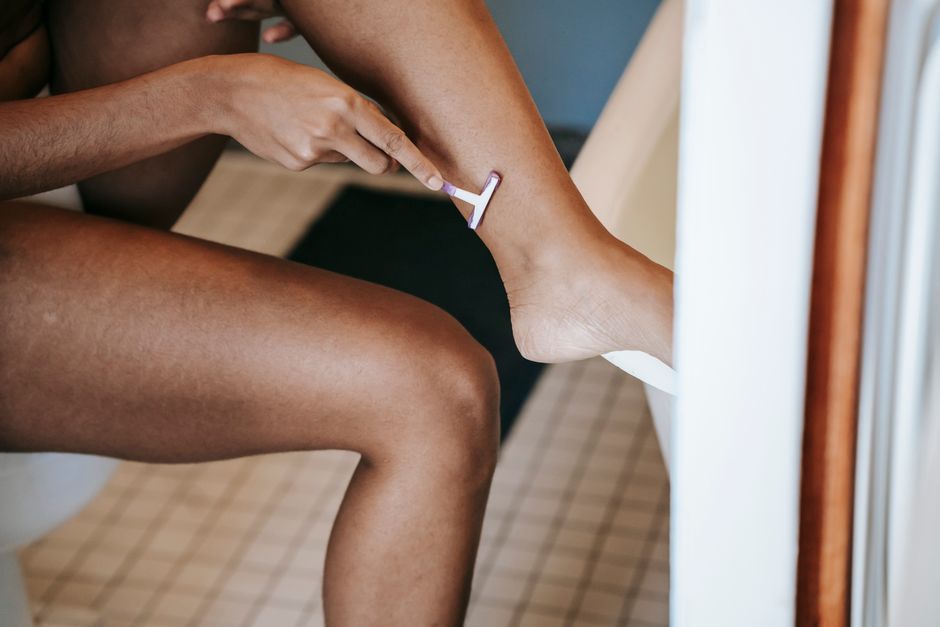
Ingrown hairs happen when a hair curls back or grows sideways into the skin instead of rising up out of the follicle. They are common after shaving, waxing, or tweezing, and they usually appear as small, red, or sometimes pus-filled bumps. The best approach is to stop shaving that area temporarily, use warm compresses to bring the hair closer to the surface, and gently exfoliate to help release the trapped tip. In most cases, an ingrown hair resolves on its own within one to two weeks without any special treatment.
What causes an ingrown hair to form?
Ingrown hairs develop when the sharp tip of a shaved or cut hair pierces the skin as it tries to grow. The body then treats that hair like a foreign object, which triggers localized inflammation. That inflammation is what creates the red bump you see.
Curly or coarse hair is more prone to this problem. When hair is cut at an angle during shaving, it leaves a sharp point that easily re-enters the skin. Tight clothing and sweat can also push the hair back into the follicle, making the problem worse.
What To Do About Ingrown Hair: Step-by-Step Care
The first step is to stop shaving, waxing, or plucking the affected area until the bump clears. Continuing to remove hair will only re-traumatize the skin and can turn a minor irritation into a more serious infection.
Apply a warm compress to the area for 10 to 15 minutes, two to three times a day. The heat softens the skin and helps the trapped hair move closer to the surface. Once the hair loop becomes visible, you can gently lift it with a sterile needle or tweezers. Do not dig for the hair. If it does not release easily, leave it alone and continue with warm compresses.
Gentle exfoliation can help prevent future ingrown hairs by removing dead skin cells that block the follicle opening. Use a soft washcloth or a mild scrub in circular motions. Avoid aggressive scrubbing, which can irritate the skin and make inflammation worse.
Do ingrown hairs need medical treatment?
Most ingrown hairs do not require medical care. They resolve on their own with home care and time. However, you should see a healthcare provider if the bump becomes increasingly painful, grows larger, or fills with yellow pus that suggests infection.
Signs that warrant medical attention include spreading redness, warmth around the area, fever, or red streaks moving away from the bump. These can indicate cellulitis, a bacterial skin infection that needs prescription treatment. People with diabetes or weakened immune systems should be especially cautious about any skin infection.
For persistent or recurrent ingrown hairs, a dermatologist can offer treatments that are not available over the counter. Prescription retinoid creams help normalize skin cell turnover, which keeps follicles clear. Topical antibiotics treat infection when present. In stubborn cases, laser hair removal reduces the amount of hair in the area, which directly addresses the root cause.




How to prevent ingrown hairs before they start
Prevention focuses on how you remove hair and how you care for your skin afterward. Shaving technique matters more than most people realize.
Shave in the direction of hair growth rather than against it. This leaves the hair with a blunter tip that is less likely to re-enter the skin. Use a sharp, single-blade razor. Multi-blade razors pull the hair up before cutting it, which allows the hair to retract below the skin surface after shaving — a setup for ingrown hairs.
Wet the skin thoroughly with warm water before shaving. This softens the hair and opens the follicle. Use a shaving gel or cream to reduce friction. Rinse the razor after every stroke to keep the blade clean and sharp.
After shaving, apply a gentle moisturizer or an aftershave that does not contain alcohol. Alcohol-based products dry the skin and can increase irritation.
Chemical exfoliants containing salicylic acid or glycolic acid can help keep the follicle opening clear. Some research supports their use for preventing ingrown hairs, particularly in people who shave regularly. Apply these products daily to the affected area, but stop if they cause burning or excessive dryness.
What makes ingrown hairs worse?
Several common habits make ingrown hairs worse, even when people think they are helping. Picking or squeezing the bump is the most frequent mistake. This pushes bacteria deeper into the skin and increases the risk of scarring and infection.
Shaving too closely is another problem. The closer the shave, the more likely the hair will retract below the skin line. Using electric clippers instead of a razor can help because they leave a small amount of hair above the surface.
Wearing tight clothing over freshly shaved skin creates friction that can redirect growing hairs. Loose, breathable fabrics give hairs room to grow outward normally. This matters most in areas like the bikini line, legs, and neck.
Does hair removal method affect ingrown hair risk?
Different hair removal methods carry different risks for ingrown hairs. Shaving is the most common trigger because it cuts hair at a sharp angle. Waxing removes hair from the root, so the new hair must push through the skin from deeper in the follicle. This reduces the immediate risk but does not eliminate it.
Depilatory creams dissolve hair at the skin surface using chemicals. These products can reduce the risk of ingrown hairs compared to shaving because they do not create a sharp cut tip. However, they can cause chemical burns or allergic reactions in sensitive individuals, so always test a small patch of skin first.
Laser hair removal is the most effective long-term solution for people who repeatedly develop ingrown hairs. The laser damages the hair follicle so that hair grows back thinner or not at all. Multiple sessions are needed, and results vary by hair color and skin type. The treatment is not guaranteed to remove all hair permanently.
Are ingrown hairs the same as razor bumps?
Razor bumps, medically called pseudofolliculitis barbae, are a specific form of ingrown hair. The term usually refers to ingrown hairs that occur after shaving in the beard area, though the same process can happen anywhere on the body.
The condition is most common in people with tightly curled hair. When the hair is cut short, it curves back and penetrates the skin, causing inflammation and sometimes infection. Razor bumps can look like acne, with red papules and pustules, but they are not true acne.
Treatment for razor bumps follows the same principles as treating ingrown hairs elsewhere. Stopping shaving for several weeks often clears the condition completely. When shaving is necessary, applying a warm compress before and using a single-blade razor can reduce the problem.
When will the ingrown hair go away?
With consistent home care, most ingrown hairs resolve within one to two weeks. The timeline depends on how deeply the hair is trapped and how much inflammation is present. Warm compresses speed up the process by softening the skin and allowing the hair to surface.
If an ingrown hair does not improve after two weeks of home care, or if it keeps coming back in the same spot, see a dermatologist. There may be an underlying reason the hair cannot escape, such as a damaged follicle or chronic skin condition. A dermatologist can remove the hair safely and recommend a long-term prevention plan.
Frequently Asked Questions
Should I pull out an ingrown hair with tweezers?
Only if the hair loop is visible above the skin surface and lifts out easily with light pressure. Do not dig into the skin to find the hair, as this can cause infection and scarring.
Can toothpaste get rid of ingrown hairs?
No clinical evidence supports toothpaste as a treatment for ingrown hairs. Toothpaste contains ingredients that can irritate skin, and no study has confirmed it helps release trapped hairs.
Does shaving every day cause more ingrown hairs?
Yes, frequent shaving increases the risk because each shave creates new sharp hair tips that can re-enter the skin. Reducing shaving frequency gives existing ingrown hairs time to resolve.
Is an ingrown hair a sign of an infection?
An ingrown hair itself is not an infection; it is an inflammatory response to a trapped hair. Infection can develop secondarily if bacteria enter the broken skin, which is why you should avoid picking at the bump.
