
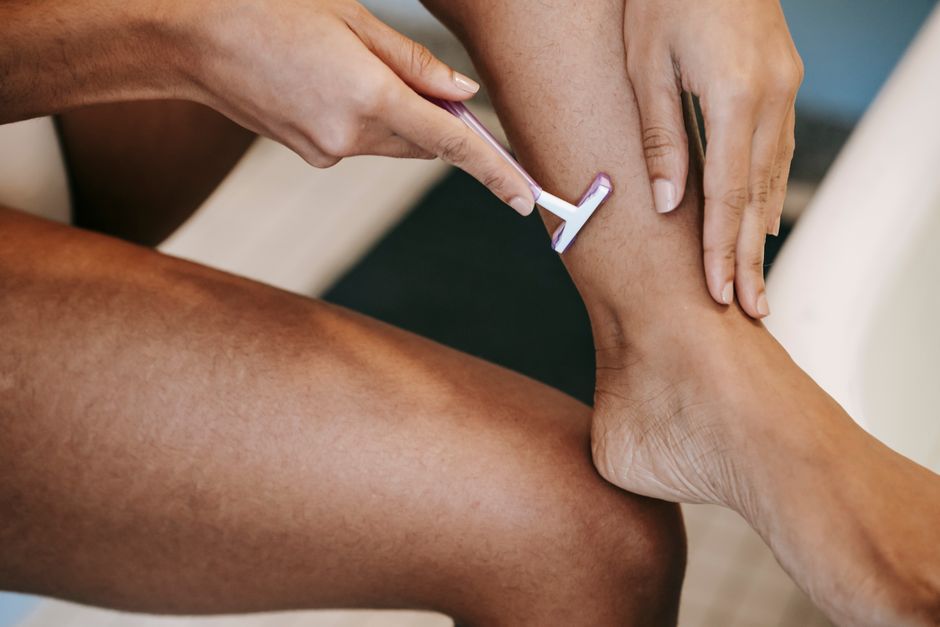
An ingrown hair happens when a strand curls back into the skin or grows sideways instead of up and out. The result is a small, raised bump that can look like a pimple and may itch or sting. Most ingrown hairs clear up on their own within a few days to a couple of weeks with simple home care, but an infected one needs closer attention.
The key difference is whether the bump is just inflamed or actually infected. Redness and tenderness alone point to irritation. Pus, spreading redness, and increasing pain point to infection. That distinction decides how you treat it.
What Is an Ingrown Hair and Why Does It Happen?
Hair grows from a follicle, a small pocket in the skin. When the sharp tip of a hair re-enters the skin or never breaks through the surface, the body treats it as a minor foreign object and responds with inflammation.
This reaction is why the bump looks and feels like a pimple. The skin around the follicle becomes red, swollen, and tender. Sometimes a small amount of pus collects, which does not automatically mean infection in the bacterial sense. Inflammation alone can produce a white head.
Ingrown hairs are most common in areas where hair is shaved, waxed, or plucked. That includes the face, neck, armpits, legs, pubic area, and buttocks. People with tightly curled or coarse hair are more prone to them, because a curved hair is more likely to bend back into the skin.
Shaving too close, shaving against the direction of growth, and dull razors all raise the risk. Tight clothing that rubs the skin can also push hairs inward. These are mechanical causes, not hygiene failures.
How Do You Tell If an Ingrown Hair Is Infected?
An infected ingrown hair usually shows signs that go beyond simple irritation. The most reliable signals are pus that drains or collects under the skin, redness that spreads outward from the bump, and pain that gets worse instead of better over a day or two.
Warmth around the area is another sign. So is swelling that grows larger. A bump that stays the same size and slowly fades is likely just inflamed. A bump that is expanding, throbbing, or leaking thick yellow or green fluid is more concerning.
There is a real limit to what you can judge at home. Several skin conditions can look like an infected ingrown hair, including folliculitis, a boil, and cystic acne. Folliculitis is inflammation or infection of the follicle itself, and it can look nearly identical. A boil is a deeper, walled-off pocket of pus. Because these look so similar, a bump that is not improving deserves a clinician’s eyes rather than a confident self-diagnosis.
Seek medical care promptly if you notice any of the following:
- Redness spreading rapidly or forming streaks
- Fever or chills
- Increasing pain that interferes with daily activity
- A bump that keeps growing or becomes very hard
- Signs of infection in the genital or anal area
- Repeated infections in the same spot
- Any of these signs in someone with diabetes or a weakened immune system
Spreading redness, fever, and streaks can signal a deeper skin infection that needs prescription treatment. This is not a wait-and-see situation.
How To Treat An Ingrown Hair Infected Or Not
Treatment depends entirely on which one you have. For a bump that is inflamed but not infected, gentle home care is usually enough. For an infected one, the approach changes.
Home Care for a Non-Infected Ingrown Hair
Warm compresses are the standard first step. A clean cloth soaked in warm, not hot, water and held against the area for a few minutes several times a day can soften the skin and ease discomfort. This may help the hair work its way out on its own.
Keep the area clean with mild soap and water. Resist the urge to squeeze, pick, or dig at the bump. This is the single most common mistake. Picking pushes bacteria deeper and turns a minor irritation into a genuine infection. It also raises the risk of scarring and dark spots, especially on darker skin tones.
If a hair loop is clearly visible at the surface, a sterilized tweezers or needle can sometimes lift it free. Do not dig under the skin for a hair you cannot see. If it is not visible, leave it alone.
Moisturizing helps keep the skin soft so hairs are less likely to catch. Some over-the-counter products contain salicylic acid or glycolic acid, which can gently exfoliate the skin. Evidence for these specific products on ingrown hairs is limited, though exfoliation is a widely used approach. They can also irritate sensitive skin, so use them with care and stop if the area gets worse.
Treatment for an Infected Ingrown Hair
If the bump is infected, home care alone may not be enough. Keep using warm compresses, which can help drain a superficial infection, but do not squeeze it. Let any pus drain on its own.
Over-the-counter antibiotic ointments are commonly used on minor skin infections. Whether they help an infected ingrown hair specifically is not well established, and many minor infections clear without them. If you use one, follow the label and stop if the skin reacts.
When infection is more than skin-deep, a clinician may prescribe a topical or oral antibiotic. Some infected or recurring bumps need to be drained in a medical setting. This is a minor procedure, but it should be done by a professional, not at home. Draining a boil yourself can spread the infection.
One point worth knowing: an ingrown hair that keeps coming back in the same spot may be a chronic follicle problem rather than a one-time event. Recurring cases sometimes need a different plan, including changes to hair removal or, in some cases, treatments a dermatologist provides.





What Helps Prevent Ingrown Hairs?
Prevention focuses on how hair is removed and how the skin is treated afterward. These steps reduce the chance a hair bends back into the skin.
- Shave in the direction the hair grows, not against it
- Use a sharp, clean razor and replace it often
- Wet the skin and use shaving cream or gel before shaving
- Exfoliate gently a day or two after shaving to help hairs surface
- Avoid tight clothing that rubs the skin
- Consider trimming or laser hair removal if ingrown hairs are frequent
Laser hair removal reduces the hair itself, which removes the source of the problem. It is one of the more effective options for people who get ingrown hairs repeatedly, though it requires multiple sessions and does not work equally well for all hair and skin types.
Waxing and plucking can help some people and worsen the problem for others. Pulling hair out by the root can leave a sharp new tip that grows back into the skin. If one method keeps causing bumps, switching methods is reasonable.
When Should You See a Doctor?
See a doctor if the bump is not improving after several days of home care, if it is getting worse, or if you have any of the warning signs listed earlier. Fever, spreading redness, and streaks are reasons to seek care the same day.
Also see a clinician if the bump is in the genital or anal area, if you get infections often, or if you have diabetes or a condition that weakens your immune system. In these situations, what looks minor can progress faster.
There is no single timeline that fits everyone, because healing depends on the size and depth of the problem. A superficial ingrown hair may settle in a few days. A deeper infected one can take longer and may need treatment. If you are unsure which you have, that uncertainty itself is a good reason to get it checked rather than guess.
Frequently Asked Questions
How do I know if my ingrown hair is infected?
Signs of infection include pus, spreading redness, warmth, and pain that gets worse over a day or two. A bump that stays the same size and slowly fades is more likely just inflamed.
Should I pop an infected ingrown hair?
No. Squeezing or digging at the bump can push bacteria deeper and turn a minor problem into a serious infection. Let any pus drain on its own and use warm compresses instead.
How long does an ingrown hair take to go away?
A mild ingrown hair often clears within a few days to a couple of weeks. An infected one may take longer and can need medical treatment, so see a clinician if it is not improving.
When should I see a doctor for an ingrown hair?
See a doctor if the bump is getting worse, if you have fever or spreading redness, or if it is in the genital or anal area. Recurring infections in the same spot also warrant a medical visit.
