
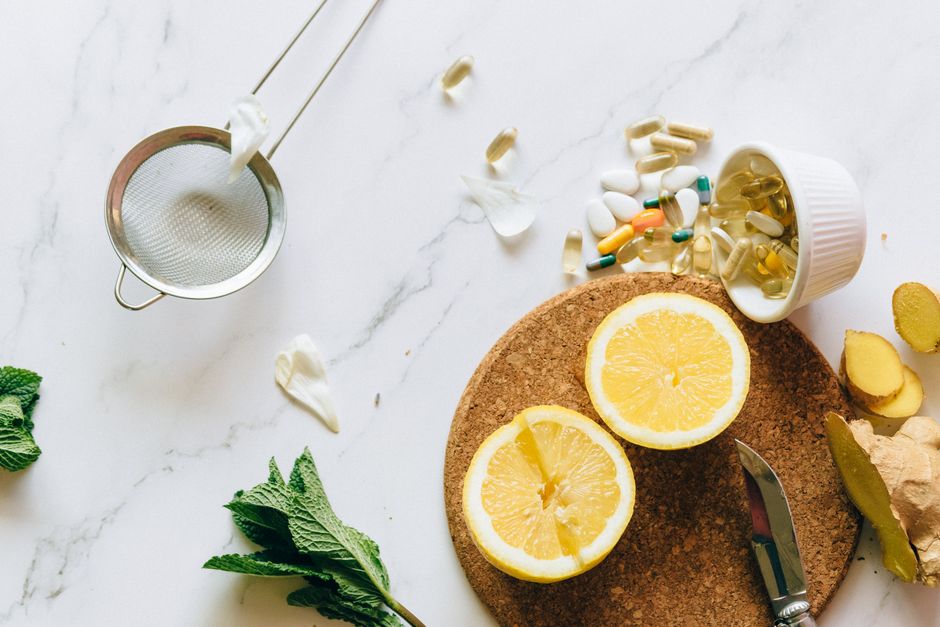
There is no single tea that has been proven to prevent illness or boost immunity in a meaningful way. The teas most often studied for immune-related effects are green tea, black tea, ginger tea, and echinacea tea. Each contains compounds with documented biological activity, but “activity in a lab” and “fewer colds in real life” are very different claims.
What follows is an honest look at what research actually shows — and where the evidence runs out.
What Tea Is Good For The Immune System?
Green tea has the strongest body of research behind it. It contains catechins, a class of plant compounds that include epigallocatechin gallate (EGCG). Laboratory studies consistently show that catechins can interfere with viral replication and modulate certain immune cell functions. Whether drinking green tea produces the same effect in a living human body at normal consumption levels is not well established.
Black tea contains similar compounds, though the fermentation process changes them. Theaflavins and thearubigins replace much of the catechin content. Some research suggests these compounds also have immune-relevant activity, but the evidence is thinner than for green tea.
Ginger tea is widely used for colds and sore throats. Ginger contains gingerols and shogaols, which have demonstrated anti-inflammatory effects in laboratory and some small human studies. This does not mean ginger tea prevents infection. It means it may modestly ease certain symptoms, which is a different claim.
Echinacea tea is probably the most directly marketed for immune support. The clinical evidence is genuinely mixed. Some trials have found a small reduction in cold duration or severity. Others have found no difference from placebo. The results vary by preparation, dose, and the specific echinacea species used. No large, consistent body of evidence supports it as a reliable immune booster.
Here is the honest summary: no tea has been shown in well-controlled human trials to strengthen immune function in a way that reliably prevents infection. Some teas contain compounds with immune-relevant activity. That is not the same thing.
How Does Tea Affect the Immune System?
The immune system is not a single switch you can flip. It is a network of cells, proteins, and signaling molecules that constantly patrol, identify, and respond to threats. “Boosting” it is not a meaningful goal. An overactive immune system causes allergies and autoimmune disease. What matters is balance and appropriate response.
Tea compounds may influence this system in a few ways that researchers have documented:
- Antioxidant activity: Polyphenols in tea can neutralize free radicals, which are unstable molecules that can damage cells. This is well established in laboratory settings.
- Modulation of immune cells: Some studies show that tea catechins can affect the activity of T cells and natural killer cells. Most of this research is in cell cultures or animals, not humans.
- Anti-inflammatory effects: Certain compounds in tea, particularly EGCG and gingerols, can reduce inflammatory signaling in laboratory models. Human relevance is less clear.
- Gut microbiome interaction: Tea polyphenols may influence the composition of gut bacteria. The gut plays a significant role in immune function. This is an active area of research but not yet well understood in humans.
A non-obvious point: much of the immune-related research on tea uses concentrated extracts at doses far higher than what you get from steeping a tea bag. Drinking a cup of green tea delivers a small fraction of the catechin dose used in many laboratory experiments. This gap between lab conditions and real-world consumption is a central reason the evidence is weaker than headlines suggest.
Which Tea Has the Most Research Behind It?
Green tea. That is not a close call.
Green tea has been studied more extensively than any other tea for immune-related outcomes. Research published in journals including Nutrients and the Journal of the American College of Nutrition has examined its effects on immune markers, infection rates, and inflammatory pathways. Some studies have found that green tea consumption is associated with fewer self-reported cold and flu symptoms. Others have found no significant difference.
The inconsistency matters. When studies disagree, it usually means the effect — if it exists — is small, or that the studies are measuring different things in different populations.
Black tea has also been studied, though less. One line of research has looked at whether black tea affects the body’s gamma-delta T cells, a type of immune cell that helps fight infection. Some findings suggest a possible effect. This research is not large or consistent enough to draw firm conclusions.
Herbal teas like chamomile, peppermint, and rooibos are often marketed as immune-supporting. The evidence for immune-specific effects is very limited for most of these. Chamomile has mild anti-inflammatory properties. Peppermint can help with congestion. Neither has been shown to strengthen immune function.





Does Drinking Tea Actually Prevent Colds or Flu?
No tea has been proven to prevent colds or flu. That is the straightforward answer.
The common cold is caused by hundreds of different viruses, most commonly rhinoviruses. Influenza is caused by influenza viruses. No beverage has been shown in controlled trials to prevent infection from these viruses.
Some research suggests that certain tea compounds may interfere with viral entry into cells in laboratory conditions. This is interesting science. It is not evidence that drinking tea prevents you from getting sick.
What tea can do is help with hydration and comfort. Warm liquids can soothe a sore throat and help loosen mucus. This is symptomatic relief, not immune prevention. The distinction matters because marketing often blurs it.
If you want to reduce your risk of respiratory infection, the evidence-supported steps are different: handwashing, avoiding close contact with sick people, adequate sleep, and vaccination where applicable. Tea is not on that list.
What About Echinacea, Elderberry, and Other Herbal Teas?
These are the teas most aggressively marketed for immune support. The evidence is weaker than the marketing suggests.
Echinacea: Clinical trials have produced mixed results. Some show a modest reduction in cold duration — often by about a day or less. Others show no benefit. A 2014 review of the evidence concluded that echinacea products varied so much in composition that drawing general conclusions was difficult. It is not a reliably effective treatment.
Elderberry: Often sold as syrup or lozenges rather than tea, elderberry has some small trials suggesting it may reduce cold and flu duration. The studies are generally small and some have been criticized for methodological issues. The evidence is not strong enough to call it proven.
Ginger: Has genuine anti-inflammatory compounds. May help with nausea and sore throat discomfort. Not shown to prevent or shorten infections.
Turmeric: Contains curcumin, which has anti-inflammatory properties. Absorption from tea is poor without added fat and black pepper. Immune-specific benefits are not established.
Licorice root: Contains compounds with antiviral activity in laboratory studies. Can raise blood pressure and cause other side effects with regular use. Not recommended for people with hypertension or heart conditions.
Are There Risks to Drinking Tea for Immune Support?
For most people, drinking tea is safe and may have modest health benefits unrelated to immunity, such as cardiovascular effects that have been studied for green tea.
Some cautions are worth knowing:
- Licorice root tea can raise blood pressure and lower potassium levels with regular consumption. People with heart disease, kidney disease, or high blood pressure should avoid it.
- Green tea extracts in high-dose supplement form have been linked to liver damage in rare cases. Drinking green tea as a beverage has not shown this risk.
- Tea can reduce iron absorption from plant sources when consumed with meals. If you have iron deficiency, drink tea between meals rather than with food.
- Herbal teas during pregnancy are not automatically safe. Some herbs can affect uterine tone or hormone levels. No clinical guidelines currently exist for safe consumption levels of most herbal teas during pregnancy. Check with a healthcare provider.
- Tea and medications: Some tea compounds can interact with certain drugs, including blood thinners. If you take prescription medication, ask a pharmacist before adding herbal teas to your routine.
These risks are not reasons to avoid tea. They are reasons to pay attention to what kind you drink and how much.
Does Adding Honey, Lemon, or Ginger Make Tea More Effective?
Honey can soothe a sore throat by coating irritated tissue. This is a real physical effect, not an immune one. The American Academy of Pediatrics recommends honey for cough in children over age 1. Honey should never be given to infants under 12 months due to the risk of infant botulism.
Lemon adds vitamin C. Vitamin C does not prevent colds in most people. Research has consistently found that regular vitamin C supplementation does not reduce cold incidence in the general population. It may slightly reduce cold duration in some people, but the effect is small.
Ginger adds compounds with anti-inflammatory activity. May help with nausea and throat comfort. Not an immune booster.
Adding these ingredients can make tea more pleasant and may help you feel better when you are sick. That is worth something. It is not the same as strengthening your immune system.
What Actually Supports Immune Function?
The immune system depends on things that have nothing to do with tea.
Sleep is one of the most well-established factors. Research consistently shows that people who sleep fewer hours are more likely to get sick after exposure to viruses. The relationship is strong and reproducible.
Nutrition matters. Deficiencies in zinc, vitamin D, vitamin C, and other nutrients impair immune function. Correcting a deficiency helps. Taking high doses when you are not deficient generally does not.
Physical activity at moderate levels supports immune surveillance. Extreme endurance exercise temporarily suppresses some immune markers.
Chronic stress raises cortisol, which can suppress immune function over time. Managing stress is not vague advice — it has measurable effects on immune parameters.
Tea can be part of a healthy routine. It hydrates. It contains compounds with biological activity. It is enjoyable. But it is not a substitute for the fundamentals, and no tea has been shown to do what sleep, nutrition, and stress management do for immune function.
Frequently Asked Questions
What is the best tea for your immune system?
Green tea has the most research behind it for immune-related effects. However, no tea has been proven in human trials to prevent infection or significantly strengthen immune function.
Does green tea boost immunity?
Green tea contains catechins that show immune-relevant activity in laboratory studies. Whether drinking green tea produces meaningful immune benefits in humans is not well established.
Can tea prevent colds?
No tea has been shown in controlled trials to prevent colds. Warm tea can soothe symptoms like sore throat, but that is comfort, not prevention.
Is echinacea tea effective for immune support?
Clinical evidence on echinacea is mixed, with some trials showing modest reductions in cold duration and others showing no benefit. It is not a reliably proven treatment.
