
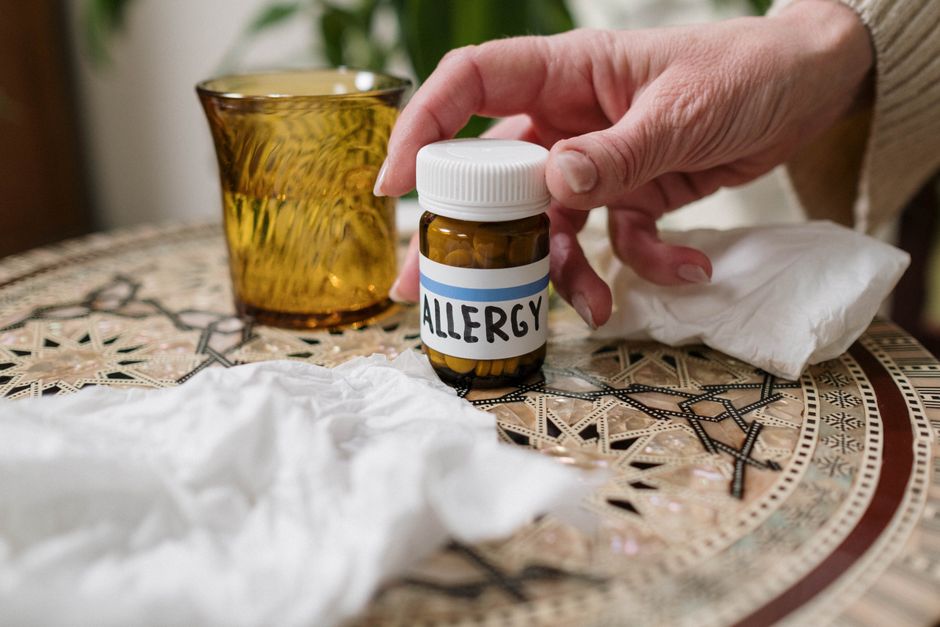
Allergy desensitization works by repeatedly exposing your immune system to the thing it mistakenly attacks. Over time, this retrains the immune response — shifting it away from the allergic reaction and toward tolerance. It does not happen overnight, and it does not work for everyone, but the underlying biology is well documented.
If you have allergies, your immune system has essentially mislabeled a harmless substance — pollen, pet dander, dust mites, certain foods — as a threat. Desensitization, also called immunotherapy, gradually changes that mislabeling. The result is fewer symptoms, less medication, and in some cases, lasting tolerance that continues after treatment stops.
What Happens in Your Immune System During an Allergic Reaction?
An allergic reaction starts with a case of mistaken identity. Your immune system identifies a harmless protein — say, birch pollen — as dangerous. It then produces antibodies called immunoglobulin E, or IgE, specifically designed to recognize that protein.
Those IgE antibodies attach to the surface of mast cells and basophils, two types of immune cells packed with histamine and other inflammatory chemicals. On their own, these primed cells cause no symptoms. They just sit there, waiting.
The next time you encounter that pollen, the protein binds to the IgE on those cells. This triggers the cells to release histamine and similar compounds all at once. That release is what causes sneezing, itchy eyes, a runny nose, hives, or in severe cases, anaphylaxis.
This process is called sensitization. Once it happens, your immune system treats that substance as an enemy, often for years or decades.
How Allergy Desensitization Changes Your Immune Response?
Desensitization interrupts that cycle by exposing your immune system to the allergen in a controlled, escalating way. The key word is controlled. Instead of a large, sudden exposure that triggers symptoms, you get small, regular doses that the immune system can handle.
Over weeks and months, several measurable changes occur:
- IgE levels can decline. The specific antibodies driving your allergic reaction often decrease over the course of treatment, though this varies by person and allergen.
- IgG antibodies increase. A different class of antibodies, particularly IgG4, rises. These appear to act as blocking antibodies, intercepting the allergen before it can reach IgE on mast cells.
- Mast cells become less reactive. They release fewer inflammatory chemicals when they encounter the allergen.
- Regulatory T cells expand. These immune cells act as brakes on allergic inflammation, signaling the immune system to stand down.
The net effect is a shift from an allergic response toward tolerance. Your immune system still recognizes the substance, but it no longer treats it as a threat. Some research suggests this shift involves changes in how immune cells are programmed, not just temporary suppression of symptoms.
What Are the Main Types of Allergy Desensitization?
There are two established approaches, and they differ mainly in how the allergen is delivered.
Subcutaneous immunotherapy (SCIT) involves regular injections of the allergen under the skin, typically given in a clinic. Treatment usually starts with a buildup phase — shots once or twice a week for several months — followed by a maintenance phase with shots spaced further apart, often every two to four weeks for three to five years.
Sublingual immunotherapy (SLIT) uses tablets or drops placed under the tongue, usually taken at home daily. It is approved in the United States for certain allergens, including grass pollen, ragweed, and dust mites. It carries a lower risk of severe reactions than injections, but it still requires medical supervision to start.
Both approaches aim for the same immune changes. The choice between them depends on the allergen, your health history, and practical factors like whether you can commit to clinic visits.
How Long Does It Take to See Results?
Desensitization is slow by design. Most people notice some improvement within the first few months, but meaningful, sustained relief typically takes longer.
Clinical guidelines generally describe a treatment course of three to five years for injections. Some people experience lasting benefit after stopping. Others see symptoms return, particularly if they have multiple allergies or ongoing high exposure to the allergen.
Sublingual immunotherapy follows a similar timeline. The tablets are usually taken daily for at least three years. Improvement may begin within weeks for some people, but the full effect builds gradually.
This is not a quick fix. It is a long-term strategy. If you are looking for relief within days, medication is a better fit. Desensitization is for people willing to invest years for potentially lasting change.
Who Is a Candidate for Allergy Desensitization?
Desensitization is most commonly used for allergic rhinitis (hay fever), allergic asthma triggered by specific allergens, and insect sting allergies. It is also used for some food allergies, though this is a more specialized area with different protocols and risks.
Good candidates typically:
- Have confirmed allergies through testing (skin prick or blood tests)
- Have symptoms that are not well controlled by medication or that require daily medication
- Can commit to a multi-year treatment plan
- Are willing to accept the risk of allergic reactions during treatment
Desensitization is not for everyone. People with certain heart conditions, uncontrolled asthma, or autoimmune disorders may not be suitable candidates. Pregnancy is another consideration — treatment is often not started during pregnancy, though it may be continued if already underway under medical guidance.
For food allergies specifically, oral immunotherapy (OIT) has gained attention. It involves eating small, increasing amounts of the allergenic food under medical supervision. Some studies show it can raise the threshold at which a reaction occurs, meaning a person can tolerate more of the food before reacting. But it does not cure the allergy, and it carries real risks, including severe reactions. This should only be done under the care of an allergist.
What Are the Risks and Limitations?
Desensitization is not risk-free. Local reactions — redness, swelling, or itching at the injection site — are common and usually mild. Systemic reactions, including anaphylaxis, are rare but possible, which is why injections are given in a setting where reactions can be treated immediately.
Sublingual immunotherapy has a lower risk of severe reactions, but it can cause mouth itching, swelling under the tongue, or throat irritation. These usually lessen over time.
The bigger limitation is that desensitization does not work for everyone. Some people complete years of treatment and see only modest improvement. Others see symptoms return after stopping. And for some allergens, no approved desensitization treatment exists.
It also does not replace emergency medication for severe allergies. If you carry an epinephrine auto-injector, you should continue to do so unless your allergist advises otherwise.
How Does Desensitization Compare to Medication?
Medications like antihistamines and nasal corticosteroids manage symptoms. They work quickly and can be taken as needed. But they do not change the underlying immune response. When you stop taking them, symptoms typically return.
Desensitization aims to change the immune response itself. It takes longer and requires more commitment, but the goal is lasting tolerance rather than temporary relief. For some people, this means fewer symptoms for years after treatment ends.
These approaches are not mutually exclusive. Many people use medication during desensitization, especially early on, and reduce it as the immune system responds.
Frequently Asked Questions
How long does allergy desensitization take to work?
Most people begin to notice improvement within a few months, but full effects typically take three to five years of treatment. Some people experience lasting relief after stopping, while others see symptoms return.
Can allergy shots cure allergies permanently?
No, desensitization does not cure allergies, but it can lead to long-lasting tolerance in some people. Research shows that benefits may persist for years after treatment ends, though this varies.
What is the difference between allergy shots and sublingual immunotherapy?
Allergy shots deliver the allergen under the skin in a clinic, while sublingual immunotherapy uses tablets or drops under the tongue at home. Both aim to change the immune response, but shots are generally considered more potent and carry a higher risk of systemic reactions.
Is allergy desensitization safe for children?
Yes, both injection and sublingual immunotherapy are used in children, typically under the guidance of a pediatric allergist. The decision depends on the child’s age, allergy type, and overall health.
