
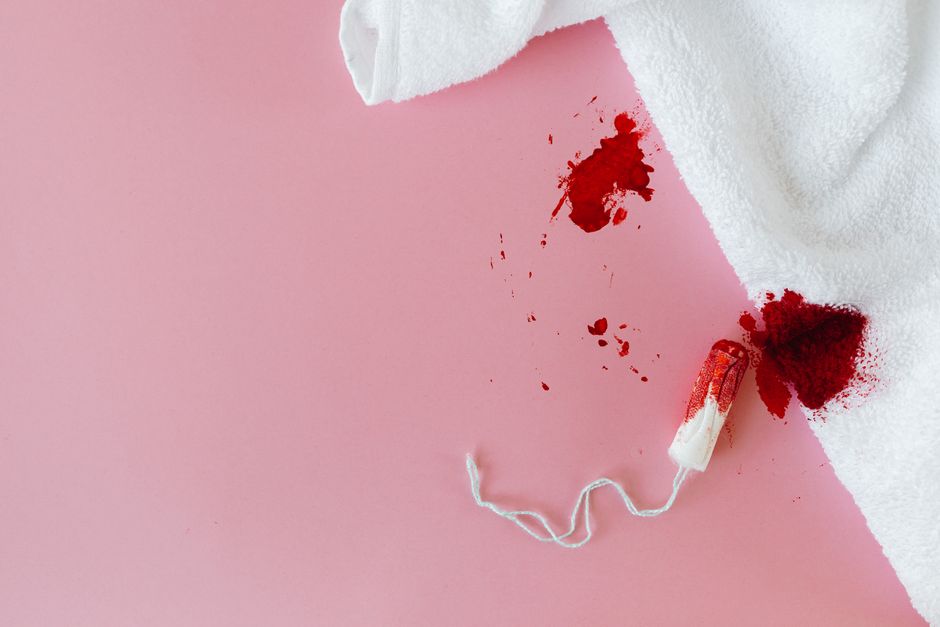
Blood stains are among the most common and frustrating stains to deal with. The good news is that blood is usually removable, especially if you act quickly. Cold water and a little bit of soap are the first line of defense for most fresh stains. For dried or stubborn stains, a few proven household products like hydrogen peroxide or enzymatic cleaners can do the job. The key is to use the right method for the fabric and to avoid heat until the stain is completely gone.
Why Cold Water Works Best on Blood Stains
Blood contains a protein called hemoglobin. This protein carries oxygen and gives blood its red color. Like many proteins, hemoglobin reacts to heat. When you wash a blood stain in warm or hot water, the heat causes the protein to bind tightly to the fabric fibers. Once that happens, the stain becomes much harder to remove.
Cold water does the opposite. It keeps the protein from setting into the fibers. This is why the first rule of blood stain removal is simple: use cold water only. Hot water will permanently set the stain in most cases.
For fresh stains, rinse the fabric under a stream of cold running water. Hold the fabric so the water pushes the blood out from the back of the stain rather than through it. This helps lift the blood away from the fibers instead of driving it deeper. Continue rinsing until the water runs clear.
The Best Household Products for Blood Stains
Several common household items are effective at breaking down blood stains. Each works slightly differently, and some are better suited to certain fabrics than others.
Plain Cold Water and Soap
For fresh stains, plain cold water and a mild liquid soap are often all you need. Dish soap or a gentle laundry detergent works well. Apply a small amount of soap directly to the stain, gently rub the fabric against itself, and rinse with cold water. Repeat until the stain lifts. This method is safe for most washable fabrics.
Hydrogen Peroxide
Hydrogen peroxide is one of the most effective blood stain removers available. It breaks down the proteins in blood and lifts the color from the fabric. It works on both fresh and dried stains.
To use it, pour a small amount of 3% hydrogen peroxide directly onto the stain. You will see it bubble and foam as it works. Let it sit for a few minutes, then blot with a clean cloth. Rinse thoroughly with cold water. Hydrogen peroxide can bleach some fabrics, so test it on an inconspicuous area first. It is generally safe for white and colorfast fabrics but should not be used on silk or wool.
Enzymatic Cleaners
Enzymatic cleaners contain proteins that specifically target and break down organic stains like blood. These are the same products often recommended for pet stains and bodily fluids. They work well on dried blood stains that have already set. Apply the cleaner according to the product instructions, let it sit for the recommended time, then launder as usual. These products are widely available in grocery stores and online.
Baking Soda Paste
A paste made from baking soda and cold water can help lift blood stains from surfaces and some fabrics. Mix three parts baking soda with one part cold water to form a thick paste. Apply it to the stain, let it dry, then brush it off and rinse. This method works best on lighter stains and is a good option for delicate surfaces where harsher chemicals are not appropriate.
How to Remove Dried Blood Stains
Dried blood stains require more effort than fresh ones. The protein has had time to bond with the fabric, but removal is still possible with the right approach.
Start by soaking the stained fabric in cold water for at least 30 minutes. This rehydrates the blood and loosens its grip on the fibers. After soaking, apply hydrogen peroxide or an enzymatic cleaner directly to the stain. Let it sit for 10 to 15 minutes, then gently rub the fabric together. Rinse with cold water and repeat if necessary.
For very old or stubborn dried stains, you may need multiple treatments. Do not put the fabric in the dryer until the stain is completely gone. The heat from the dryer will permanently set any remaining stain.




What Not to Do When Removing Blood Stains
A few common mistakes can ruin both the fabric and your chances of removing the stain. Avoid these at all costs.
Never use hot water. Heat sets the protein in blood and makes the stain permanent. This is the single most important rule in blood stain removal.
Do not rub the stain vigorously. Rubbing can push the blood deeper into the fibers and spread the stain to surrounding fabric. Blot or gently rub instead.
Avoid the dryer until the stain is gone. The heat of the dryer will set any remaining blood residue. Check the stain after washing, and if any trace remains, treat it again before drying.
Do not use chlorine bleach on blood stains. Chlorine bleach can react with the proteins in blood and actually make the stain worse. It can also damage many fabrics. Stick with hydrogen peroxide or enzymatic cleaners instead.
Removing Blood Stains from Different Fabrics
Not all fabrics respond to the same treatment. The fabric type should guide your approach.
Cotton and linen are durable and can handle hydrogen peroxide and enzymatic cleaners. These fabrics tolerate repeated treatments well. Synthetic fabrics like polyester and nylon are also fairly resilient. Cold water and soap usually work, and hydrogen peroxide is generally safe.
Silk and wool are delicate protein-based fabrics. Hydrogen peroxide can damage them. For these fabrics, stick with cold water and a gentle detergent. Enzymatic cleaners may also be too harsh. Test any product on a hidden area first. If the stain is extensive, professional cleaning may be the safest option.
Upholstery and carpets require a different approach. Blot the stain with a clean cloth soaked in cold water. Work from the outside of the stain toward the center to prevent spreading. For stubborn stains, a small amount of dish soap mixed with cold water can help. Blot, do not rub, and avoid soaking the fabric or padding underneath.
When to Seek Professional Help
Some blood stains are too difficult to handle at home. If a stain is on a delicate fabric like silk, or if it is on an item that cannot be washed in water, professional cleaning is the right call. Professional cleaners have access to specialized solvents and techniques that are not available to consumers.
Large or deeply set stains on mattresses, upholstery, or carpet may also require professional equipment. If you have tried cold water, hydrogen peroxide, and an enzymatic cleaner without success, further home treatment is unlikely to work. Continuing to treat the stain can damage the fabric. At that point, professional help is the practical choice.
What Takes Out Blood Stains on Mattresses and Upholstery
Blood stains on mattresses and upholstery are common, especially in households with children or pets. The approach is similar to fabric stains but requires more care because you cannot soak the item.
Start by blotting the stain with a cold, damp cloth. Press down firmly to absorb as much blood as possible. For dried stains, apply a small amount of hydrogen peroxide and let it bubble for a few minutes. Blot with a clean cloth. Repeat until the stain lifts. Be careful not to oversaturate the mattress or upholstery, as excess moisture can lead to mold or damage the padding underneath.
Baking soda paste is another option for these surfaces. Apply the paste, let it dry completely, then vacuum it up. This method is gentler and less likely to damage the material.
Frequently Asked Questions
Does hot water set blood stains?
Yes. Heat causes the proteins in blood to bind tightly to fabric fibers, making the stain much harder to remove. Always use cold water for blood stains.
Can hydrogen peroxide remove old blood stains?
Yes, hydrogen peroxide is effective on both fresh and dried blood stains because it breaks down the proteins in blood. Test it on a hidden area first since it can bleach some fabrics.
Will blood stains come out after drying?
Dried blood stains are harder to remove but not impossible. Soak the fabric in cold water, then treat with hydrogen peroxide or an enzymatic cleaner before washing.
What is the best product for blood stains on clothes?
Enzymatic cleaners are highly effective because they specifically target organic stains like blood. For fresh stains, cold water and mild soap often work just as well.
