
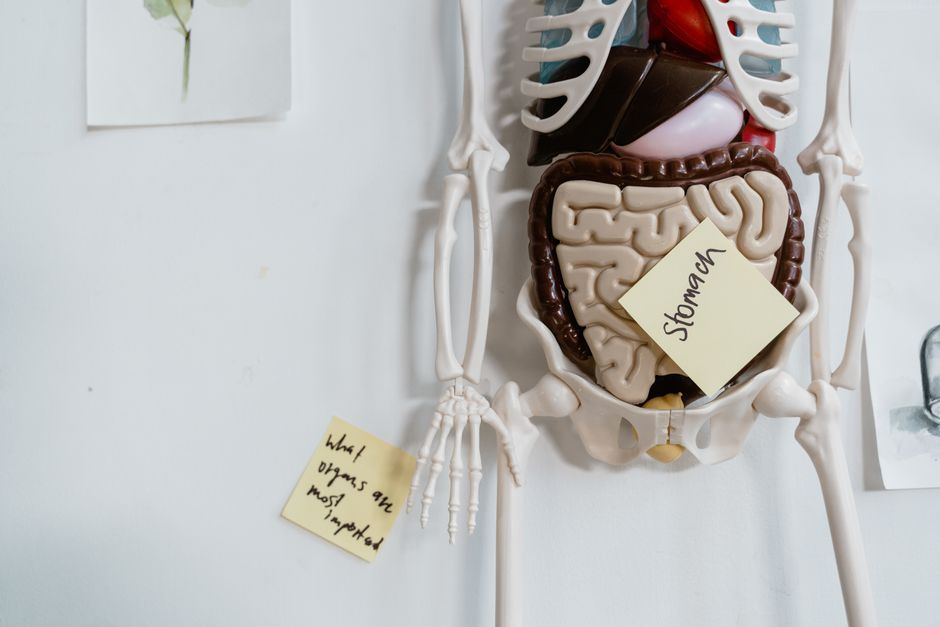
The digestive system does not work alone. It depends on the nervous system, the circulatory system, the endocrine system, the immune system, the muscular system, and the lymphatic system to break down food, absorb nutrients, and move waste out of the body. Each of these systems contributes something the digestive tract cannot do by itself, and when one of them falters, digestion often suffers in ways that are easy to notice.
What Systems Work with the Digestive System?
The digestive tract is a long tube supported by a network of other organ systems. Food travels through it, but the process of turning a meal into usable energy involves far more than the stomach and intestines.
Here is how the main partner systems contribute:
- Nervous system: Controls muscle contractions that push food along and triggers digestive secretions.
- Circulatory system: Carries absorbed nutrients from the intestines to the liver and then to the rest of the body.
- Endocrine system: Releases hormones that regulate appetite, acid production, and the speed of digestion.
- Immune system: Guards the gut lining against harmful bacteria and other pathogens.
- Muscular system: Provides the voluntary and involuntary movements used in chewing and in peristalsis.
- Lymphatic system: Absorbs fats and fat-soluble vitamins through small vessels in the small intestine.
Each system has a specific job. None of them is optional. The gut can be thought of as the hub, but it needs constant input from the brain, blood vessels, hormones, and immune cells to keep working.
How Does the Nervous System Control Digestion?
The nervous system manages digestion through two connected networks. One is the enteric nervous system, a web of nerve cells embedded in the walls of the gut itself. The other is the central nervous system, which includes the brain and spinal cord.
The enteric nervous system is sometimes called the “second brain” because it can regulate digestion somewhat independently. It contains millions of neurons that control muscle contractions, blood flow to the gut, and the release of digestive juices. Even so, it does not act alone. The vagus nerve, a major pathway between the brain and the gut, carries signals in both directions.
This explains why stress can affect digestion. When the body is under pressure, the sympathetic nervous system shifts resources away from digestion and toward the muscles and heart. Blood flow to the gut drops. Digestion slows. Over time, chronic stress is associated with symptoms like bloating, changes in bowel habits, and discomfort. The relationship is well established, though the exact mechanisms in conditions like irritable bowel syndrome are still being studied.
The brain also influences hunger and fullness. Signals from the gut, including stretch receptors in the stomach and hormone signals from the intestines, tell the brain when to start and stop eating.
What Role Does the Circulatory System Play in Digestion?
Once nutrients cross the lining of the small intestine, they enter the bloodstream. From there, the circulatory system takes over.
Blood from the digestive organs does not go straight to the heart. It first travels through the hepatic portal vein to the liver. The liver processes and stores many of the nutrients before they reach the rest of the body. This is why liver health matters so much for nutrition. A damaged liver can struggle to handle the nutrient load coming from the gut.
Blood flow also supports the gut itself. The lining of the digestive tract is one of the most metabolically active tissues in the body. It needs a steady supply of oxygen and nutrients to repair itself and to keep producing enzymes and mucus. When blood flow to the gut is reduced, as can happen in certain medical conditions, the lining can become more vulnerable to injury.
Water-soluble nutrients like glucose and amino acids are absorbed directly into the blood. This is a key distinction from fat absorption, which uses a different route.





How Does the Digestive System Interact with the Endocrine System?
Hormones control nearly every stage of digestion. The endocrine system releases chemical messengers that tell the gut when to speed up, slow down, or release specific enzymes.
Several hormones play central roles:
- Gastrin: Signals the stomach to produce acid.
- Secretin: Tells the pancreas to release bicarbonate, which neutralizes stomach acid in the small intestine.
- Cholecystokinin (CCK): Triggers the release of digestive enzymes from the pancreas and bile from the gallbladder.
- Ghrelin: Increases appetite.
- Leptin: Signals fullness and helps regulate long-term energy balance.
These hormones come from cells in the stomach, small intestine, and pancreas. Some also come from fat tissue. The system works as a feedback loop. When food enters the stomach, gastrin rises. When fat and protein reach the small intestine, CCK and secretin rise. When nutrients are absorbed, hunger signals fall.
Problems with this system can cause real symptoms. For example, if the pancreas does not release enough enzymes, fats and proteins are not fully broken down. This can lead to fatty stools, weight loss, and nutrient deficiencies. Conditions like this are diagnosed and managed by clinicians, not by diet changes alone.
Why Is the Immune System Important for Gut Health?
The gut lining is one of the body’s main barriers between the outside world and the inside of the body. It has to let nutrients in while keeping harmful bacteria, viruses, and toxins out. The immune system is what makes that possible.
A large share of the body’s immune cells sit in the tissue just beneath the gut lining. These cells sample what passes through and decide whether to react. In a healthy gut, the immune system tolerates harmless food proteins and beneficial bacteria while attacking pathogens.
When this balance breaks down, problems can follow. Inflammatory bowel diseases like Crohn’s disease and ulcerative colitis involve an immune response against the gut itself. Celiac disease is an immune reaction to gluten that damages the small intestine. Food allergies involve immune reactions to specific proteins.
The gut microbiome, the community of bacteria and other microbes living in the digestive tract, interacts closely with the immune system. Research over the past two decades has shown that these microbes help train immune cells and influence inflammation. The field is still developing, and many specific claims about probiotics and immune health remain unproven in large human trials.
How Do the Muscular and Lymphatic Systems Help Digestion?
Digestion depends on movement. Chewing is voluntary and uses the muscles of the jaw and tongue. Swallowing is partly voluntary and partly reflexive. After that, peristalsis takes over. Peristalsis is a wave of muscle contractions that pushes food through the esophagus, stomach, and intestines.
Without this muscular activity, food would not move. Conditions that affect gut muscles, such as certain neurological disorders or connective tissue diseases, can slow or block digestion. Symptoms include nausea, bloating, and constipation.
The lymphatic system handles fat absorption. Most nutrients enter the blood, but fats and fat-soluble vitamins are packaged into particles called chylomicrons. These particles are too large to enter blood capillaries directly. Instead, they enter tiny lymphatic vessels called lacteals in the small intestine. From there, lymph carries them into the bloodstream through a large vein near the collarbone.
This is a non-obvious but important point. Fat absorption does not follow the same route as sugar or protein absorption. That is why certain lymphatic disorders can cause fat malabsorption and nutrient deficiencies even when the intestines look normal.
What Happens When These Systems Do Not Work Together?
When one system involved in digestion is disrupted, others often feel the effects. The connections are tight.
Some examples:
- Chronic stress can slow stomach emptying and alter bowel habits through the nervous system.
- Heart failure or circulatory problems can reduce blood flow to the gut and impair nutrient absorption.
- Pancreatic disease can block hormone and enzyme signals, leading to malabsorption.
- Immune disorders can damage the gut lining and cause chronic inflammation.
- Lymphatic blockage can prevent fat absorption and lead to deficiencies in vitamins A, D, E, and K.
These are not rare scenarios. They are well-documented in clinical practice. The takeaway is that digestive symptoms often have roots in systems outside the gut. A clinician evaluating persistent digestive problems may look at thyroid function, blood counts, hormone levels, and immune markers, not just the stomach and intestines.
This is also why treating digestive issues in isolation sometimes fails. If the underlying problem is hormonal, circulatory, or immune-related, addressing only the gut may not resolve symptoms.
Can Lifestyle Affect How These Systems Work Together?
Lifestyle factors influence the systems that support digestion. This is well established for some factors and less clear for others.
Physical activity supports healthy blood flow and muscle function, including the muscles used in digestion. Sleep affects hormone regulation, including appetite hormones. Chronic stress affects the nervous system’s control of the gut. Diet affects the microbiome and the immune system in the gut lining.
What is less clear is how much specific lifestyle changes can reverse established digestive diseases. For example, diet changes can help manage symptoms of irritable bowel syndrome in some people, but they do not cure the condition. Probiotics may help some people with certain digestive symptoms, but the evidence is mixed and strain-specific. No single lifestyle change has been shown to fix all digestive problems.
The honest position is that lifestyle supports normal function. It is not a substitute for medical evaluation when symptoms are persistent, severe, or accompanied by warning signs like unintended weight loss, blood in the stool, or difficulty swallowing.
Frequently Asked Questions
What systems work with the digestive system?
The nervous, circulatory, endocrine, immune, muscular, and lymphatic systems all work with the digestive system. Each one supports a different part of breaking down food, absorbing nutrients, or removing waste.
How does the nervous system affect digestion?
The nervous system controls muscle contractions in the gut and triggers the release of digestive juices. It also links stress and emotions to digestive symptoms through the vagus nerve and the enteric nervous system.
Why does the lymphatic system matter for digestion?
The lymphatic system absorbs fats and fat-soluble vitamins from the small intestine. Without it, these nutrients cannot reach the bloodstream properly.
Can stress really affect digestion?
Yes. Stress activates the sympathetic nervous system, which reduces blood flow to the gut and can slow digestion. Chronic stress is linked to symptoms like bloating and changes in bowel habits.
