
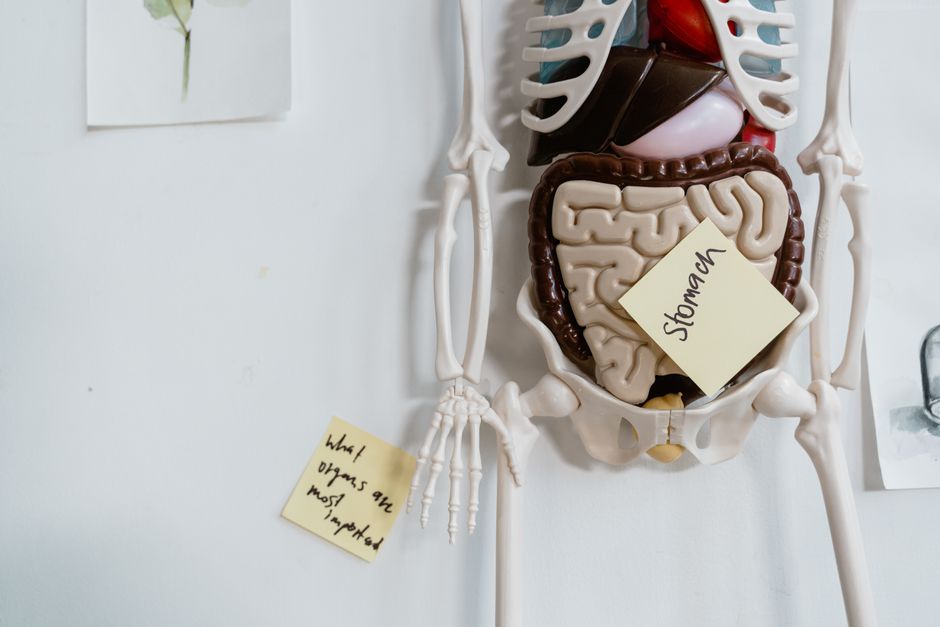
Your body processes everything you eat and drink through two systems that work as one continuous operation. The digestive system breaks food down, absorbs nutrients, and sends what is left into the bloodstream and bowel. The excretory system — mainly the kidneys, ureters, bladder, and urethra — filters the blood, removes metabolic waste, and controls fluid and electrolyte balance. Together they keep the internal environment stable while moving waste out of the body.
How Do The Digestive And Excretory Systems Work Together?
The connection is the bloodstream. Once nutrients are absorbed through the small intestine, they enter the blood and travel to the liver first, which processes them before they reach the rest of the body. That same blood also carries waste products from normal cell activity, and the kidneys filter it continuously.
So the two systems share a transport network. The digestive tract puts things into the blood; the kidneys take things out. Neither works in isolation. If kidney function drops, waste builds up in the blood and affects appetite, digestion, and how the gut feels. If the gut is damaged and absorbs poorly, the kidneys still filter — but they have less to work with and the body may lose fluid and electrolytes it needs.
This is why doctors rarely treat one system without thinking about the other. A person with chronic kidney disease often has digestive symptoms. A person with severe Crohn’s disease or celiac disease can develop kidney problems from dehydration or from the immune response itself.
What Does The Digestive System Actually Do With Your Food?
Digestion starts before you swallow. The sight and smell of food triggers saliva production, and saliva contains an enzyme called amylase that begins breaking down starch. Chewing breaks food into smaller pieces so enzymes can reach more surface area.
When you swallow, food moves down the esophagus into the stomach. The stomach produces hydrochloric acid and pepsin, which break down proteins and kill many bacteria. The stomach also churns food into a semi-liquid mixture called chyme. This usually takes a few hours, depending on what you ate.
From the stomach, chyme enters the small intestine — the main site of nutrient absorption. The small intestine is about 20 feet long in adults and has a surface lined with villi and microvilli, tiny finger-like projections that massively increase the area available for absorption. Most carbohydrates, proteins, fats, vitamins, and minerals are absorbed here.
The pancreas and gallbladder assist. The pancreas releases enzymes for fats, proteins, and carbohydrates, plus bicarbonate to neutralize stomach acid. The gallbladder stores bile from the liver and releases it to help digest fat.
What is not absorbed moves into the large intestine, or colon. The colon absorbs water and some electrolytes and hosts trillions of bacteria that ferment certain fibers. What remains becomes stool.
What Does The Excretory System Remove And Why Does It Matter?
The excretory system removes waste that cells produce during normal metabolism. The kidneys are the primary organs here. Each kidney contains roughly a million nephrons — tiny filtering units that process blood and produce urine.
The kidneys filter a large volume of blood plasma every day. Most of the water and useful substances are reabsorbed, and only a small fraction leaves the body as urine. This lets the kidneys fine-tune what stays and what goes.
What the kidneys remove:
- Urea — a waste product from protein breakdown
- Creatinine — from normal muscle activity
- Excess sodium, potassium, and other electrolytes
- Excess water
- Some drugs and their breakdown products
- Hormone byproducts and acids from metabolism
The kidneys also produce hormones. Erythropoietin signals the bone marrow to make red blood cells. Renin helps regulate blood pressure. Calcitriol is the active form of vitamin D, which matters for calcium balance and bone health.
The lungs, skin, and liver also excrete waste. The lungs remove carbon dioxide. Sweat glands release small amounts of water, salts, and urea. The liver processes and detoxifies many substances before they reach the kidneys. But the kidneys do the heavy lifting for metabolic waste.





How Does Blood Connect Digestion And Excretion?
Blood is the shared channel. After nutrients cross the intestinal wall, they enter the hepatic portal vein and go straight to the liver. The liver decides what to store, convert, or release. From there, blood circulates through the heart and reaches the kidneys.
The kidneys receive a large share of the blood the heart pumps each minute — roughly a fifth of cardiac output at rest, even though the kidneys are small organs. They filter this blood constantly, adjusting urine output based on hydration, blood pressure, and hormone signals.
This shared pathway explains why digestive and kidney problems often overlap:
- Vomiting or diarrhea can cause dehydration and reduce kidney filtration
- Poor protein absorption can lower blood protein levels and affect fluid balance
- Liver disease can change how the kidneys handle sodium and water
- Kidney failure causes waste to build up, which can reduce appetite and cause nausea
In severe liver disease, a condition called hepatorenal syndrome can develop, where kidney function declines even though the kidneys themselves are not directly damaged. That is a clear example of how tightly these systems depend on each other.
What Happens When One System Is Not Working Well?
When digestion fails, the kidneys feel it. Chronic diarrhea causes fluid and electrolyte loss. Potassium, sodium, and bicarbonate levels can drop or shift, and the kidneys must work harder to compensate. Over time, this can strain kidney function.
When kidneys fail, digestion suffers. Waste products accumulate in the blood — a state called uremia. Uremia commonly causes nausea, vomiting, loss of appetite, and a metallic taste in the mouth. Many people with advanced kidney disease develop malnutrition not because they are not eating, but because uremia suppresses appetite and alters how the gut works.
Some conditions sit at the crossroads:
- Diabetes can damage both the nerves controlling the gut (causing slow stomach emptying) and the small blood vessels in the kidneys
- Inflammatory bowel disease can lead to kidney stones and reduced kidney function in some patients
- Chronic kidney disease changes gut bacteria and can cause constipation or diarrhea
- Severe dehydration from any digestive illness can cause acute kidney injury
This overlap is why doctors treating one system often order tests for the other. A person with unexplained kidney decline may need a digestive workup. A person with persistent digestive symptoms may need kidney function checked.
How Does The Body Keep Water And Electrolytes Balanced?
Water balance is a joint effort. The gut absorbs water from food and drink. The kidneys decide how much to keep and how much to release as urine. Hormones coordinate the two.
Antidiuretic hormone (ADH), made in the brain and released by the pituitary gland, tells the kidneys to reabsorb more water. When you are dehydrated, ADH rises and urine becomes concentrated. When you drink plenty of fluids, ADH falls and urine becomes dilute.
Aldosterone, produced by the adrenal glands, tells the kidneys to keep sodium and release potassium. This affects blood pressure and fluid volume. Natriuretic peptides, released by the heart when blood volume is high, signal the kidneys to release more sodium and water.
The gut contributes by absorbing sodium, potassium, chloride, and water from food. The colon absorbs a significant amount of water from what remains after the small intestine has done its work. If the colon is inflamed or bypassed, water loss increases and the kidneys must compensate.
Electrolyte imbalances can be serious. Very low potassium can cause heart rhythm problems. Very low sodium can cause confusion and seizures. Very low bicarbonate can cause metabolic acidosis. These are the situations where the gut and kidneys must work together, and when either fails, the other has to pick up the slack.
What Does A Healthy Digestive And Excretory System Look Like?
A healthy system produces predictable signals. Regular bowel movements without straining. Urine that is pale yellow to amber, depending on hydration. No persistent pain, bloating, or changes in habits that last more than a few weeks.
What supports both systems is not complicated:
- Drinking enough water so urine stays pale
- Eating fiber from vegetables, fruits, legumes, and whole grains
- Getting regular movement, which supports gut motility and circulation
- Managing blood pressure and blood sugar, since both affect kidney health
- Limiting excessive salt and processed foods
- Avoiding unnecessary NSAID use, which can stress the kidneys
None of these are guarantees. They are habits associated with better outcomes in large population studies. Individual results vary, and genetics, medications, and existing conditions all play a role.
Warning signs worth checking with a doctor include blood in stool or urine, persistent vomiting or diarrhea, swelling in the legs or around the eyes, unexplained fatigue, and changes in urination frequency or color that last more than a few days.
Frequently Asked Questions
How do the digestive and excretory systems work together?
The digestive system absorbs nutrients into the blood, and the excretory system — mainly the kidneys — filters waste out of that same blood. They share the bloodstream as a transport route and depend on each other to keep the body’s internal environment stable.
Does poor digestion affect kidney function?
Yes, in some cases. Severe or prolonged diarrhea and vomiting can cause dehydration and electrolyte loss, which reduces kidney filtration and, if severe, can lead to acute kidney injury.
What organs are part of the excretory system?
The kidneys, ureters, bladder, and urethra are the main organs. The lungs, skin, and liver also remove waste products, but the kidneys do most of the work for metabolic waste.
Can kidney problems cause digestive symptoms?
Yes. When kidney function declines, waste products build up in the blood, which commonly causes nausea, vomiting, loss of appetite, and a metallic taste.
