
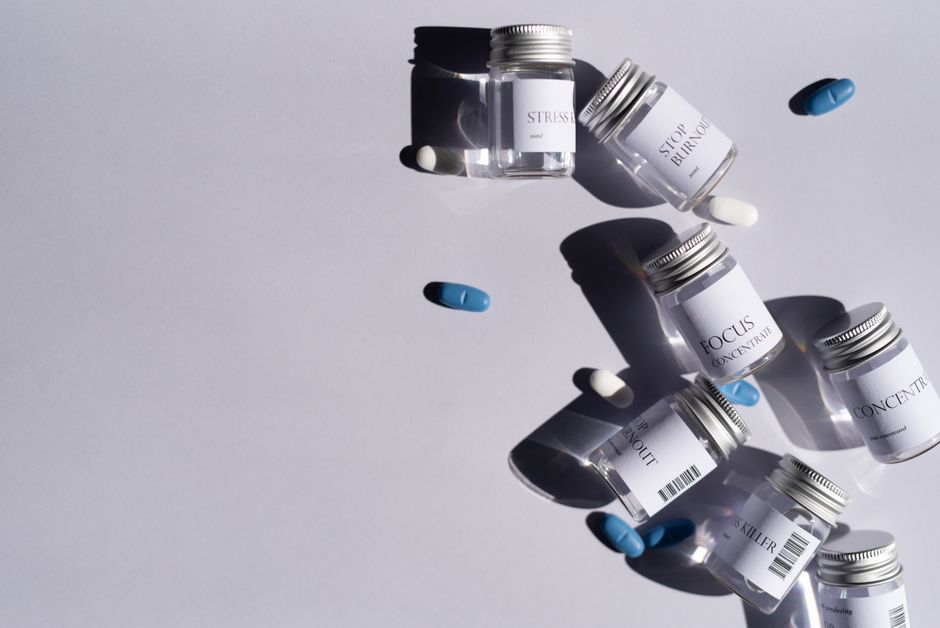
Feeling anxious or stressed is exhausting. Many people look for natural options to support their mental health, and supplements are often part of that conversation. Some supplements have solid research behind them for easing anxiety symptoms, while others are mostly hype. Magnesium, certain B vitamins, and specific herbal extracts like ashwagandha and lemon balm are among the most studied options. But supplements are not a cure-all, and they work best alongside other stress-management strategies like therapy, exercise, and good sleep.
What Supplements Help With Anxiety And Stress?
Several supplements show genuine promise for reducing anxiety and stress symptoms. Magnesium, L-theanine, and ashwagandha have the strongest evidence. Valerian root and lemon balm also appear in clinical studies, though results vary. No supplement replaces professional treatment for an anxiety disorder, but some people find them useful as part of a broader plan.
Keep in mind that the FDA does not regulate supplements the way it regulates prescription medications. Quality varies between brands, and what is on the label may not always match what is in the bottle. Third-party testing seals from organizations like NSF International or USP can help you choose a more reliable product.
How Do Supplements Affect Anxiety In The Body?
Anxiety involves several body systems. The brain uses chemical messengers called neurotransmitters to regulate mood. GABA is the main inhibitory neurotransmitter, meaning it calms brain activity. Serotonin also influences mood and anxiety levels.
Stress triggers the release of cortisol from the adrenal glands. This is part of the fight-or-flight response, which is helpful in short bursts. But chronic stress keeps cortisol elevated, which can worsen anxiety over time.
Some supplements work on these systems directly. Others correct nutrient deficiencies that may be contributing to anxiety symptoms. For example, magnesium helps regulate the hypothalamic-pituitary-adrenal axis, which controls the stress response. When magnesium levels are low, the body may have a harder time managing stress.
This does not mean every person with anxiety has a deficiency. But research suggests that many Americans do not get enough magnesium from food alone. A 2018 analysis in the journal Nutrients found that a significant portion of the U.S. population falls short of the estimated average requirement for magnesium.
What Does The Research Say About Specific Supplements?
Not all supplements have equal evidence behind them. Some have been studied in multiple clinical trials. Others rely mostly on traditional use or small preliminary studies.
Magnesium is one of the most studied minerals for anxiety. Research published in the journal Nutrients in 2017 reviewed existing studies and found evidence that magnesium may help with mild anxiety symptoms. The mechanism makes sense biologically. Magnesium blocks the NMDA receptor in the brain, which is involved in the stress response. It also supports healthy GABA function.
L-theanine is an amino acid found naturally in green tea. It promotes relaxation without drowsiness. Some research suggests it increases alpha brain waves, which are associated with a calm, alert state. A small randomized trial found that L-theanine reduced stress responses in healthy adults during a stressful cognitive task.
Ashwagandha is an adaptogenic herb used in Ayurvedic medicine. Several clinical trials have examined its effects on stress and anxiety. A systematic review published in 2021 in the journal Cureus analyzed multiple studies and concluded that ashwagandha may reduce stress and anxiety symptoms. The herb appears to lower cortisol levels, though study quality varies.
Lemon balm (Melissa officinalis) is another herb with calming properties. Some studies show it can reduce anxiety and improve mood. It may work by increasing GABA levels in the brain.
Valerian root is more commonly associated with sleep, but it also has anxiolytic properties. The evidence for anxiety is less consistent than for sleep, and results from studies are mixed.



How Long Do Supplements Take To Work?
This depends on the supplement and the person. Some effects appear quickly. L-theanine can be absorbed and produce noticeable calming effects within 30 to 60 minutes. Lemon balm may also work relatively quickly.
Others take longer. Ashwagandha and magnesium typically need several weeks of consistent use before effects become noticeable. Most clinical trials for ashwagandha run for 8 to 12 weeks. Magnesium levels in the body are tightly regulated, and it can take time to correct a deficiency.
If you try a supplement for anxiety, give it a fair trial period. A reasonable approach is 4 to 8 weeks of consistent daily use before deciding whether it helps. Keep a simple journal of your symptoms to track changes objectively.
No supplement works instantly for everyone. If you experience sudden, severe anxiety or panic attacks, that is not something to manage with supplements alone. Seek professional help.
Are There Risks Or Side Effects?
Yes. Natural does not mean risk-free. Even common supplements can cause side effects or interact with medications.
Magnesium supplements can cause digestive issues like diarrhea, especially in higher doses. People with kidney problems should not take magnesium supplements without medical supervision because the kidneys clear excess magnesium from the body.
Ashwagandha may cause stomach upset, diarrhea, or drowsiness in some people. It may also affect thyroid hormone levels. People with thyroid conditions should talk to their doctor before taking it. Ashwagandha is not recommended during pregnancy because high doses may pose risks.
Valerian root can cause drowsiness, headaches, or vivid dreams. It may interact with sedatives and alcohol. Do not drive or operate machinery until you know how it affects you.
L-theanine is generally well tolerated, but it can interact with blood pressure medications. It may also enhance the effects of sedatives.
Lemon balm is generally safe for short-term use, but it can interact with thyroid medications and sedatives.
Some supplements affect how the liver processes medications. St. John’s Wort, which is sometimes used for mood, is a well-known example. It changes liver enzyme activity and can make birth control pills, blood thinners, and many other medications less effective. If you take any prescription medication, check with your pharmacist or doctor before adding supplements.
What About B Vitamins And Omega-3 Fatty Acids?
B vitamins are involved in producing neurotransmitters like serotonin and dopamine. A deficiency in vitamin B12 or folate can contribute to mood disturbances. Some research suggests that B vitamin supplementation may help with stress, but mainly in people who are deficient.
A 2011 study published in the journal Human Psychopharmacology found that a high-dose B vitamin supplement reduced occupational stress symptoms in healthy adults. But the effect was modest, and the study was industry-funded. For people with adequate B vitamin levels, extra supplementation does not appear to provide additional benefit.
Omega-3 fatty acids, particularly EPA and DHA, are important for brain health. Some studies have examined omega-3s for anxiety. A 2018 meta-analysis in JAMA Network Open found that omega-3 supplementation reduced anxiety symptoms in clinical populations. However, the effect was small, and the authors noted that more research is needed.
These nutrients are best obtained from food. Fatty fish like salmon and sardines provide omega-3s. Leafy greens, legumes, and whole grains provide B vitamins. Supplements make sense when dietary intake is inadequate or when a blood test confirms a deficiency.
How To Choose A Quality Supplement
Choosing a supplement is not like buying groceries. Quality varies widely between brands, and the industry has had contamination and mislabeling problems.
- Look for third-party testing seals from NSF International, USP, or ConsumerLab. These organizations verify that the product contains what the label claims.
- Choose products with clear labeling. The label should list the active ingredient, the amount per serving, and other ingredients.
- Avoid proprietary blends that do not disclose exact amounts of each ingredient. You cannot know how much of the active compound you are getting.
- Check for obvious fillers, artificial colors, or unnecessary additives.
- Buy from established brands with a track record of quality control. A brand that has been around for decades and has faced regulatory scrutiny is not automatically good, but a brand that appears and disappears quickly is a red flag.
Price is not always a reliable indicator of quality. Some expensive brands sell mediocre products. Some affordable brands sell excellent ones. The third-party testing seal is the most useful signal you can use.
What Else Helps Alongside Supplements?
Supplements work best when they are part of a broader approach to stress management. No pill can replace the fundamentals of mental health.
Regular exercise is one of the most effective non-drug interventions for anxiety. Aerobic exercise releases endorphins and reduces stress hormones. Even a 30-minute walk several times per week can make a measurable difference.
Sleep matters enormously. Chronic sleep deprivation raises cortisol and worsens anxiety. Most adults need 7 to 9 hours of quality sleep per night. If you struggle with sleep, address that first before adding supplements.
Caffeine is a common culprit for worsening anxiety. It blocks adenosine receptors in the brain and can trigger the same physical symptoms as anxiety, including rapid heartbeat and jitteriness. Some people are more sensitive to caffeine than others. If you have anxiety, consider reducing or eliminating caffeine to see if symptoms improve.
Psychotherapy, particularly cognitive behavioral therapy, has strong evidence for treating anxiety. A therapist can help you identify thought patterns that drive anxiety and develop coping skills. Many people benefit from combining therapy with supplements or medication.
Mindfulness and meditation practices also have research support for reducing stress. Apps like Headspace and Calm offer guided sessions that make starting easy. Even 10 minutes per day can help.
When To See A Professional
Everyone feels anxious sometimes. That is normal. But when anxiety interferes with daily life, work, or relationships, it may be an anxiety disorder that needs professional treatment.
Signs that you should seek help include anxiety that lasts for weeks or months, panic attacks, avoiding situations because of fear, difficulty sleeping, or using alcohol or drugs to cope. Physical symptoms like rapid heartbeat, chest pain, or shortness of breath should always be evaluated by a doctor to rule out medical causes.
If you are already taking medication for anxiety or depression, talk to your doctor before adding supplements. Some supplements can interact with psychiatric medications. For example, ashwagandha may enhance the effects of sedatives, and St. John’s Wort can interfere with many antidepressants.
Tell your doctor about every supplement you take. This includes herbs, vitamins, and minerals. Some people do not mention supplements to their doctor because they do not consider them medications. But supplements can affect lab tests, interact with prescriptions, and have side effects. Your doctor needs the full picture to provide safe care.
Frequently Asked Questions
What is the most effective supplement for anxiety?
Magnesium and ashwagandha have the strongest research support for reducing anxiety symptoms. However, individual responses vary, and what works for one person may not work for another.
Can I take supplements instead of anxiety medication?
No. Supplements are not a substitute for prescribed anxiety medication. If you are considering stopping or changing medication, talk to your doctor first.
How quickly do anxiety supplements start working?
L-theanine and lemon balm can produce calming effects within about an hour. Ashwagandha and magnesium typically require 4 to 8 weeks of consistent use before effects appear.
Are natural supplements safe for anxiety?
Some are generally safe when taken as directed, but all supplements carry some risk of side effects or drug interactions. Always check with a healthcare provider before starting a new supplement.
