
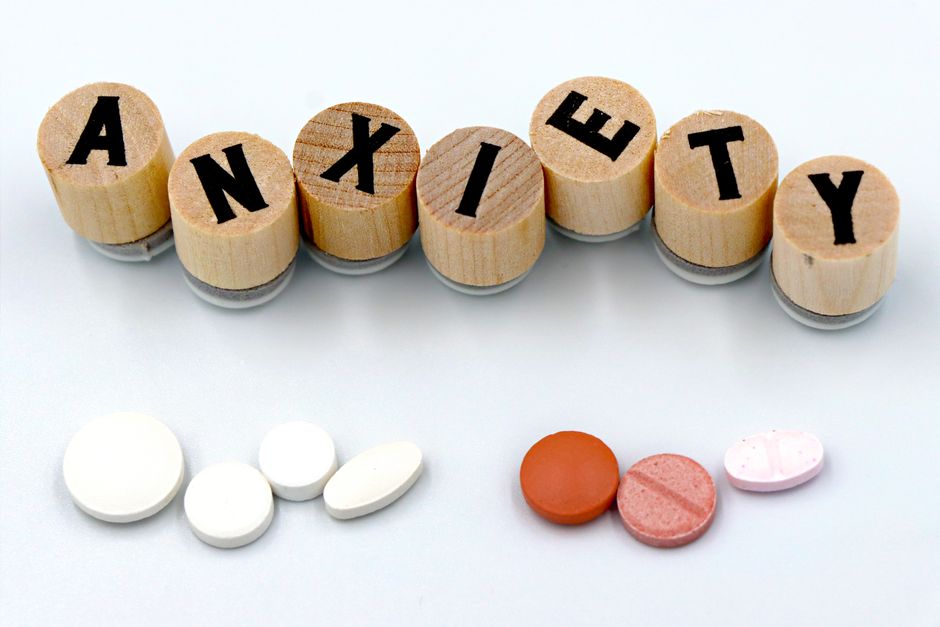
Stress eating is rarely about actual hunger. It is a learned response to emotional discomfort, and it can be unlearned. When anxiety spikes, your body releases hormones that can make you reach for food even when your stomach is full. The first step to stopping anxiety hunger is recognizing that the urge to eat is a signal from your brain, not a demand from your body. By building awareness, creating a pause between the urge and the action, and finding alternative ways to soothe your nervous system, you can break the cycle of stress eating for good.
What Is Anxiety Hunger and How Is It Different from Physical Hunger?
Anxiety hunger feels different from normal hunger. Physical hunger builds gradually and is satisfied by almost any food. Emotional or anxiety-driven hunger comes on suddenly and craves specific comfort foods, usually high in sugar or fat. It often appears when you feel stressed, bored, lonely, or overwhelmed, and eating does not actually satisfy it in the way a meal does. You may feel full but still want to keep eating, which is a clear sign the drive is emotional rather than physical.
The physiology behind this is well established. When you are stressed, your body releases cortisol, sometimes called the stress hormone. Elevated cortisol can increase appetite and drive cravings for energy-dense foods. At the same time, your blood sugar may dip after the initial stress response, prompting a desire for quick carbohydrates. This is not a lack of willpower. It is a biological chain reaction designed to help you survive a threat that never actually arrives. Understanding this can shift the way you view those urges, from a personal failure to a natural response you can manage.
How To Stop Anxiety Hunger And Calm Stress Eating
The most effective strategy is not to fight the urge but to create a pause. When you feel the sudden pull toward food, stop and ask yourself one question: Would I eat an apple right now? If the answer is no, you are likely not physically hungry. Physical hunger will accept almost any food. Emotional hunger is picky and demands something specific. This simple check can separate true hunger from anxiety-driven cravings in seconds.
Once you identify the urge as emotional, give yourself a set amount of time before you act on it. A five-minute delay is a practical starting point. During that pause, do something that engages your hands or your attention. Drink a glass of cold water. Step outside for fresh air. Wash a few dishes. Fold laundry. The goal is not to suppress the feeling but to let it pass. Cravings are often like waves. They rise, peak, and fall. If you can ride out the wave without eating, the intensity usually drops within minutes.
Replacing the eating habit with a different physical action is also helpful. Chewing gum, brushing your teeth, or sucking on a piece of hard candy can satisfy the oral fixation without the calories. Some people find that holding a warm mug of tea or coffee provides comfort similar to food. These substitutions work because they address the sensory and behavioral components of stress eating without the actual food reward.
Why Diets and Willpower Alone Usually Fail
Strict dieting often makes stress eating worse. When you restrict certain foods, you create a scarcity mindset. Your brain interprets the restriction as a threat, and when stress arrives, the desire for the forbidden food intensifies. This is why many people binge after a day of clean eating. The restriction itself becomes the trigger.
A more effective approach is to remove the moral label from food. Labeling food as good or bad sets you up for a cycle of guilt and shame. When you eat something you consider bad, you may feel guilty. That guilt raises your stress level, which triggers more eating. Breaking this cycle requires allowing yourself to eat all foods without judgment. This does not mean eating junk food constantly. It means removing the emotional charge around food so that eating becomes a neutral act rather than a reward or punishment.
Research on intuitive eating, which focuses on listening to your body’s hunger and fullness cues rather than external rules, suggests that this approach is associated with lower levels of disordered eating and better psychological well-being. The evidence is not about weight loss specifically but about improving your relationship with food. When food loses its power over you, stress eating loses its appeal.




What to Eat and Drink When Stress Hits
If you have tried the pause and the urge is still there, you may actually be hungry. In that case, choose foods that stabilize blood sugar rather than spike it. Protein, fiber, and healthy fats slow digestion and keep you full longer. A handful of nuts, Greek yogurt, or an apple with peanut butter are reasonable choices. These foods address real hunger without triggering the blood sugar roller coaster that leads to more cravings.
What you drink matters too. Dehydration is often mistaken for hunger. When you feel a sudden urge to eat, drink a full glass of water first and wait ten minutes. Sometimes the craving disappears completely. Caffeine and alcohol can also play a role. Caffeine raises cortisol levels, which can amplify anxiety. Alcohol lowers inhibitions and can lead to late-night snacking. If you notice stress eating tends to happen after certain drinks, adjusting those habits may reduce the urge.
Meal timing also matters. Skipping meals or going too long without eating sets you up for intense hunger later. When you are already stressed, low blood sugar makes the situation worse. Eating regular, balanced meals throughout the day keeps your blood sugar steady and reduces the intensity of stress-induced cravings. This is not about strict schedules but about not letting yourself get ravenous.
How to Manage the Anxiety Itself
Stress eating is a symptom. The underlying issue is the anxiety. Managing the anxiety directly reduces the urge to eat emotionally. Deep breathing is one of the most effective immediate tools. Slow, diaphragmatic breathing activates the parasympathetic nervous system, which counteracts the fight-or-flight response. A simple pattern of inhaling for four counts, holding for four, and exhaling for six can lower heart rate and reduce cortisol within minutes.
Physical movement is another powerful stress reducer. You do not need to run a marathon. A brisk ten-minute walk can lower anxiety and interrupt the urge to eat. Movement releases endorphins, which improve mood, and it gives your body a physical outlet for the nervous energy that anxiety creates. The key is to move before you eat, not after.
Sleep is often overlooked but critical. Sleep deprivation raises cortisol and ghrelin, the hormone that stimulates appetite, while lowering leptin, the hormone that signals fullness. If you are chronically sleep-deprived, your body is working against you. Prioritizing seven to nine hours of sleep per night can reduce both anxiety and the intensity of cravings. If anxiety keeps you awake, addressing that separately may be necessary.
When Stress Eating Becomes a Disorder
Occasional stress eating is common and not a cause for alarm. But when it becomes frequent, involves eating large amounts of food in a short period, and is accompanied by a feeling of loss of control, it may be binge eating disorder. This is a recognized psychiatric condition, not a character flaw. It affects millions of people and is treatable.
Signs that stress eating has crossed into a disorder include eating much faster than normal, eating until uncomfortably full, eating alone due to embarrassment, and feeling disgusted, depressed, or guilty afterward. If these patterns occur at least once a week for three months, professional help is warranted. Cognitive behavioral therapy has strong evidence for treating binge eating disorder. A therapist can help you identify triggers and develop healthier coping mechanisms.
No clinical guidelines currently exist for treating stress eating as a standalone condition because it is not a diagnosis. But if your eating feels out of control, talking to a healthcare provider is a reasonable first step. They can screen for underlying conditions like depression or anxiety and refer you to appropriate support.
Building Long-Term Habits to Prevent Stress Eating
The pause and the substitution strategies work in the moment. Long-term prevention requires changing the environment and the habits that support stress eating. Start by removing trigger foods from your home if you cannot eat them in moderation. If the cookies are not in the pantry, the decision is already made. This is not about restriction. It is about reducing friction between the urge and the action.
Keeping a food and mood journal can reveal patterns you may not notice. Many people discover that stress eating happens at specific times of day or after specific interactions. A difficult meeting at work, an argument with a partner, or even a stressful commute can be the trigger. Once you identify the pattern, you can prepare an alternative response in advance.
Building a support system is also valuable. Tell a trusted friend or family member about your goal to reduce stress eating. Having someone to call when the urge hits can interrupt the automatic behavior. Support groups, either in person or online, provide accountability and shared strategies. The evidence for social support in behavior change is strong across many domains, including eating behavior.
Frequently Asked Questions
Why do I get hungry when I am anxious?
Anxiety triggers the release of cortisol, which can increase appetite and drive cravings for high-calorie foods. This is a biological stress response, not a sign of weakness.
How can I tell if I am really hungry or just stressed?
Ask yourself if you would eat a plain apple or a piece of chicken. Physical hunger accepts almost any food, while emotional hunger craves specific comfort foods.
What should I do right when I feel a stress craving coming on?
Wait five minutes before eating and drink a glass of water. If the craving fades, it was emotional. If you are still hungry, choose a balanced snack with protein and fiber.
Can stress eating cause weight gain?
Frequent stress eating can lead to weight gain because it often involves high-calorie foods eaten beyond physical fullness. Managing stress and building alternative coping strategies can help prevent this pattern.
