
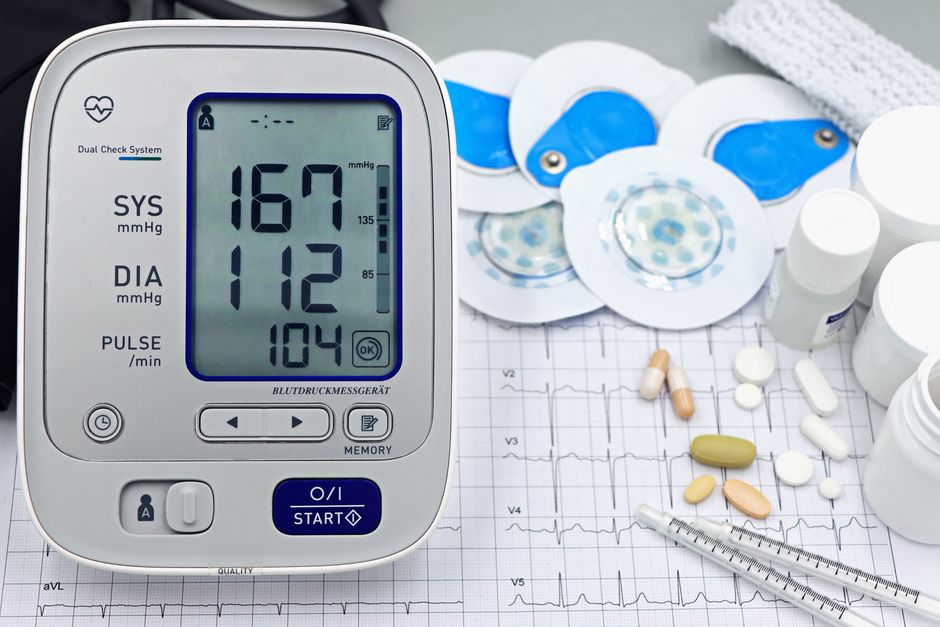
High LDL cholesterol is one of the most common findings on a standard blood test, and it is a major risk factor for heart disease and stroke. The key factors that cause LDL to be high include your genetics, your diet, your level of physical activity, and certain medical conditions like an underactive thyroid. Lifestyle choices such as eating a diet high in saturated fats and being sedentary play a significant role, but for many people, their family history is the single strongest predictor of their LDL levels.
What Causes Ldl Cholesterol To Be High Key Factors?
The liver produces LDL cholesterol naturally, and it is a necessary building block for cells. The problem begins when the body produces too much LDL or fails to clear it from the bloodstream efficiently. The primary causes of high LDL fall into two broad categories: factors you can control and factors you cannot.
Controllable factors include a diet rich in saturated fats and trans fats, obesity, physical inactivity, and smoking. Uncontrollable factors include age, sex, and most importantly, genetics. A condition called familial hypercholesterolemia causes very high LDL levels from birth and requires medical treatment. Even without that specific genetic condition, your genes influence how your liver processes cholesterol, which is why some people with otherwise healthy lifestyles still have high LDL.
How Does Diet Directly Raise LDL Levels?
Diet is the most talked-about cause of high LDL, but it is not the only one. Saturated fats, found in red meat, full-fat dairy products, butter, and palm oil, signal the liver to reduce its uptake of LDL from the blood. When the liver removes less LDL, more of it stays circulating in your bloodstream.
Trans fats, which are found in some fried foods and processed baked goods, do the same thing. The FDA has largely banned artificial trans fats in the US food supply, but they still exist in small amounts in some products. Replacing saturated fats with unsaturated fats, such as those in olive oil, nuts, and avocados, has been shown in research to lower LDL levels. Dietary cholesterol itself, found in eggs and shellfish, has a much smaller effect on blood cholesterol than saturated fat does for most people.
What Medical Conditions Cause High LDL?
Several underlying health conditions can push LDL cholesterol above normal ranges even when your diet is excellent. Hypothyroidism, or an underactive thyroid, is one of the most common medical causes. The thyroid hormone regulates how quickly the liver removes LDL from the blood. When thyroid hormone levels are low, LDL clearance slows down, and blood levels rise.
Diabetes and insulin resistance also contribute. High blood sugar damages the lining of blood vessels and changes how the liver processes fats, often leading to a pattern of high LDL and low HDL. Kidney disease and liver disease can also disrupt cholesterol metabolism. If your LDL is high and you have no obvious dietary cause, your doctor will often check your thyroid function and blood sugar as part of the standard workup.
Is High LDL Inherited From Your Parents?
Genetics play a massive role in determining your LDL level. Family history is so important that doctors ask about it during every cholesterol screening. If a parent or sibling had high cholesterol or a heart attack at a young age, your risk of having high LDL is significantly increased.
Familial hypercholesterolemia is the most severe inherited form. People with this condition have a mutation in a gene that controls how the liver removes LDL. Their LDL levels can be two to three times higher than normal, even in childhood. It affects roughly 1 in 250 people. This condition requires medication, often starting in early adulthood, because lifestyle changes alone cannot overcome the genetic defect. If you have a strong family history of early heart disease, ask your doctor about genetic testing or a more detailed lipid panel.
How Do Lifestyle Choices Affect LDL?
Physical inactivity is directly linked to higher LDL levels. Regular aerobic exercise helps the liver and muscles clear LDL from the blood more efficiently. Exercise also raises HDL, the “good” cholesterol that helps remove LDL from arteries. The effect is modest compared to medication, but it is real and measurable.
Smoking damages the walls of blood vessels, making them more likely to trap LDL particles. Smoking also lowers HDL, which means less LDL gets cleared away. Excess body weight, particularly around the abdomen, increases the production of LDL and decreases the body’s ability to remove it. Weight loss of even five to ten percent of body weight has been shown to lower LDL levels in clinical studies.
Why Does LDL Rise With Age?
LDL cholesterol naturally increases as you get older. This is a normal physiological change, not a sign that something is wrong. The liver becomes slightly less efficient at removing LDL from the blood with each passing decade. Hormonal changes also play a role, especially in women after menopause when estrogen levels drop and LDL levels tend to rise.
Because of this age-related increase, the target LDL level for a 30-year-old is not the same as for a 60-year-old. Your doctor calculates your personal LDL goal based on your age, blood pressure, smoking status, and whether you have diabetes or existing heart disease. A level that is acceptable at 40 might require treatment at 60.
What Is the Difference Between LDL and Total Cholesterol?
Total cholesterol is the sum of all the cholesterol in your blood, including LDL, HDL, and a small amount of triglycerides. LDL is the specific component that builds up in artery walls and causes blockages. That is why doctors pay more attention to LDL than to total cholesterol alone.
A standard lipid panel reports both numbers. The general guidance is that LDL should be below 100 mg/dL for most adults, and below 70 mg/dL for people with known heart disease or diabetes. Total cholesterol should be below 200 mg/dL. These are guideline numbers from major cardiovascular organizations, but your individual target depends on your overall risk profile.
Frequently Asked Questions
Can stress cause high LDL cholesterol?
Chronic stress can indirectly raise LDL by increasing cortisol levels, which may lead to overeating, poor food choices, and reduced physical activity. The direct effect of stress hormones on LDL production is less clear, but the behavioral effects are well documented.
How quickly can diet changes lower LDL?
Significant dietary changes can lower LDL within three to six weeks. The full effect of a diet change is usually seen within three months, after which a repeat blood test can show the real impact.
What is a normal LDL level?
For most healthy adults, an LDL level below 100 mg/dL is considered optimal. Levels between 100 and 129 mg/dL are near optimal, and anything above 160 mg/dL is considered high.
Does drinking alcohol affect LDL?
Moderate alcohol consumption is associated with higher HDL levels, but it does not consistently lower LDL. Heavy drinking raises triglycerides and can increase overall cardiovascular risk, so alcohol is not recommended as a treatment for high cholesterol.
