
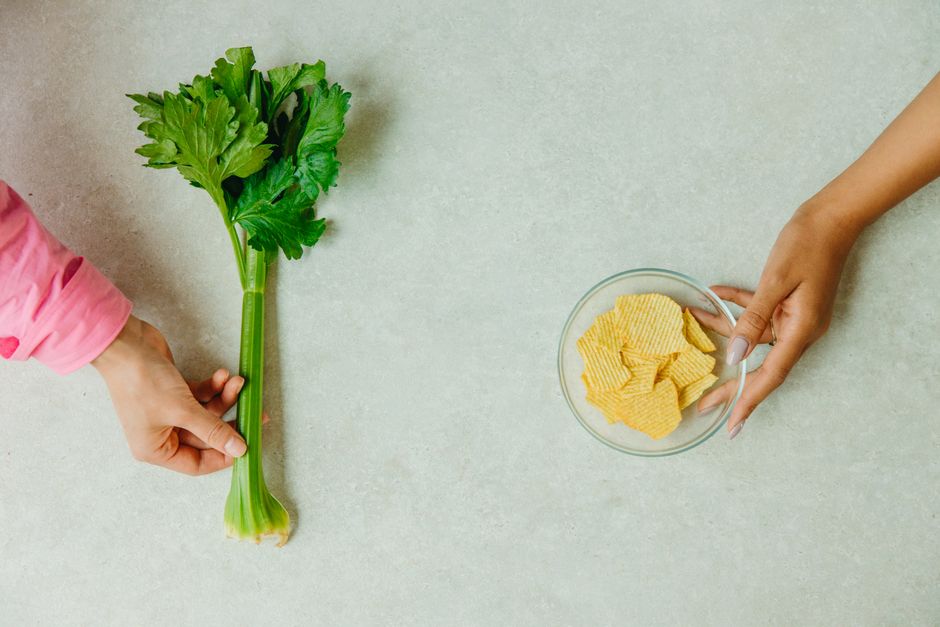
Finding snacks that don’t trigger acid reflux can feel like a guessing game. You want something quick, but you don’t want the burning chest pain and sour taste that follows a bad choice. The good news is that you have more options than you think. Safe snacks for GERD are generally low in fat, not overly acidic, and free of common triggers like chocolate, mint, and caffeine. Think bananas, oatmeal, whole-grain crackers, and melon rather than citrus fruits, fatty chips, or spicy nuts.
What Makes a Snack GERD-Safe?
Acid reflux happens when the muscle at the bottom of your esophagus, called the lower esophageal sphincter, relaxes when it shouldn’t. This lets stomach acid flow back up into your throat. Certain foods make this muscle relax more easily or increase acid production in the stomach.
High-fat foods are a major problem because fat slows down stomach emptying. The longer food sits in your stomach, the more time acid has to splash upward. Acidic foods like citrus and tomatoes directly irritate an already sensitive esophagus. Spicy foods and mint can also relax that valve muscle, making reflux more likely.
A safe snack is one that avoids these triggers. It should be relatively low in fat, gentle on the stomach lining, and not overly acidic. Portion size matters too. Even a safe food can cause problems if you eat a huge amount right before lying down.
Fruits and Vegetables That Are Gentle on the Stomach
Not all fruits are created equal when it comes to reflux. Citrus fruits like oranges, grapefruits, lemons, and limes are highly acidic and frequently trigger symptoms. Tomatoes are also acidic and cause problems for many people.
You can still enjoy fruit. Bananas are one of the best choices because they are low in acid and coat the stomach lining. Melons like cantaloupe and honeydew are also gentle options. Apples and pears are usually well tolerated, especially when they are not overly tart.
For vegetables, almost any non-acidic option works well. Raw carrots, celery, cucumber slices, and bell peppers are crunchy and satisfying. They provide fiber and water without triggering reflux. Avoid raw onions and garlic, which can cause symptoms in many people even in small amounts.
Whole Grains and Crackers for Quick Snacking
Whole grains are a reliable base for a GERD-friendly snack. They are generally low in fat and provide complex carbohydrates that digest slowly. This helps keep you full without overloading the stomach.
Oatmeal is an excellent choice. It is bland, filling, and does not stimulate acid production. You can make it with water or low-fat milk and top it with sliced bananas or a few berries. Avoid adding brown sugar, honey in large amounts, or dried fruits like raisins which can be more acidic.
Whole-grain crackers or rice cakes are convenient options. They are dry and bland, which helps absorb stomach acid. Plain saltine crackers work too. Pair them with a small amount of nut butter or a slice of low-fat cheese for more staying power. Just be careful with portion sizes since crackers are easy to overeat.
Pretzels and plain popcorn are also generally safe. Choose air-popped popcorn without butter or heavy seasonings. Skip flavored varieties that contain cheese powder, spicy seasonings, or artificial ingredients.





Lean Proteins and Dairy That Work as Snacks
Protein is important for keeping you satisfied between meals. The key is choosing lean sources rather than fatty ones. High-fat meats like salami, pepperoni, and bacon are common reflux triggers.
Low-fat cheese like mozzarella string cheese or cottage cheese can work well. These provide protein and calcium without the high fat content of aged cheeses like cheddar or brie. A single string cheese stick is a convenient portion-controlled snack.
Plain yogurt is another good option. It contains probiotics that support digestion. Choose low-fat or non-fat varieties without added fruit on the bottom, which often contains extra sugar and acidic fruit. Add your own sliced banana or a drizzle of honey instead.
Lean turkey or chicken slices rolled up with lettuce make a satisfying savory snack. Hard-boiled eggs are also fine for many people. Just avoid eating the yolk if you find it triggers symptoms, since the yolk contains most of the fat.
Nuts and Seeds You Can Eat With GERD
Nuts are a tricky category for reflux. They are nutritious and convenient, but they are also high in fat. For some people, this fat content triggers symptoms.
Almonds are often singled out as a safe choice. Some research suggests almonds have an alkalizing effect on the stomach. They are also a good source of magnesium, which may help relax the esophageal sphincter. However, portion control is essential. A small handful is enough.
Cashews, walnuts, and peanuts are less acidic than many other nuts. Peanut butter on whole-grain toast or apple slices is a classic snack. Just choose natural peanut butter without added sugar or hydrogenated oils. Chia seeds and flaxseeds are also gentle options that you can add to yogurt or oatmeal.
Pistachios and macadamia nuts are higher in fat and may be more likely to cause issues. If you are unsure how your body reacts, start with a small amount of one type of nut and pay attention to your symptoms.
Beverages and Hydration During Snack Time
What you drink with your snack matters as much as what you eat. Certain beverages are notorious reflux triggers. Caffeine in coffee and tea relaxes the lower esophageal sphincter. Carbonated drinks create pressure in the stomach that pushes acid upward. Alcohol also relaxes that muscle and increases acid production.
Water is always the safest choice. Herbal teas that are naturally caffeine-free, like chamomile or ginger tea, can be soothing. Ginger has anti-inflammatory properties that may help settle the stomach. Avoid peppermint tea, since mint is a known reflux trigger.
Low-fat or non-fat milk can help coat the stomach. Some people find that a small glass of milk neutralizes acid temporarily. However, full-fat milk can trigger reflux in some people because of its fat content. Coconut water is another option that is naturally low in acid and provides electrolytes.
Snacks to Avoid With GERD
Knowing what to avoid is just as important as knowing what to eat. Some foods are common triggers for most people with GERD.
- Chocolate contains both caffeine and cocoa, which relax the esophageal sphincter.
- Citrus fruits like oranges, lemons, and grapefruit are highly acidic.
- Tomatoes and tomato-based products like salsa and pasta sauce are acidic.
- Fried foods and high-fat snacks like potato chips and french fries slow digestion.
- Spicy foods containing chili peppers, hot sauce, or curry powder irritate the esophagus.
- Mint in any form, including gum and candy, relaxes the sphincter muscle.
- Carbonated beverages increase stomach pressure and cause bloating.
- Onions and garlic, especially raw, trigger reflux in many people.
Everyone is different. You may tolerate some of these foods fine while others trigger symptoms immediately. Keeping a food diary can help you identify your personal triggers. Write down what you eat and how you feel afterward to spot patterns over time.
Timing and Portion Control for Snacking
When you eat is almost as important as what you eat. Eating a large snack right before bedtime is a recipe for nighttime reflux. When you lie down, gravity no longer helps keep stomach contents where they belong.
Stop eating at least two to three hours before lying down. This gives your stomach time to empty and reduces the risk of acid backing up into your esophagus. If you get hungry at night, choose a very small, bland snack like a few crackers or a banana.
Keep snack portions moderate. A snack should tide you over until your next meal, not replace it. Eating too much at once stretches the stomach and puts pressure on the lower esophageal sphincter. This pressure makes it easier for acid to escape.
Eating smaller, more frequent meals throughout the day can actually help manage GERD symptoms. Large meals overwhelm the digestive system and increase stomach pressure. Spreading your food intake across five or six smaller portions may reduce reflux episodes compared to three large meals.
Frequently Asked Questions
Can I eat peanut butter as a snack with GERD?
Yes, many people tolerate natural peanut butter well. Choose varieties without added sugar or hydrogenated oils and stick to a small portion like one or two tablespoons.
Are apples safe to eat with acid reflux?
Most people can eat apples without problems. Apples are low in acid compared to citrus fruits, though some people find tart green apples more irritating than sweeter red varieties.
Is popcorn a good snack for GERD?
Plain, air-popped popcorn is generally safe. Avoid butter, cheese powder, and spicy seasonings, which add fat and irritants that can trigger reflux.
Can I eat yogurt if I have acid reflux?
Low-fat or non-fat plain yogurt is usually well tolerated. Full-fat yogurt and fruit-flavored varieties with added sugar may trigger symptoms in some people.
