
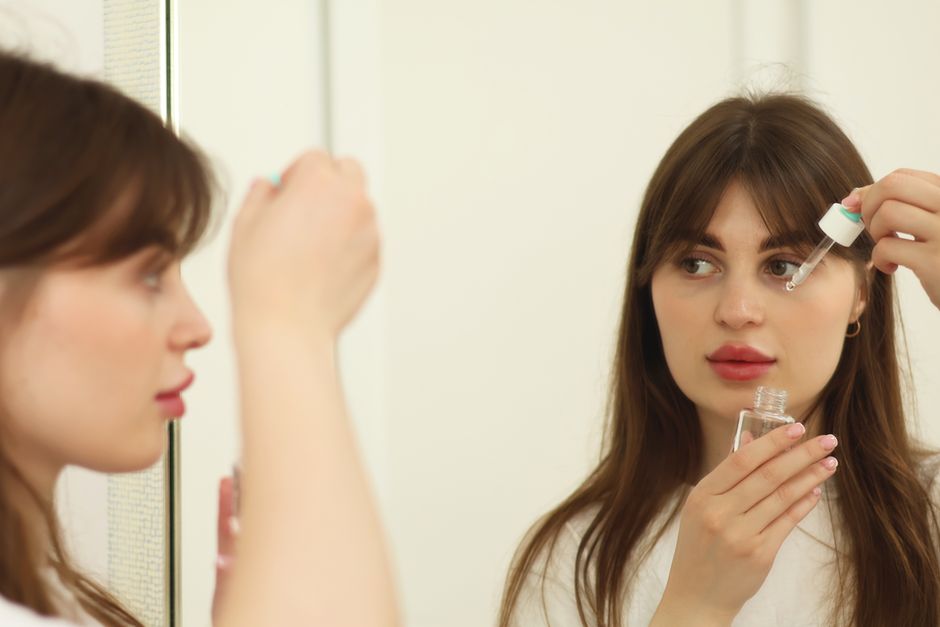
Most 10-year-olds do not need a skin care routine at all. A gentle cleanser, water, and sunscreen when they are outside is enough for the vast majority of kids this age. The real answer is that 10-year-old skin is still developing, and the best thing you can do for it is leave it mostly alone.
Why 10-Year-Old Skin Is Different
At age 10, most children have skin that has not yet been through puberty. The oil glands that cause acne later are just beginning to wake up, if they have started at all. The skin barrier — the outer layer that holds in moisture and keeps irritants out — is thinner and more sensitive than an adult’s.
This matters because many products made for adults are too harsh for this stage. Ingredients that help a 30-year-old manage oily skin can strip and irritate a 10-year-old’s face. The result is redness, dryness, and sometimes a rash that looks worse than the original problem.
Puberty timing varies widely. Some 10-year-olds show early signs — oilier skin, a few blackheads on the nose, the first pimples. Others have none of this yet. That difference should guide what you do, not a fixed routine copied from the internet.
What Skin Care Is Good for 10 Year Olds?
For most 10-year-olds, a short and simple routine covers it. Here is what dermatologists generally consider appropriate at this age:
- A mild, fragrance-free cleanser used once a day, or just water if the skin is not dirty or oily
- A basic moisturizer if the skin feels dry or tight
- Sunscreen with SPF 30 or higher when they will be outdoors
That is the whole list. No toners, no serums, no exfoliating scrubs, no anti-aging products. A 10-year-old’s skin does not need active ingredients like retinol, vitamin C, or chemical exfoliants. Those are for adult skin concerns that do not exist at this age.
Fragrance-free matters more than people realize. Fragrance is one of the most common causes of allergic contact dermatitis in children. A product that smells nice can trigger redness, itching, and a rash around the eyes or mouth.
When Does a 10-Year-Old Need More Than the Basics?
Some 10-year-olds do start showing early acne. This is normal and expected when puberty begins. Early signs include blackheads and whiteheads on the nose, forehead, and chin, and occasionally a few inflamed pimples.
When that happens, a gentle cleanser used twice a day can help. A product containing salicylic acid or benzoyl peroxide may be useful for mild acne, but these ingredients can dry and irritate young skin. It is reasonable to start with the mildest option and see how the skin responds. If acne is widespread, painful, or leaving marks, that is a reason to see a doctor or dermatologist rather than experiment at home.
One point that often gets overlooked: acne at this age can affect self-esteem. How a child feels about their skin matters as much as what the skin looks like. A simple, consistent routine they can manage themselves often helps more than a complicated one a parent has to enforce.





What to Avoid at This Age
Several popular product types are not appropriate for 10-year-old skin. Knowing what to skip is as useful as knowing what to use.
- Exfoliating scrubs and brushes. Physical scrubs can scratch and irritate young skin. Over time they can damage the skin barrier.
- Retinol and retinoids. These are for adult concerns like fine lines and certain acne types. They cause peeling and irritation, especially on young skin.
- Strong acids and peels. At-home chemical peels and high-concentration acids are not meant for children.
- Anti-aging products. A 10-year-old has no wrinkles to treat. These products add cost and irritation risk with no benefit.
- Multi-step routines from social media. Many viral routines are built for adult skin and can cause real harm when copied by kids.
The trend of young children using adult skin care products has grown in recent years, largely driven by social media. Dermatologists have raised concerns about this. The products are not just unnecessary at this age — they can cause irritation, allergic reactions, and in some cases lasting sensitivity.
Is Sunscreen Really Necessary for Kids This Age?
Yes. Sun protection is the one step that genuinely matters for every 10-year-old, and it matters for reasons that go beyond today’s skin.
Sun exposure in childhood and adolescence raises the risk of skin cancer later in life. This link is well established. The damage accumulates over years, so protecting young skin now has a real long-term effect.
For daily use, a broad-spectrum sunscreen with SPF 30 or higher is the standard recommendation. Broad-spectrum means it blocks both UVA and UVB rays. For time outdoors, reapply about every two hours, and more often after swimming or sweating. Clothing, hats, and shade are also effective and often easier to keep up with than sunscreen alone.
Some children react to certain sunscreen ingredients. Mineral sunscreens with zinc oxide or titanium dioxide tend to be gentler on sensitive skin. If a child develops a rash after using a sunscreen, switching formulas is reasonable, and a doctor can help identify the cause.
Does Diet or Water Affect a 10-Year-Old’s Skin?
Diet and hydration get a lot of attention in skin care conversations. For a 10-year-old, the honest position is that the evidence is limited.
Drinking enough water supports general health. Whether it visibly changes skin appearance in children is not well established by research. Similarly, the idea that specific foods cause acne is debated. Some studies suggest that high-glycemic diets may be linked to acne in teenagers, but this is not settled, and the effect in younger children is unclear.
What is clear is that a balanced diet and adequate sleep support overall health, and overall health supports skin health. There is no single food or drink that will transform a child’s skin.
How Should Parents Approach This?
The most useful thing a parent can do is keep it simple and resist the pressure to add products. A 10-year-old does not need a shelf full of bottles. They need a gentle cleanser, a moisturizer if needed, and sunscreen.
Helping a child build a basic habit — washing their face at night, wearing sunscreen outside — sets them up well for the teenage years when their skin will change and they will need to manage it themselves. Teaching the habit matters more than the products.
If you are unsure whether something is appropriate, the safest approach is to ask a pediatrician or dermatologist rather than rely on what is trending online. Product trends change fast. Skin biology does not.
Frequently Asked Questions
What skin care should a 10-year-old use?
A gentle fragrance-free cleanser, a basic moisturizer if needed, and sunscreen with SPF 30 or higher. Most 10-year-olds do not need anything beyond these basics.
Should a 10-year-old use face wash every day?
Once a day is usually enough, and some children do fine with just water. Washing more often can dry out or irritate young skin.
Is it safe for a 10-year-old to use retinol or anti-aging products?
No. Retinol and anti-aging products are made for adult skin concerns and can cause irritation, peeling, and sensitivity in children. They offer no benefit at this age.
When should a 10-year-old see a dermatologist?
If acne is widespread, painful, or leaving marks, or if the skin shows a rash that does not clear up, a doctor or dermatologist should evaluate it. Early treatment can prevent scarring and lasting skin changes.
