
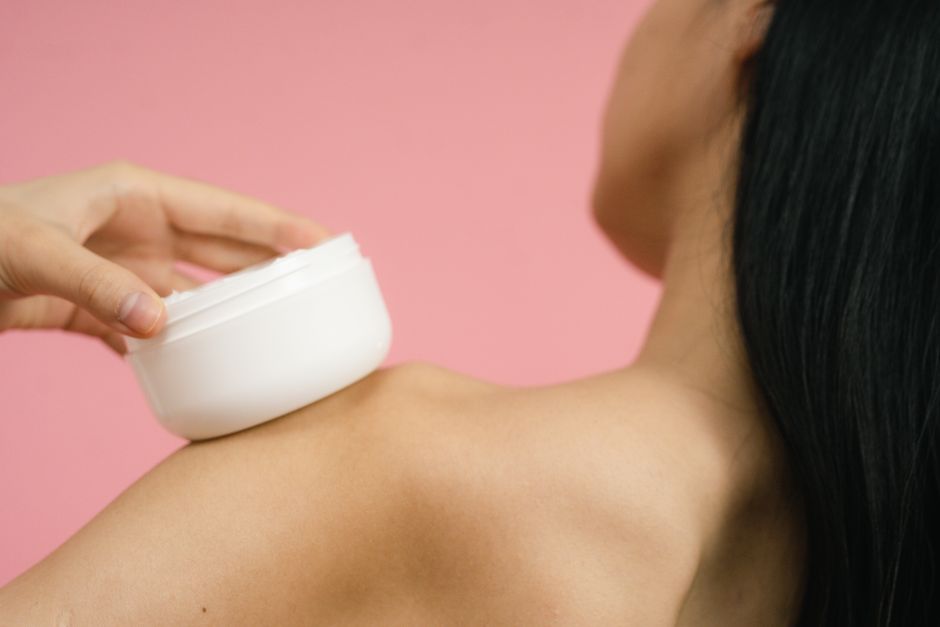
The short answer is that most skin care products absorb within 30 seconds to 5 minutes, but “absorb” is not what you think. Your skin is designed to keep things out, not let them in. When a product feels like it has disappeared, it usually means the water has evaporated and the ingredients have dried on the surface. True absorption — where active ingredients penetrate the skin barrier — takes longer and depends on the molecule size, the formula, and your skin’s condition. This is not a marketing trick. It is basic skin biology. Most people overestimate how much of their product actually gets into their skin, and that misunderstanding leads to wasted money and poor results.
Does Skin Care Actually Absorb Into Your Skin?
Not the way most people imagine. Your skin’s outermost layer, the stratum corneum, is a brick wall of dead skin cells held together by lipids. Its job is to keep water inside and everything else outside. For a molecule to get past this barrier, it must be small enough, oil-soluble enough, or carried by a special delivery system.
Research published in the Journal of Investigative Dermatology found that only molecules under 500 daltons — a unit of molecular weight — can pass through the skin barrier on their own. Most moisturizing ingredients like glycerin and hyaluronic acid are larger than this. They work on the surface by holding water against the skin. They do not “absorb” into deeper layers. They hydrate from the outside in.
When a product feels like it has soaked in, what really happened is the water and alcohol in the formula evaporated. The remaining ingredients — oils, silicones, and film formers — sit on top of your skin. This is fine. Many effective products work this way. The problem is that people assume “disappeared” means “absorbed,” and that assumption leads them to apply too much product too quickly.
How Long Does Skin Care Take to Absorb by Product Type?
The time varies by formula. Here is what the evidence shows for common product types:
| Product Type | Surface Dry Time | True Penetration Time |
|---|---|---|
| Water-based serums (hyaluronic acid, vitamin C) | 30 seconds to 2 minutes | Minimal — works on surface |
| Oil-based serums (retinoids, vitamin E) | 2 to 5 minutes | 1 to 6 hours depending on molecule size |
| Moisturizers (creams and lotions) | 1 to 3 minutes | Surface only for most ingredients |
| Sunscreen (chemical filters) | 5 to 15 minutes | Requires 15-30 minutes before sun exposure for full effect |
| Prescription retinoids (tretinoin) | 5 to 10 minutes | Overnight — requires consistent use for weeks |
These times are based on typical formulations. Thicker creams with more oils take longer to feel dry. Thin toners and essences dry faster. But surface dryness does not equal absorption. A product can feel dry on your skin within a minute while its active ingredients take hours to penetrate — if they penetrate at all.
What Affects How Fast Skin Care Absorbs?
Several factors change absorption speed. The most important one is your skin barrier health. If your barrier is damaged from over-exfoliating or harsh products, ingredients can penetrate faster — but that is not good. Fast absorption through a broken barrier often means irritation and sensitivity.
Other factors include:
- Molecule size. Small molecules like niacinamide (around 120 daltons) can penetrate. Large molecules like hyaluronic acid (up to millions of daltons) cannot.
- Vehicle or base. Alcohol-based formulas evaporate quickly and feel absorbed fast. Oil-based formulas take longer to feel dry but may carry certain ingredients deeper.
- Skin temperature. Warm skin absorbs slightly faster because blood flow increases and lipids in the barrier become more fluid. This is why applying products after a warm shower can feel different.
- Hydration level. Well-hydrated skin allows some ingredients to pass more easily than dry, flaky skin. But over-hydrated skin can also swell and block penetration.
- Layering order. Applying thick creams before thin serums blocks absorption of the serum. The general rule is thinnest to thickest, but even this does not guarantee penetration.
The CDC reports that skin absorption of chemicals is a complex process influenced by these variables. There is no universal timer. Your skin’s absorption rate is unique to you and changes day to day based on humidity, temperature, and how recently you washed your face.





How to Know If Your Skin Care Is Actually Working
Instead of timing absorption, focus on results. A product that feels like it sits on your skin for 10 minutes before drying may still be working. A product that disappears in 30 seconds may be doing nothing but evaporating.
Signs a product is working include reduced redness over weeks, smoother texture, fewer breakouts, or less dryness. These changes take time. No product absorbs instantly and changes your skin overnight. If a brand claims their product absorbs in 60 seconds and transforms your skin, they are selling a feeling, not a result.
Some studies suggest that leaving a product on your skin for at least 30 seconds before applying the next layer gives the formula time to settle and form an even film. This is not about absorption. It is about preventing pilling and ensuring even coverage. The American Academy of Dermatology recommends waiting until the previous product feels tacky, not completely dry, before applying the next layer.
One non-obvious insight: your skin does not need most products to absorb deeply to benefit you. A moisturizer that stays on the surface still prevents water loss. Sunscreen that forms a film on top still blocks UV rays. The goal is not maximum penetration. The goal is the right ingredient in the right place for the right purpose.
Common Absorption Myths That Waste Your Money
The beauty industry has built a marketing empire on the idea that “fast absorbing” means “high quality.” This is false. Here are myths that cost people money and cause frustration:
Myth: Stinging means the product is absorbing. Stinging usually means irritation, not penetration. A product that burns on application is damaging your barrier, not working better. Some active ingredients like AHAs can cause mild tingling, but sharp pain is a warning sign.
Myth: More layers mean more absorption. Your skin can only hold so much. Applying five layers of serum does not mean five times the absorption. Excess product sits on the surface, evaporates, or rolls off. One even layer is enough.
Myth: Expensive products absorb better. Price does not determine absorption. A $5 glycerin-based moisturizer can hydrate as well as a $100 cream. The expensive product may feel nicer on the skin — that is texture and formulation, not superior absorption.
Myth: Patting helps products absorb deeper. Patting can help distribute product evenly, but it does not push ingredients through the barrier. The skin barrier is not a sponge. You cannot force molecules through it by tapping.
Myth: Microwaving or heating products improves absorption. There is no clinical evidence that warming a product changes its ability to penetrate. Warmth may make the texture more spreadable, but it does not open pores or push ingredients deeper. Pores do not open and close like doors.
What to Avoid When Applying Skin Care
Certain habits make absorption worse or cause irritation. Avoid rubbing products aggressively into your skin. Friction can disrupt the barrier and cause redness. Gentle pressing or light sweeping motions are better.
Do not apply products to completely dry skin if you want even distribution. Lightly damp skin helps water-based products spread more evenly. But soaking wet skin dilutes the product and reduces effectiveness. A quick mist of water or toner before a serum can help, but pat off excess moisture first.
Avoid layering too many active ingredients in one routine. Using a vitamin C serum, a retinol, an exfoliating acid, and a moisturizer all at once does not give you four times the benefit. It increases the chance of irritation and barrier damage. The American Academy of Dermatology advises using no more than two active ingredients in a single routine unless directed by a dermatologist.
Do not wait for every product to be completely bone dry before applying the next. This can cause pilling and uneven coverage. Wait until the previous product feels slightly tacky — usually 30 to 60 seconds — then apply the next layer. This is long enough for the formula to settle but short enough to allow proper adhesion of the next product.
Frequently Asked Questions
How long should I wait between skin care layers?
Wait 30 to 60 seconds between layers, or until the previous product feels tacky but not completely dry. This prevents pilling and allows even coverage.
Does skin care absorb faster on damp skin?
Water-based products spread more evenly on damp skin, but the absorption rate does not significantly change. Soaking wet skin dilutes the product and can reduce effectiveness.
Why does my moisturizer feel like it sits on my skin?
Thicker creams with oils and silicones are designed to stay on the surface to lock in moisture. This is normal and does not mean the product is not working.
How long does sunscreen take to absorb before sun exposure?
Chemical sunscreens need 15 to 30 minutes to form a protective film. Mineral sunscreens with zinc oxide or titanium dioxide work immediately but still need even application.
