
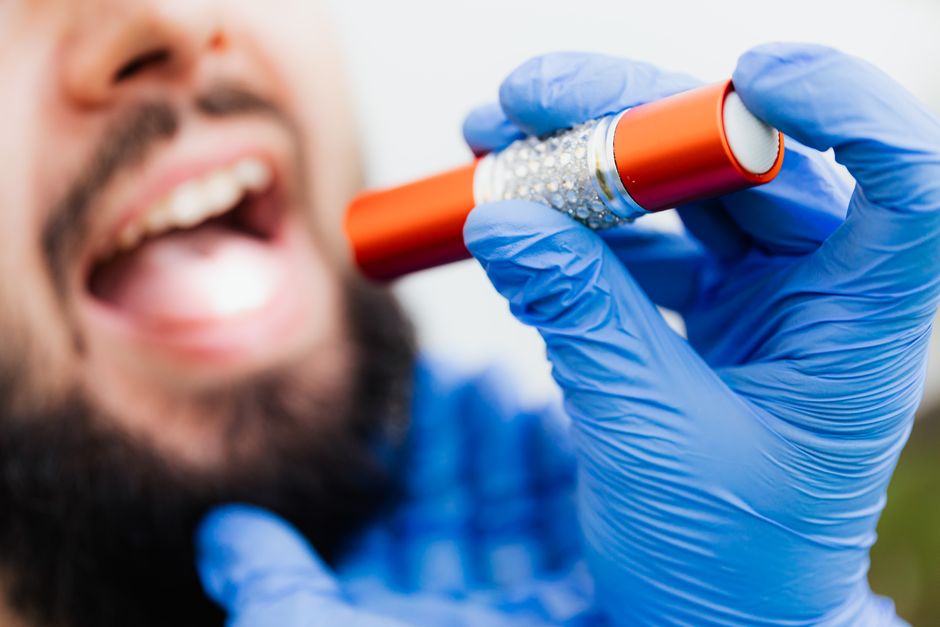
If your mouth feels dry and sticky, your salivary glands are not producing enough saliva. You can stimulate them naturally at home with simple techniques like chewing sugar-free gum, sucking on sour candies, drinking more water, and gently massaging the glands under your jaw and cheeks. These methods increase saliva flow quickly and safely without medication.
Why Salivary Glands Stop Producing Enough Saliva
Salivary glands are small organs in your mouth and throat that make saliva. Saliva helps you chew, swallow, and digest food. It also protects your teeth from decay and keeps your mouth comfortable.
Many things can slow down saliva production. Medications are a common cause. Hundreds of drugs list dry mouth as a side effect. These include antihistamines, decongestants, blood pressure drugs, and antidepressants. Aging itself does not cause dry mouth, but older adults often take more medications that do. Dehydration from not drinking enough water also reduces saliva. Medical conditions like diabetes, Sjögren’s disease, and nerve damage can affect the glands. Stress and anxiety can temporarily decrease saliva as well.
When saliva flow slows, you may notice a dry or sticky feeling, trouble swallowing, cracked lips, or a sore throat. It can also lead to bad breath and a higher risk of cavities.
How To Stimulate Salivary Glands Naturally At Home
Several evidence-based methods can increase saliva production right in your kitchen or living room. None require a prescription or special equipment.
Chew sugar-free gum or suck on sugar-free mints. The mechanical action of chewing sends signals to your brain to release more saliva. This is one of the most studied and reliable methods. Choose xylitol-sweetened gum because xylitol also helps prevent cavities.
Eat or drink something sour. Sour taste strongly stimulates saliva. A squeeze of lemon in water, a slice of lime, or a sugar-free sour candy works well. Keep in mind that frequent exposure to acidic foods can wear down tooth enamel. Rinse your mouth with plain water after sour treats.
Drink water regularly throughout the day. Sipping water keeps mouth tissues moist and helps dilute any substances that irritate the glands. Carry a water bottle and take small sips often. Avoid sugary drinks and soda, which can worsen dry mouth.
Massage your salivary glands. Using clean fingers, press and rub the skin under your jawbone and just behind the ear. Use gentle circular motions for 30 to 60 seconds. This physical pressure can squeeze saliva out of the glands and encourage more production. Some dentists recommend doing this several times a day if dry mouth is chronic.
Breathe through your nose. When you breathe through your mouth, air dries out the oral tissues and reduces saliva. If you notice mouth breathing — especially during sleep — try nasal strips or a humidifier in your bedroom to keep nasal passages clear.
Try saliva substitutes if needed. Over-the-counter mouth sprays or lozenges with ingredients like xylitol, carboxymethylcellulose, or salivary enzymes can provide temporary relief. These are not natural in the strict sense, but they are non-medicated and available at most drugstores.
Diet Changes That Support Saliva Production
What you eat affects how much saliva your glands make. Certain foods naturally trigger stronger saliva flow than others.
Crunchy fruits and vegetables like apples, carrots, celery, and cucumbers require a lot of chewing. That chewing action stimulates the glands directly. They also contain water that helps moisten the mouth.
Citrus fruits and tart berries (lemons, limes, grapefruits, cranberries) provide a strong sour taste that signals the glands to release saliva. Eat them in moderation to protect tooth enamel. Pair them with cheese or yogurt to neutralize acid.
Ginger and fennel seeds are traditional remedies for dry mouth. Chewing a small piece of fresh ginger or a teaspoon of fennel seeds can increase saliva. Research is limited, but many people report that these spices stimulate flow. Ginger also has anti-inflammatory properties that may help if gland inflammation is part of the problem.
Warm herbal teas like chamomile, peppermint, or ginger tea can be soothing and provide hydration. Avoid caffeine, which can dehydrate you and make dry mouth worse.
Foods to limit: Salty snacks, crackers, dry bread, alcohol, and caffeine all reduce saliva or worsen the feeling of dry mouth. Alcohol is especially drying because it pulls water from tissues.





The Connection Between Stress and Saliva Flow
Stress and anxiety activate the sympathetic nervous system — your “fight or flight” response. That system diverts blood flow away from the salivary glands and reduces saliva production. This is why your mouth feels dry before a presentation or during a stressful situation.
Simple relaxation techniques can help. Slow, deep breathing, counting to ten, or progressive muscle relaxation can calm the nervous system and allow saliva flow to return. Some evidence suggests that meditation and mindfulness practices reduce symptoms of chronic dry mouth in people with anxiety disorders.
If stress is a major factor for you, addressing the underlying anxiety may improve your dry mouth more than any home remedy alone. Consider talking to a mental health professional if stress affects your daily life.
When Home Remedies Are Not Enough
Home stimulation works well for many people, but not everyone. If you have tried these methods for two weeks and still have persistent dry mouth, see your dentist or doctor. They can check for underlying causes.
Conditions like Sjögren’s syndrome, diabetes, or a salivary gland infection can require medical treatment. A dentist can also recommend prescription saliva stimulants like pilocarpine or cevimeline. Radiation therapy for head and neck cancers often damages salivary glands permanently, and those patients may need ongoing clinical management.
Also see a professional if you notice swelling, pain, or a lump near your jaw or ear. These could indicate a blocked duct or infection that needs prompt care.
Frequently Asked Questions
Can I use lemon juice to stimulate salivary glands?
Yes, lemon juice strongly stimulates saliva because of its sour taste. Add a few drops to water or suck on a lemon slice, then rinse your mouth with plain water afterward to protect your teeth from acid.
How long does it take for natural stimulation to work?
Most methods like chewing gum or eating sour food produce more saliva within one or two minutes. Benefit continues as long as you keep using the method.
Are there any risks to massaging my salivary glands?
Massaging is safe for most people if done gently. Stop if you feel pain or notice a lump, and see a doctor if discomfort continues.
