
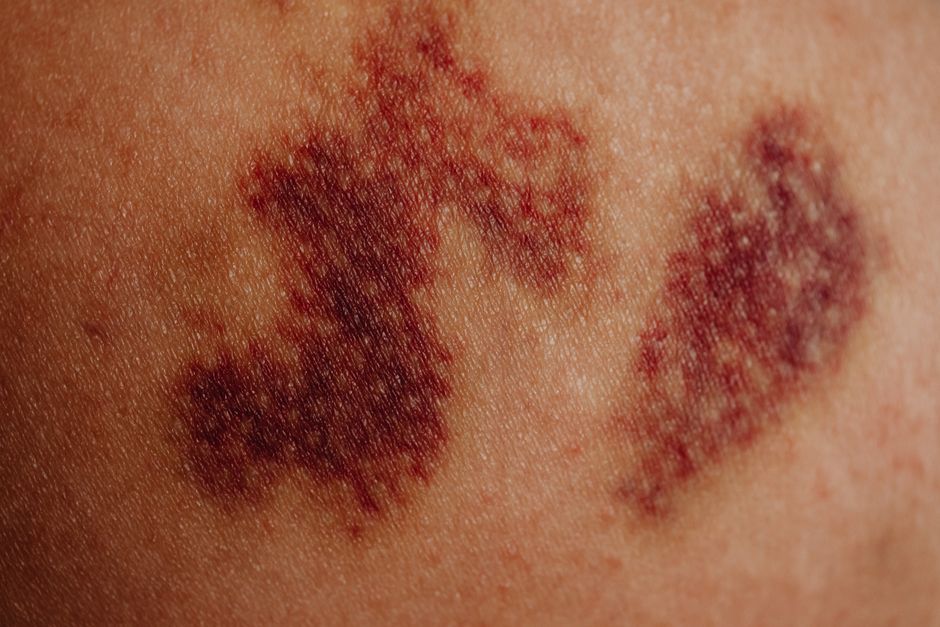
A bone bruise is an injury to the bone that happens when a sudden force crushes the tiny fibers inside the bone. Unlike a broken bone, the bone does not crack all the way through. Most bone bruises take one to two months to heal. But larger bruises or those in weight-bearing joints like the knee, hip, or ankle can take three to four months or longer. Healing time depends on the size of the bruise, your age, your overall health, and how well you rest the injured area.
What Is a Bone Bruise and How Is It Different From a Fracture?
A bone bruise is a type of bone injury that does not break the bone completely. The outer layer of the bone, called the cortex, stays intact. But the inner part of the bone, the cancellous bone, gets compressed and bleeds. This bleeding causes swelling inside the bone, which shows up on an MRI as fluid buildup — doctors call it bone marrow edema.
A fracture, on the other hand, is a complete break through the bone. Fractures almost always require immobilization with a cast or splint and take longer to heal. Bone bruises are less severe than fractures, but they are not minor injuries. They can still cause significant pain and limit your ability to move normally.
Some people confuse a bone bruise with a regular bruise on the skin. A skin bruise happens when small blood vessels under the skin break. A bone bruise involves damage to the actual bone tissue. You cannot see a bone bruise from the outside, but the pain is usually deeper and lasts longer.
How Long Does a Bone Bruise Take to Heal?
For most people, a bone bruise heals in one to two months. That is the typical range for a mild to moderate bone contusion. During this time the body slowly cleans up the damaged tissue and rebuilds new bone cells. The swelling inside the bone goes away gradually.
Healing takes longer when the bruise is large or located in a bone that bears weight. Examples include the bones in the knee, the hip joint, the ankle, or the heel. These areas receive a lot of pressure with every step. That pressure can slow down repair. In those cases, full recovery may take three to four months or even longer.
Age also plays a role. Older adults heal more slowly because bone turnover decreases with age. People with conditions that affect bone health — such as osteoporosis, diabetes, or vitamin D deficiency — may also take longer to heal. Smokers heal more slowly because smoking reduces blood flow to bone tissue.
There is no single timeline that fits every person. Your doctor can give you a better estimate after looking at your MRI results and examining your injury.
What Symptoms Should You Expect?
A bone bruise causes a deep, aching pain that gets worse when you put weight on the injured area. The pain can be constant, but it often sharpens with movement. Swelling is common, though you may not see a visible lump. The skin over the bone may feel tender to the touch.
Stiffness and reduced range of motion are also typical. For example, a bone bruise on the knee can make it hard to fully bend or straighten your leg. You might notice that the joint feels tight or that it hurts to walk up stairs.
Unlike a fracture, a bone bruise usually does not cause a deformity or an inability to move the limb at all. But the pain can be severe enough to stop you from using the area normally. Bruising or discoloration of the skin over the bone can happen but is not always present.
If the pain is sharp, if you cannot bear any weight at all, or if you hear a popping sound at the time of injury, those signs suggest a possible fracture. You should see a doctor for an X-ray or MRI to confirm the diagnosis.




What Is the Best Treatment for a Bone Bruise?
There is no medication that heals a bone bruise faster. The main treatment is rest. You need to avoid activities that put pressure on the injured bone. For a bone bruise in a leg or foot, that often means using crutches to keep weight off the area. For a bone bruise in an arm or hand, you may need to use a sling or brace.
Ice can help reduce pain and swelling. Apply an ice pack wrapped in a thin cloth for 15 to 20 minutes every two to three hours during the first few days. Do not put ice directly on the skin.
Compression with an elastic bandage and elevation above the heart level can also help control swelling. Over-the-counter pain relievers like ibuprofen or acetaminophen may ease discomfort. Ibuprofen can also reduce inflammation. Always follow the dosing instructions on the label and talk to your doctor if you take other medications or have a health condition.
Physical therapy is often recommended once the acute pain subsides. A therapist can guide you through gentle range-of-motion exercises to prevent stiffness and later strengthen the muscles around the injured bone. Returning to full activity too early can worsen the injury and delay healing.
When Should You See a Doctor for a Bone Bruise?
If you have pain that does not improve with rest, ice, and elevation after a few days, you should see a doctor. Also see a doctor if you cannot walk or use the injured area at all, if the area looks deformed, or if you have numbness or tingling beyond the injury site.
X-rays can rule out a fracture, but they often do not show bone bruises. An MRI is the best test to confirm a bone bruise and see how large it is. Some bone bruises involve a small fracture just below the cartilage surface — this is called a subchondral fracture and may need more careful management.
In rare cases, a severe bone bruise in certain bones — such as the femoral head in the hip — can lead to avascular necrosis, where the bone tissue dies because blood supply is disrupted. That is why it is important to follow medical advice and not rush back to high-impact activity.
What Can You Do to Speed Up Recovery?
Recovery from a bone bruise is mostly about patience. But there are a few things that help. First, protect the injured area from further impact. Use crutches, braces, or other supports as directed. Second, eat a balanced diet rich in calcium and vitamin D. These nutrients support bone health. Good sources include dairy products, leafy greens, fortified foods, and fatty fish.
Third, if you smoke, try to quit. Smoking is known to delay bone healing. Fourth, follow your physical therapy plan consistently. Gentle, controlled movement improves blood flow to the area and helps the bone repair itself.
One non-obvious point: complete immobilization for too long can be harmful. Bones need some weight-bearing stimulation to signal the body to rebuild bone tissue. But that stimulation must be gradual and under the guidance of a healthcare provider. Too much too soon, or too little for too long — both can slow healing.
No supplement, cream, or device has been proven in clinical studies to speed up bone bruise healing. If you see a product claiming otherwise, consider it marketing, not evidence.
Frequently Asked Questions
Can a bone bruise heal on its own without treatment?
Yes, a bone bruise can heal on its own if you rest the area and avoid re-injury. But without proper care, healing may take longer and the pain can persist.
Is a bone bruise worse than a fracture?
No. A fracture is a complete break and is generally more severe. A bone bruise is less serious, but it can still cause significant pain and disability if not treated correctly.
Do you need crutches for a bone bruise in your foot or ankle?
Often yes, especially in the first one to two weeks. Crutches take weight off the injured bone and allow it to heal without added pressure.
Can you exercise with a bone bruise?
You should avoid any exercise that puts direct pressure or impact on the bruised bone. Low-impact activities like swimming may be acceptable after the acute pain subsides, but ask your doctor first.
