
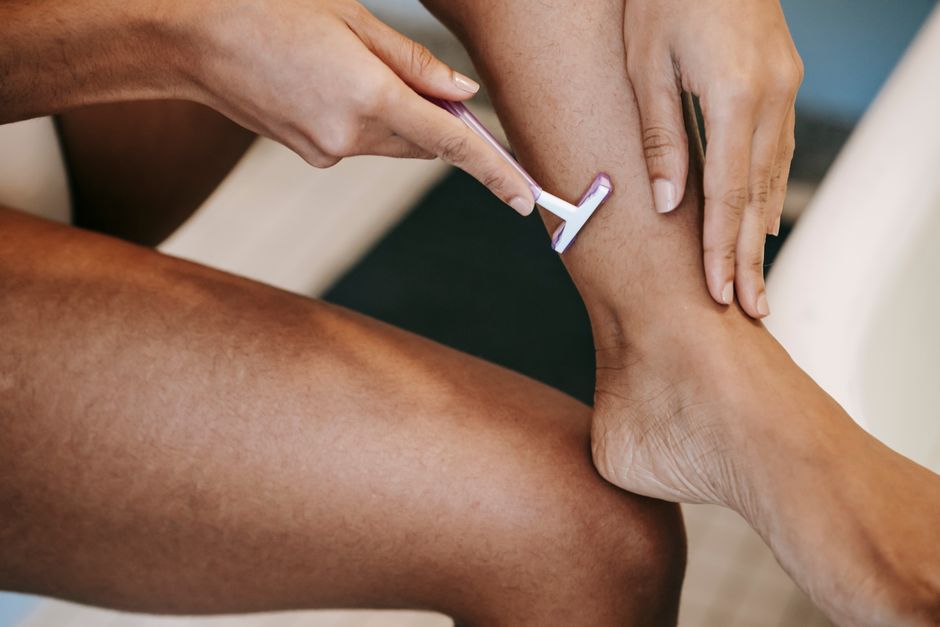
Razor burn is the red, stinging irritation that shows up right after you shave. It happens when a blade pulls and tugs at hair instead of slicing it cleanly, scraping the top layer of skin and triggering inflammation around the hair follicles. Shaving with the grain, using a sharp blade, and adding real lubrication between the blade and your skin are the most reliable ways to prevent it.
It is not an infection and it is not an allergy, though it can look like both. It is a mechanical injury — friction, pressure, and poor technique doing damage to skin that was not prepared for a blade.
What Actually Causes Razor Burn?
Razor burn is a form of irritant contact dermatitis caused by physical trauma, not by a chemical or an allergen. The blade drags across the skin surface, and if hair is not properly softened or the blade is dull, it catches the hair and pulls rather than cuts.
That pulling motion does two things. It lifts the skin slightly, so the blade shaves off a thin layer of the outermost skin cells. And it creates friction that damages the hair follicle opening. The body responds with inflammation — redness, warmth, stinging, and sometimes small raised bumps.
Several factors make this worse:
- Shaving dry. Water softens hair and makes it easier to cut. Dry hair is up to several times stiffer and resists the blade.
- A dull blade. A worn blade does not slice — it tugs. Many people use razors far longer than the blade stays sharp.
- Too much pressure. Pressing harder does not give a closer shave. It drives the blade deeper into skin and increases friction.
- Multiple passes over the same spot. Each pass removes more skin cells and adds more irritation.
- Shaving against the grain. This cuts hair below the skin surface, which can cause the hair to curl back into the skin as it grows — the setup for razor bumps, a related but distinct problem.
There is a useful distinction worth knowing here. Razor burn and razor bumps (the medical term is pseudofolliculitis barbae) are often talked about as the same thing, but they are not. Razor burn is immediate irritation from friction. Razor bumps are ingrown hairs that appear a day or more later, and they are far more common in people with tightly coiled or curly hair. The prevention overlaps, but the cause is different.
What Prevents Razor Burn?
Prevention comes down to reducing friction and protecting the skin surface. Every effective step does one of those two things.
Soften the hair first. Shave at the end of a shower or bath, or after holding a warm, wet cloth against the area for a few minutes. Warm water causes hair to absorb moisture and swell slightly, and it makes the hair easier to cut. This is the single most effective preparation step, and it costs nothing.
Use a real shaving product. Shaving cream, gel, or butter creates a layer between the blade and the skin that reduces friction and helps the razor glide. Bar soap lathers but tends to dry out and does not lubricate as well. If you have sensitive skin, fragrance-free options reduce the chance of a separate irritation reaction on top of the mechanical one.
Use a sharp blade. Replace blades when they start to pull or feel rough. There is no universal rule for how often, because it depends on hair thickness, how much area you shave, and how often. The signal to watch for is tugging, not a calendar date.
Shave with the grain. Follow the direction the hair grows. On the face, that usually means downward on the cheeks and neck, though neck hair can grow in several directions. Take a moment to feel which way yours grows. If you want a closer result, a second pass across the grain is generally gentler than going straight against it.
Use light, short strokes. Long strokes build up friction. Short ones let you control the angle and pressure. Let the blade do the work — do not press down.
Rinse the blade often. Clogged blades drag. Rinse between strokes so hair and shaving cream do not build up between the blades.
Rinse with cool water and moisturize afterward. Cool water soothes the skin. A gentle, fragrance-free moisturizer or aftershave balm helps support the skin barrier while it recovers. Alcohol-based aftershaves sting and can dry the skin further, which is the opposite of what irritated skin needs.
Does Shaving Direction Really Matter?
Yes, and it is one of the most controllable factors. Shaving with the grain cuts hair at or near the skin surface with the least resistance. Shaving against the grain cuts hair below the surface and requires the blade to push against the natural lie of the hair, which increases both friction and the risk of ingrown hairs.
The catch is that shaving with the grain may not feel as close. That is a real trade-off, not a myth. A closer shave and less irritation pull in opposite directions. For people who get razor burn easily, accepting a slightly less close shave is often the difference between calm skin and a red, stinging neck.
If you do want a closer result, the usual approach is one pass with the grain, then a second pass across the grain — never directly against it. Reapplying shaving cream before the second pass matters, because the first pass has already removed the protective layer.





Do Razors, Creams, and Aftershaves Prevent Razor Burn?
Some products help and some are mostly marketing. It is worth separating the two.
Multi-blade razors can give a closer shave, but more blades also mean more passes over the same patch of skin with each stroke, which can increase irritation for some people. Some dermatologists suggest that people prone to razor burn may do better with a single-blade or safety razor, since it removes hair in one clean pass. The evidence here is not strong enough to call one design clearly better for everyone — it depends on your hair and skin.
Shaving creams and gels genuinely reduce friction, and that is their main job. Claims about specific ingredients “protecting” skin are harder to verify. What matters most is that the product stays slick for the whole shave and does not dry out.
Aftershave balms with moisturizing ingredients can help calm skin after shaving. Aftershaves with high alcohol content may sting and dry the skin, which can worsen irritation. There is no product that makes poor technique safe.
One claim worth treating with caution: “sensitive skin” razors and creams. They may help if you also react to fragrance or certain ingredients, but if your razor burn is purely mechanical — from friction and pressure — a gentler formula will not fix a dull blade or a heavy hand.
When Should You See a Doctor?
Most razor burn clears on its own within a few hours to a few days once you stop irritating the skin. See a doctor if the irritation does not improve, gets worse, or spreads.
Get medical care if you notice signs of infection — increasing pain, pus, warmth that keeps growing, or fever. Also see a doctor if you get persistent bumps, darkening of the skin, or scarring in the shaved area, since those can point to ingrown hairs or a condition called pseudofolliculitis barbae that may need treatment beyond shaving changes.
If you have a skin condition like eczema or psoriasis, shaving can trigger flares. A dermatologist can advise on technique and products for your specific skin.
Can You Prevent Razor Burn on Sensitive Areas?
The same principles apply to the bikini line, underarms, and legs, but the skin there is thinner and more prone to irritation. For these areas, a few adjustments help.
- Trim longer hair first with scissors or a trimmer before shaving, so the razor is not fighting through length.
- Use a fresh, sharp blade and change it more often, since these areas have more curves and folds that dull a blade faster.
- Pull the skin gently taut to create a flat surface, which reduces the chance of nicking and dragging.
- Shave with the grain, even if it means a less close result.
- Skip shaving over irritated or freshly shaved skin. Give it a day or more to recover.
Waxing, depilatory creams, and laser hair removal are alternatives, but each has its own risks. Depilatory creams contain chemicals that can burn sensitive skin, so patch-test first. Laser and electrolysis reduce hair over time but require professional treatment and are not risk-free. None of these are a guaranteed fix, and results vary.
What About Shaving Every Day?
Daily shaving is fine for many people, but if you get razor burn often, shaving less frequently gives skin time to recover between sessions. The skin barrier needs time to rebuild after friction. If you must shave daily, focus on preparation, a sharp blade, and light pressure — those matter more than frequency alone.
Some people find that alternating methods — shaving one day, using a trimmer the next — reduces irritation. There is no single schedule that works for everyone. Pay attention to how your skin responds and adjust.
Frequently Asked Questions
Does shaving with cold water prevent razor burn?
Cold water can soothe skin and reduce inflammation, but warm water is better for softening hair before you shave. The most effective approach is to soften hair with warm water first, then rinse with cool water afterward.
Is razor burn the same as razor bumps?
No. Razor burn is immediate friction irritation, while razor bumps are ingrown hairs that appear a day or more later. They have different causes and are more common in people with curly hair.
How long does razor burn last?
Most razor burn clears within a few hours to a few days once you stop irritating the skin. If it does not improve, gets worse, or shows signs of infection, see a doctor.
Can I prevent razor burn without shaving cream?
Shaving cream or gel reduces friction, which is the main cause of razor burn. Without any lubricant, the blade drags more directly on skin, so the risk of irritation goes up.
