
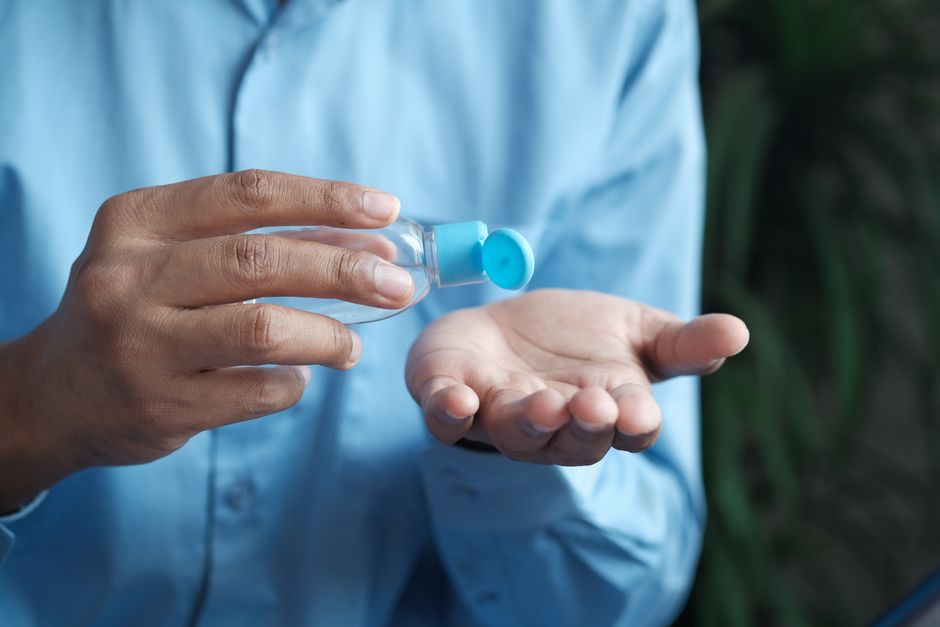
Sanitizing bottles is simple once you know the rules: wash them with hot, soapy water, rinse well, then kill remaining germs with boiling water, steam, or a dishwasher’s sanitize cycle. For baby bottles, sterilization matters most before the first use and while your infant is under three months old or has a weakened immune system. For regular water bottles, a thorough hot soapy wash is usually enough, but periodic sanitizing prevents mold and bacteria buildup.
Why Sanitizing Bottles Matters More Than You Think
Bottles collect more than just water and leftover drink. They collect saliva, bacteria, and microscopic food particles. Every time you drink from a bottle, you introduce mouth bacteria into it. If you do not wash it properly, those bacteria multiply.
Mold is a real concern too. Dark, damp bottle interiors are the perfect place for mold to grow. This is especially true for bottles with straws, valves, and other hard-to-reach parts. Many people think they are drinking clean water when they are actually drinking from a bottle colonized with biofilm — a slimy layer of bacteria that clings to plastic and silicone.
The stakes are higher for infants. A baby’s immune system is not fully developed. Bacteria that would not bother an adult can cause serious illness in a newborn. That is why pediatric guidance has long recommended sterilizing bottles and nipples for young infants.
How Do You Sanitize Bottles? The Complete Step-by-Step Process
Sanitizing is not the same as washing. Washing removes dirt and most germs. Sanitizing reduces the remaining germs to a safe level. You need to do both.
Start by taking the bottle completely apart. Remove the nipple, collar, cap, straw, and any valves. Each piece must be cleaned separately because bacteria hide in the crevices where parts connect.
Rinse every part under warm running water to remove loose debris. Then wash each piece in hot, soapy water. Use a dedicated bottle brush that reaches the bottom of the bottle. Squeeze soapy water through the nipple holes to clear milk or formula residue. Pay special attention to the threads where the nipple screws onto the bottle — formula and milk collect there.
Rinse everything thoroughly. Soap residue can irritate a baby’s stomach and leave an unpleasant taste in adult bottles. After rinsing, you are ready to sanitize.
There are three reliable sanitizing methods: boiling, steaming, and dishwasher sanitizing. Each works well when done correctly.
Boiling: The Classic Method
Boiling is simple and requires no special equipment. Place all bottle parts in a large pot of water. Make sure every piece is fully submerged with no air pockets trapped inside. Bring the water to a rolling boil and let it boil for five minutes. Use tongs to remove the parts and let them air-dry completely on a clean towel.
Boiling works because sustained high heat destroys bacteria, viruses, and mold spores. Five minutes at a rolling boil is the standard recommendation. Do not boil longer than necessary — extended boiling can damage plastic bottles and cause silicone nipples to break down faster.
Steam Sterilizing: Fast and Effective
Electric steam sterilizers and microwave steam bags are popular because they are quick. They work by exposing bottle parts to high-temperature steam for several minutes. Follow the manufacturer’s instructions for your specific device. Most electric sterilizers run a cycle in about 8 to 10 minutes and keep bottles sterile for several hours if the lid stays closed.
Microwave steam bags typically take about 2 to 3 minutes. They are convenient for travel but require access to a microwave. Always check that your bottles are microwave-safe before using this method.
Dishwasher Sanitizing: The Easiest Option
Many modern dishwashers have a sanitize cycle that reaches temperatures high enough to kill germs. Place bottle parts on the top rack, upside down, so water drains out of them. Make sure all parts are dishwasher-safe before you run the cycle. Check the bottle manufacturer’s label — not all plastics can withstand high dishwasher heat.
If your dishwasher does not have a sanitize cycle, do not assume the regular cycle is enough. Standard dishwasher cycles often do not reach the sustained temperatures needed for true sanitizing.
How Often Should You Sanitize Bottles?
For baby bottles, the guidance changes with age. For infants under three months, especially premature babies or those with health conditions, sterilize bottles before every use. This is the period when babies are most vulnerable to infection.
Between three months and one year, daily sterilization is still commonly recommended by pediatric experts. Some parents sterilize less frequently after three months, but the safer approach is to continue daily sterilization until your baby is at least one year old.
After the first birthday, a thorough wash with hot, soapy water is generally sufficient. The child’s immune system has matured enough to handle the small number of germs that survive regular washing.
You should always sterilize a new bottle before its first use, regardless of your child’s age. Bottles are not sterile when they come out of the package — they have been handled and stored in factories and warehouses.
For adult reusable water bottles, daily washing with soap and water is the baseline. Sanitizing once a week is a reasonable practice, and you should sanitize immediately after illness or if you notice any mold or odor. If you use your bottle for anything other than water — like juice, sports drinks, or smoothies — sanitize more often because sugar residue feeds bacteria faster.



What Kills Germs and What Does Not
Understanding what actually kills germs helps you avoid common mistakes. Heat above 160°F (71°C) kills most harmful bacteria and viruses when sustained for a sufficient time. Boiling water reaches 212°F (100°C) at sea level, which is why boiling is so reliable.
White vinegar is frequently shared as a sanitizing hack on social media. Vinegar does have some antibacterial properties, but it is not a registered sanitizer and does not reliably kill all harmful bacteria or mold. Do not rely on vinegar alone to sanitize bottles.
Dish soap is excellent for removing dirt and germs through mechanical action — the scrubbing physically lifts bacteria off surfaces. But dish soap does not kill all germs. That is why sanitizing is a separate step.
Bleach solutions can sanitize, but they are rarely the right choice for bottles. If you ever use bleach, you must rinse the bottles extremely thoroughly afterward. For most people, heat-based methods are simpler and safer.
One common myth deserves direct correction: freezing does not kill bacteria. It only stops their growth. Putting a bottle in the freezer to “clean” it does nothing to eliminate germs.
Plastic, Glass, or Stainless Steel: Does Material Matter?
Yes, the material of your bottle changes how you should sanitize it.
Plastic bottles are lightweight and shatterproof, but they do not handle heat as well as other materials. Repeated boiling or dishwasher sanitizing can cause plastic to degrade, warp, or develop micro-cracks. These tiny imperfections can harbor bacteria that washing cannot reach. If a plastic bottle becomes cloudy, scratched, or warped, replace it.
Glass bottles handle heat beautifully. They can be boiled repeatedly without damage. The main downside is that they break if dropped. Glass is an excellent choice for parents who want a durable, heat-tolerant option.
Stainless steel bottles are durable and do not retain odors. They can handle boiling, but check the manufacturer’s instructions for the lid and any plastic or silicone components. Those parts may not tolerate high heat even if the steel body does.
Silicone parts — like nipples, straws, and seals — are heat-resistant but not indestructible. Over time, boiling makes silicone cloudy and less elastic. Inspect these parts regularly and replace them when they show signs of wear.
How to Dry Bottles After Sanitizing
How you dry bottles matters as much as how you sanitize them. Bacteria and mold thrive in moisture. A bottle that sits wet in a closed cabinet can re-contaminate within hours.
After sanitizing, place all parts on a clean, dry dish towel or a dedicated bottle-drying rack. Leave them in the open air until completely dry. Do not use a kitchen towel to dry the inside of bottles — towels carry their own bacteria. Air-drying is always the safest option.
For baby bottles, once parts are fully dry, you can assemble them and store them in a clean, dry place. Some parents prefer to assemble bottles immediately after sterilizing to keep the inside surfaces protected from airborne germs.
For adult bottles, the same rule applies: let every part dry fully before reassembling. A bottle with a damp straw or valve is a breeding ground for mold.
Signs Your Bottle Needs Replacing
Sanitizing does not make a bottle last forever. Bottles wear out, and worn bottles become unsafe no matter how well you clean them.
Replace a bottle if you see any of the following: visible cracks or scratches, cloudiness or discoloration that does not wash off, a persistent odor that remains after cleaning, or warped or misshapen parts. Nipples should be replaced when they become sticky, discolored, or develop tears. A nipple with a torn hole can break apart and become a choking hazard.
Most manufacturers recommend replacing plastic bottles every few months if used daily. Glass and stainless steel bottles last much longer — often years — as long as the non-metal parts are replaced when worn.
If a bottle has been used by a sick person, sanitize it thoroughly. If the illness was serious or you are unsure whether sanitizing was effective, replacing the bottle is the cautious choice.
Frequently Asked Questions
Can I sanitize bottles with just hot water and soap?
Hot water and soap remove dirt and most germs, but they do not reliably kill all bacteria and mold spores. For true sanitizing, you need heat above 160°F, such as boiling water, steam, or a dishwasher sanitize cycle.
How long should I boil baby bottles to sterilize them?
Boil all bottle parts fully submerged for five minutes at a rolling boil. Remove with tongs and let everything air-dry completely on a clean surface.
Is it safe to sanitize plastic bottles in the dishwasher?
Only if the bottle is labeled dishwasher-safe and your dishwasher has a sanitize cycle. High heat can warp or degrade some plastics, so check the manufacturer’s instructions first.
Do I need to sanitize bottles after every use?
For babies under three months or with weakened immune systems, yes — sterilize before every use. For older babies, daily sterilization is commonly recommended. For adult bottles, a hot soapy wash after each use with weekly sanitizing is sufficient.
