
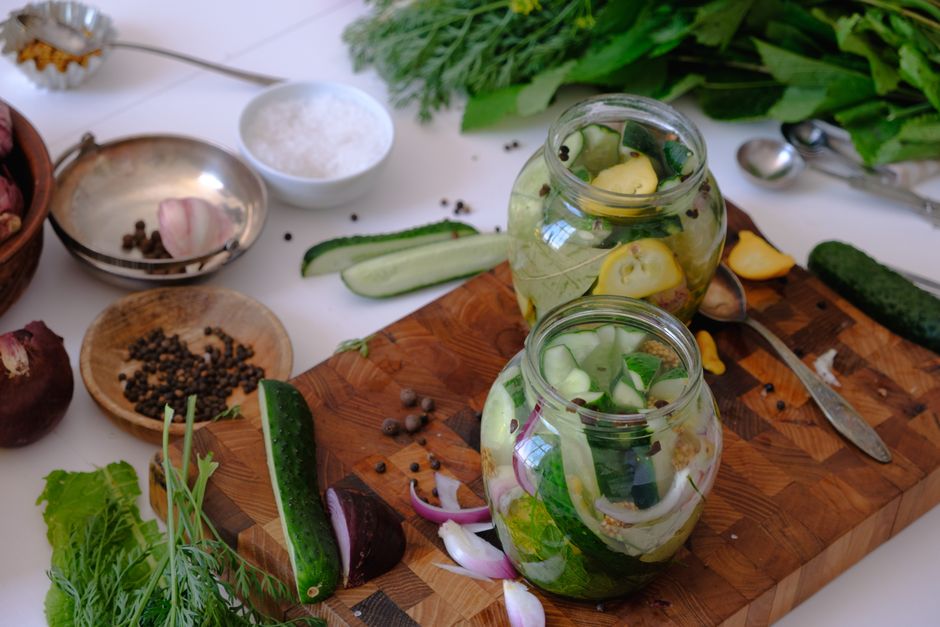
Pickles are good for adding probiotics to your diet, but only if you choose the right kind. Fermented pickles — the kind made with salt and water, not vinegar — contain live bacteria that support gut health. They are also a low-calorie snack that can help with hydration and provide small amounts of vitamin K and potassium. The catch is that most pickles on grocery store shelves are vinegar-based and offer none of these gut benefits.
What Pickles Are Good For Your Gut Health?
Fermented pickles are the ones that matter for gut health. During fermentation, naturally occurring bacteria eat the sugars in cucumbers and produce lactic acid. This process creates live probiotics — the same kind found in yogurt and kimchi. The key is that the pickles must be made with salt brine, not vinegar. Vinegar pickles skip fermentation entirely. They taste sour but contain no live bacteria. A study published in the journal Nutrients found that fermented vegetables increase the diversity of gut bacteria in people who eat them regularly. Not all pickles qualify. Check the label. If it says “fermented” or lists salt as the main ingredient after cucumbers, you have the right kind. Many brands sold refrigerated in the deli section are also fermented. Shelf-stable pickles in the middle aisle almost never are.
What Pickles Are Good For Electrolytes and Hydration?
Pickle juice is a known source of sodium and potassium. These are two key electrolytes your body loses when you sweat. Some athletes drink small amounts of pickle juice to prevent muscle cramps. Research from the Journal of Athletic Training found that drinking pickle juice relieved muscle cramps faster than drinking water. The theory is that the sodium triggers a nerve reflex that stops the cramping. But the effect is short-term. Pickle juice does not rehydrate you better than water over time. It is high in sodium — about 800 to 1,200 milligrams per cup. That is more than half the daily limit for most adults. A few sips before or after exercise may help. Drinking a full cup is not recommended. If you have high blood pressure or kidney issues, pickle juice is likely not a good choice for you. The CDC reports that about 47% of US adults have hypertension, and high sodium intake makes it worse. For most people, water and a balanced diet are better for daily hydration.
Does What Pickles Are Good For Include Vitamins and Minerals?
Pickles contain small amounts of vitamin K, vitamin A, and potassium. A single medium dill pickle provides about 15% of your daily vitamin K needs. Vitamin K helps with blood clotting and bone health. Potassium supports muscle function and blood pressure regulation. But the amounts are modest. You would need to eat several pickles to get a meaningful dose of any nutrient. The bigger concern is the sodium content. One pickle can have 300 to 500 milligrams of sodium. That is more than 20% of the American Heart Association’s recommended daily limit of 1,500 milligrams. If you eat pickles for the vitamins, you also get a lot of salt. There is no way around this. The pickling process requires salt for preservation and flavor. Some brands offer low-sodium versions, but they are harder to find and often taste different. If you want the vitamins without the sodium, fresh cucumbers are a better choice. They have similar amounts of vitamin K and potassium with almost no sodium.





What Are the Side Effects of Eating Pickles?
The main side effect is high sodium intake. Eating too many pickles can raise blood pressure, cause water retention, and increase thirst. People with kidney disease or heart conditions need to be especially careful. The American Heart Association states that high sodium diets are linked to higher risks of stroke and heart disease. Another issue is acidity. Pickles are made with vinegar or lactic acid. For most people, this is fine. But if you have acid reflux or GERD, pickles can trigger symptoms. A study in Archives of Internal Medicine found that acidic foods like pickles can worsen reflux in sensitive individuals. Some people also report bloating or gas after eating fermented pickles. This is usually temporary as your gut adjusts to the new bacteria. If you have a histamine intolerance, fermented foods may cause headaches, rashes, or digestive issues. This is rare but real. Start with a small amount — one pickle per day — and see how your body responds. If you feel fine, you can eat more. If you notice symptoms, cut back or switch to vinegar pickles, which have less histamine.
How to Choose the Best Pickles for Health
Not all pickles are created equal. Here is how to pick the ones that actually offer health benefits.
- Look for “fermented” on the label. This means live probiotics are present. If it says “vinegar” first, it is not fermented.
- Check the refrigerator section. Fermented pickles are usually sold refrigerated because they contain live bacteria. Shelf-stable jars are almost always vinegar-based.
- Read the sodium content. Some brands have 400 mg per serving. Others have 800 mg. Choose the lower option if you watch your salt intake.
- Watch for added sugar. Sweet pickles and bread-and-butter pickles can have 5 to 10 grams of sugar per serving. Dill pickles usually have zero.
- Look for organic if pesticides are a concern. Cucumbers are on the Environmental Working Group’s “Dirty Dozen” list, meaning they often carry pesticide residue. Organic pickles reduce that risk.
| Pickle Type | Probiotics | Sodium (per medium pickle) | Added Sugar |
|---|---|---|---|
| Fermented dill (refrigerated) | Yes | 300-500 mg | No |
| Vinegar dill (shelf-stable) | No | 300-500 mg | No |
| Bread and butter | No | 200-300 mg | Yes (5-10 g) |
| Low-sodium dill | Depends | 100-200 mg | No |
| Sweet gherkin | No | 100-200 mg | Yes (10-15 g) |
Common Misconceptions About Pickles
Many people think pickles are a health food because they are low in calories. That part is true. A dill pickle has about 5 to 10 calories. But low calorie does not automatically mean healthy. The sodium content is high enough to cancel out some benefits for people with certain conditions. Another myth is that all pickles contain probiotics. This is false. Only fermented pickles have live bacteria. Vinegar pickles are pasteurized or heated, which kills any bacteria. The label will tell you. If it says “naturally fermented” or “live cultures,” you are getting probiotics. If it does not say anything, assume it is vinegar-based. Some people also believe that pickle juice is a cure for hangovers. There is no clinical evidence for this. The sodium may help with rehydration, but alcohol also dehydrates you in ways that sodium alone cannot fix. Water and rest are still the best hangover remedies.
Another claim is that pickles help with weight loss. The logic is that they are low calorie and the vinegar may slightly lower blood sugar spikes after meals. A small study in the Journal of Diabetes Research found that vinegar before a meal reduced post-meal blood sugar in people with type 2 diabetes. But the effect was small and the study used straight vinegar, not pickles. The amount of vinegar in a pickle is much lower. Relying on pickles for weight loss is not supported by strong evidence. They can be part of a healthy diet, but they are not a weight loss tool on their own.
Frequently Asked Questions
Are pickles good for you every day?
Eating one or two fermented pickles daily is fine for most people, but the high sodium means you should balance it with low-sodium foods throughout the day.
Do pickles have any health benefits?
Fermented pickles provide probiotics that support gut health, and all pickles offer small amounts of vitamin K and potassium.
What type of pickle is healthiest?
Fermented dill pickles made with salt brine and no added sugar are the healthiest because they contain live probiotics and have no extra calories from sugar.
Can pickle juice help with muscle cramps?
Some evidence suggests a small amount of pickle juice may relieve muscle cramps faster than water, but the effect is short-term and not a cure for chronic cramping.
