
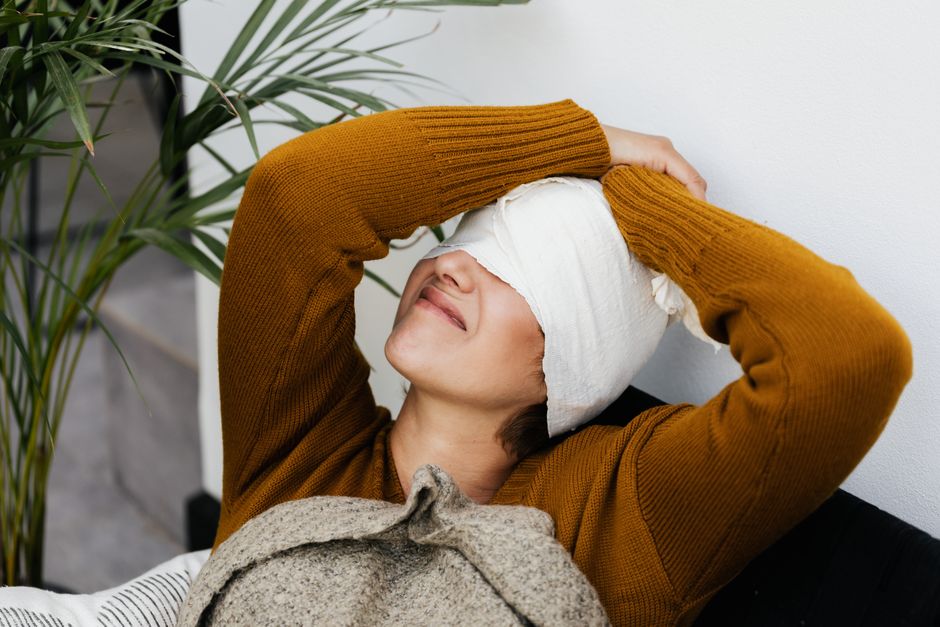
Most headaches are tension headaches or migraines, and most can be managed at home without a trip to the doctor. For a typical tension headache, start with rest, hydration, and an over-the-counter pain reliever like ibuprofen or acetaminophen. For a migraine, move to a quiet, dark room, apply a cold compress to your forehead, and take your medication early — that timing matters. If your headache is sudden and severe, or comes with confusion, weakness, or trouble speaking, get emergency medical help immediately.
How Do I Know What Kind of Headache I Have?
Identifying the type of headache is the first step in treating it. Tension headaches are the most common. They feel like a tight band around your head. The pain is usually mild to moderate and affects both sides. Migraines are different. They often cause throbbing pain on one side, sensitivity to light and sound, and sometimes nausea. Some people see visual disturbances called an aura before a migraine starts.
Cluster headaches are less common but much more painful. They come in cycles and cause intense pain around one eye. Sinus headaches cause pressure in the face, forehead, and behind the eyes. They usually follow a cold or allergy flare-up. Medication overuse headaches are a separate category. They happen when you take pain relievers too often — typically more than two or three days per week. The medication stops working and the headache returns as it wears off, creating a cycle.
What To Do For Headache: First Steps That Work
Start with the basics before reaching for medication. Dehydration is a common trigger. Drink a full glass of water. If you have not eaten in several hours, eat something light. Low blood sugar can cause headaches in some people.
Rest in a quiet, dimly lit room. Close your eyes and relax your jaw, neck, and shoulders. Many tension headaches involve muscle tightness in the neck and shoulders. A warm shower or a heating pad on the back of your neck can help relax those muscles. For migraines, a cold compress on the forehead or the back of the neck often provides more relief than heat.
Caffeine is a double-edged sword. For some people, a small amount of caffeine helps pain relievers work faster. For others, caffeine withdrawal triggers headaches. If you regularly drink caffeinated beverages, keep your intake consistent. If you do not, there is no reason to start.
Which Over-the-Counter Medications Help?
The main options are acetaminophen (Tylenol), ibuprofen (Advil, Motrin), and naproxen (Aleve). Aspirin also works for some people. These are all effective for tension headaches. For migraines, ibuprofen and naproxen are generally more effective than acetaminophen because they reduce inflammation.
Take the medication as soon as you notice the headache starting. Waiting makes it harder to control. Follow the dosing instructions on the label. Do not combine multiple products that contain acetaminophen — many cold medicines already include it, and taking too much can damage your liver.
If you have certain medical conditions, check with a pharmacist or doctor before taking these. People with kidney disease, stomach ulcers, or a history of gastrointestinal bleeding should avoid NSAIDs like ibuprofen and naproxen. Pregnant women should talk to their obstetrician before taking any pain reliever.





When Should I See a Doctor for Headaches?
Occasional headaches that respond to home treatment do not require a doctor’s visit. But some patterns warrant medical attention. See a doctor if you have headaches more than 15 days per month, or if you need pain relievers more than two days per week. These patterns put you at risk for medication overuse headaches and suggest an underlying issue worth evaluating.
Also see a doctor if your headaches are getting worse over time, if they wake you from sleep, or if they started after age 50. New headaches in older adults deserve evaluation. Headaches that change in character — different pain, different location, different triggers — are worth discussing with a clinician.
A doctor can help identify triggers, rule out secondary causes, and prescribe preventive medications if needed. For chronic migraines, several preventive options exist, including blood pressure medications, antidepressants, and newer CGRP inhibitors. These require a prescription and should be discussed with a specialist.
What Are the Warning Signs of a Dangerous Headache?
Most headaches are not emergencies. But some require immediate medical attention. The mnemonic SNNOOP10 is used by clinicians to screen for dangerous headaches. The key warning signs you should know are:
- A sudden, severe headache that reaches maximum intensity within a minute — often called a thunderclap headache
- A headache with fever and a stiff neck
- A headache after a head injury
- A headache with confusion, weakness, numbness, or trouble speaking
- A headache with vision changes or double vision
- A new type of headache in someone over 50
- A headache in a person with cancer, HIV, or a weakened immune system
- A headache that is worse with coughing, bending, or physical exertion
A thunderclap headache can indicate a subarachnoid hemorrhage, a type of bleeding in the brain. This is a medical emergency. Call 911 or go to an emergency room. Do not wait to see if it improves.
How Can I Prevent Headaches Before They Start?
Prevention is more effective than treatment for frequent headaches. The most important step is identifying your personal triggers. Keep a headache diary for a few weeks. Record when headaches start, what you ate, how you slept, your stress level, and any medications you took. Patterns become clear quickly.
Common triggers include skipped meals, dehydration, irregular sleep, stress, and specific foods. Aged cheeses, processed meats, chocolate, and red wine are common migraine triggers, though individual responses vary. Alcohol is a trigger for many people. Hormonal changes, especially around menstruation, trigger migraines in some women.
Sleep regularity matters more than sleep duration. Going to bed and waking at the same time every day — including weekends — reduces headache frequency in many people. Stress management through exercise, mindfulness, or therapy helps some people. Regular aerobic exercise has been shown to reduce migraine frequency, though intense exercise can trigger headaches in some individuals.
Do Alternative Treatments Actually Work?
Some alternative treatments have solid evidence. Others do not. Magnesium supplements, particularly magnesium citrate or glycinate, have shown benefit in some migraine studies. Riboflavin (vitamin B2) at higher doses has also shown benefit in clinical trials. Coenzyme Q10 has some supporting evidence. These are generally safe but take several weeks to work.
Acupuncture has been studied for headache prevention. Some trials show benefit, particularly for tension headaches. The evidence is not overwhelming, but it is reasonable to try if you have access to a licensed practitioner. Butterbur extract has shown benefit in some migraine trials, but concerns about liver toxicity limit its use. Do not take butterbur without discussing it with a doctor first.
Physical therapy helps some people with tension headaches, especially those related to neck posture. A therapist can teach exercises to strengthen neck and upper back muscles. Biofeedback, which teaches you to control physiological responses like muscle tension, has evidence for both tension headaches and migraines.
Be cautious with supplements. The FDA does not regulate them as strictly as medications. Quality varies between brands. Tell your doctor about any supplements you take, because some interact with prescription medications.
Frequently Asked Questions
What is the fastest way to get rid of a headache?
The fastest approach is to take an over-the-counter pain reliever like ibuprofen or acetaminophen at the first sign of pain and rest in a quiet, dark room. Drinking water and applying a cold compress can also help within 20 to 30 minutes.
Why won’t my headache go away with medication?
If medication is not working, you may be taking it too late, taking too low a dose, or dealing with a medication overuse headache. Taking pain relievers more than two days per week can actually cause daily headaches that do not respond well to treatment.
Can dehydration cause headaches?
Yes, dehydration is a well-documented headache trigger. Even mild fluid loss can cause head pain, and drinking a glass of water is one of the simplest first steps for relief.
When should I go to the ER for a headache?
Go to the emergency room if your headache is sudden and severe, if it comes with a stiff neck and fever, or if you have confusion, weakness, or trouble speaking. These can be signs of a serious condition like bleeding in the brain or meningitis.
