
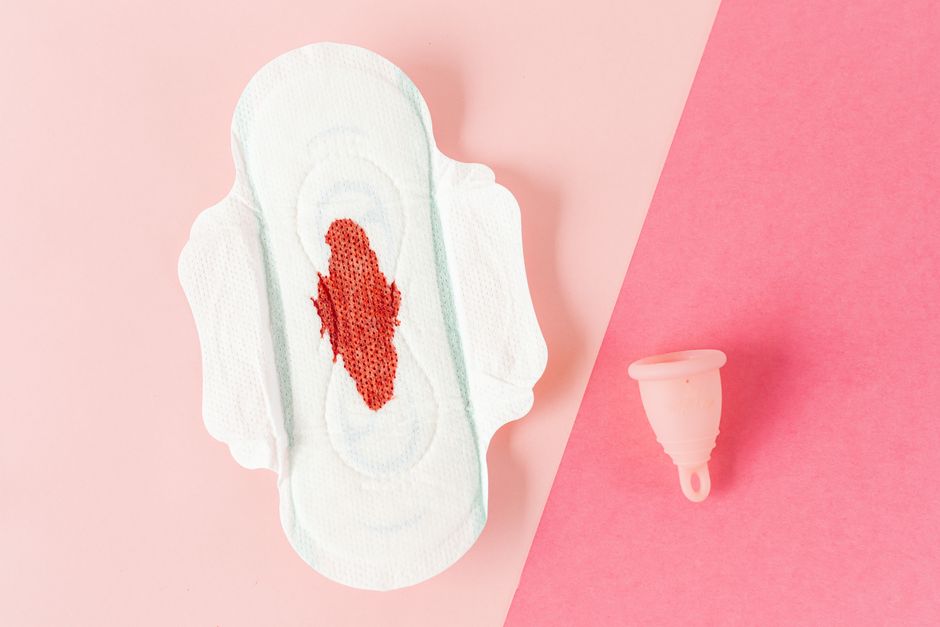
Your period is the menstrual phase of the menstrual cycle. It is the first phase, starting on day one of bleeding and typically lasting between three and seven days. During this time the uterus sheds its lining, which leaves the body as menstrual blood.
What Phase Of The Menstrual Cycle Is Your Period?
The menstrual cycle is divided into four phases: the menstrual phase, the follicular phase, ovulation, and the luteal phase. Your period is the menstrual phase. It begins on the first day of bleeding and ends when the bleeding stops. This phase overlaps with the early part of the follicular phase, but they are separate stages. The menstrual phase is the shedding phase. The follicular phase is the preparation phase for the next egg.
How Long Does the Menstrual Phase Last?
A typical menstrual phase lasts between three and seven days. The average is about five days. But every person is different. A period that lasts two to seven days is still considered normal. The total cycle length can range from 21 to 35 days in adults, with day one being the first day of the period.
The duration of bleeding can change over a person’s lifetime. Teenagers may have longer or more irregular periods. As someone approaches menopause, periods may become shorter or longer. There is no single “normal” length for everyone. What matters most is a consistent pattern for that individual.
What Happens in the Body During the Menstrual Phase
Hormone levels drop at the beginning of the menstrual phase. Estrogen and progesterone fall sharply because no pregnancy occurred. This drop signals the uterus to contract and shed its inner lining, called the endometrium. The shed tissue and blood travel through the cervix and out of the vagina.
The ovaries are not inactive during this time. Even while the uterus is shedding, the pituitary gland begins to release follicle-stimulating hormone (FSH). FSH starts to stimulate the growth of several small follicles in the ovaries. Each follicle contains an egg, but usually only one will fully mature. So the body is already starting to prepare for the next ovulation even as the current period ends.
Cramps during the menstrual phase are caused by chemicals called prostaglandins. Prostaglandins make the uterine muscles contract to help expel the lining. Higher levels of prostaglandins are linked to more painful cramps. Over-the-counter anti-inflammatory medications like ibuprofen can reduce prostaglandin production and ease discomfort.



The Menstrual Phase vs. The Follicular Phase – What’s the Difference?
Many sources combine the menstrual and follicular phases, but they are not the same. The menstrual phase is the bleeding part. The follicular phase starts on the same day but continues after bleeding stops until ovulation.
During the follicular phase, estrogen levels rise steadily as a dominant follicle grows in the ovary. This estrogen rebuilds the uterine lining that was just shed. The menstrual phase is about shedding, while the follicular phase is about building back up. Confusing them is common, but the distinction matters for tracking fertility and understanding hormonal patterns.
Can the Menstrual Phase Vary From Person to Person?
Yes, and it varies in more ways than just length. Some people have light bleeding throughout, others have heavy flow for the first two days and then light spotting. Color can range from bright red to dark brown. Clots are normal as long as they are small and not excessive. A period that consistently lasts longer than seven days or soaks through a pad or tampon every hour may require medical evaluation.
Bleeding patterns also change with hormonal contraception. Birth control pills, hormonal IUDs, and implants often make periods lighter, shorter, or stop them entirely. That is because these methods prevent ovulation and thin the uterine lining so there is less to shed. On some hormonal contraceptives, what looks like a period is actually withdrawal bleeding, which is different from a natural menstrual period.
How Does the Menstrual Phase Connect to Fertility?
The menstrual phase marks the start of a new cycle and the end of the previous cycle’s fertile window. Pregnancy cannot occur during the period itself because ovulation has not yet happened. However, sperm can survive inside the reproductive tract for up to five days. If someone has a short cycle and ovulates early, having sex on the last day of their period could lead to pregnancy.
For many people, tracking periods is the first step in understanding their fertility. The day your period starts is cycle day one. Counting forward from that day helps predict when ovulation will occur. Ovulation typically happens about 14 days before the next period, not 14 days after the last one. This means a person with a 28‑day cycle usually ovulates around day 14, and a person with a 35‑day cycle around day 21. The menstrual phase itself is not directly fertile, but it is essential for establishing the cycle timeline.
Common Symptoms During the Menstrual Phase
Beyond bleeding, the menstrual phase can bring a range of symptoms. These include cramping, bloating, fatigue, breast tenderness, headaches, and mood changes. Many of these are caused by the rapid drop in hormones, especially progesterone. Prostaglandins also contribute to pain and gastrointestinal symptoms like nausea or diarrhea.
Not everyone experiences symptoms. Those who do can often manage them with rest, heat packs, light exercise, and over‑the‑counter pain relievers. Heavy bleeding or severe pain that interferes with daily life is not normal and should be discussed with a healthcare provider. Conditions like endometriosis, fibroids, or polyps can cause unusually painful or heavy periods.
It is also common for people to feel more tired during the first few days of their period. Iron loss from bleeding can contribute to fatigue, especially if blood loss is heavy. Eating iron‑rich foods such as lean red meat, beans, spinach, or fortified cereals may help. If fatigue is severe or persistent, a healthcare provider can check for anemia.
Frequently Asked Questions
Can I get pregnant during my period?
It is very unlikely but possible if you have a short cycle and ovulate early. Sperm can live inside the body for up to five days, so sex on the last day of a period could lead to pregnancy if you ovulate a few days later.
Is it normal to have clots during your period?
Small clots that are occasional and about the size of a raisin or smaller are normal. Large clots or heavy bleeding that soaks through a pad or tampon every hour for several hours in a row should be checked by a doctor.
What phase comes right after your period ends?
After the menstrual phase ends, the follicular phase continues. During this time estrogen levels rise, the uterine lining rebuilds, and a follicle in the ovary matures until ovulation occurs.
Does the menstrual phase always start on day one of bleeding?
Yes. Cycle day one is always the first day of full menstrual flow, not spotting. Spotting that occurs a day or two before heavier flow is not counted as day one. This definition is standard for medical tracking and fertility awareness.
