
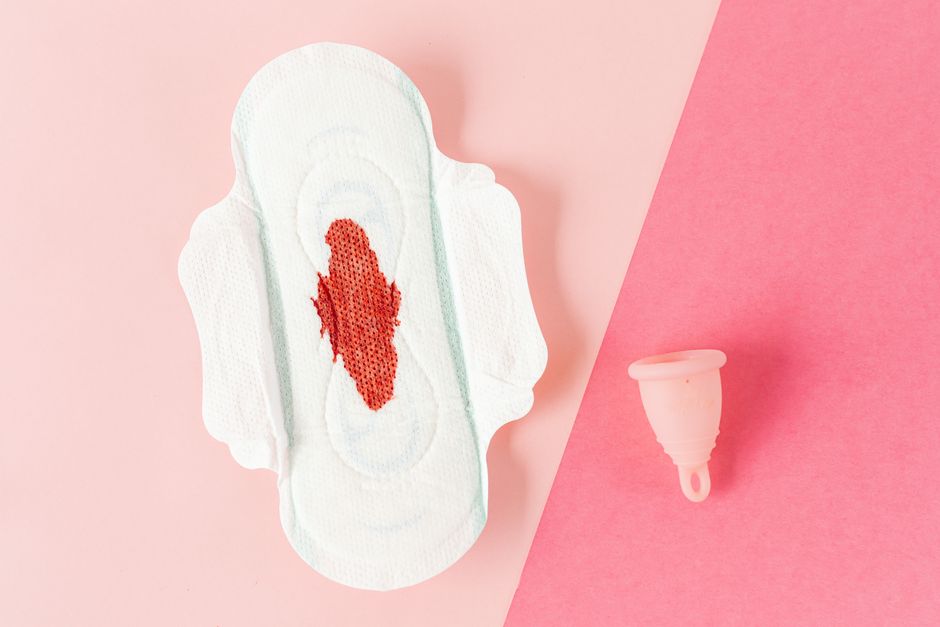
If you use a menstrual cup, the general rule is to empty, rinse, and reinsert it every 12 hours. Most manufacturers and health experts agree that a menstrual cup can be worn safely for up to 12 hours at a time, which is significantly longer than tampons or pads. You should change it at least twice in a 24-hour period — once in the morning and once in the evening. This 12-hour window is based on the cup’s capacity and the risk of bacterial growth, not on any hard safety cutoff. For most people with an average flow, this schedule works well and is the main reason cups are so convenient.
What Determines How Often You Need to Change Your Menstrual Cup?
The frequency of changing your menstrual cup depends mostly on your flow volume. On heavy days, you may need to empty it every 4 to 6 hours. On light days, you can go the full 12 hours without issue. The cup’s capacity also matters. Most cups hold between 20 and 30 milliliters. A typical period loses about 30 to 40 milliliters total over the entire cycle. So on your heaviest day, you might fill a cup in half a day.
Your individual anatomy and cup fit play a role too. A cup that sits lower or leaks slightly may need more frequent emptying. Some people find that their cup shifts during exercise or sleep, causing leaks before it is actually full. Pay attention to your own patterns. If you notice leaking after 6 hours, change it sooner. The 12-hour guideline is a starting point, not a strict rule for everyone.
What Does Research Say About Changing Your Menstrual Cup?
Studies on menstrual cup safety are limited but consistent. Research published in the journal BMJ Sexual & Reproductive Health found that menstrual cups are safe and effective, with no increased risk of infection when used correctly. The study noted that cups can be worn for up to 12 hours without significant bacterial overgrowth. The key is proper hygiene — washing your hands before insertion and rinsing the cup with clean water each time you empty it.
The FDA does not regulate menstrual cups as strictly as tampons, but manufacturers conduct their own safety testing. A 2019 review in The Lancet Public Health analyzed 43 studies and found that menstrual cups are comparable to disposable products in safety and have lower rates of leakage. The review did not find evidence that longer wear times increase health risks, as long as you follow basic cleaning steps. The main risk is not from the cup itself but from forgetting to clean it properly between uses.
How Does Changing a Menstrual Cup Compare to Tampons and Pads?
Menstrual cups last much longer between changes than tampons or pads. Tampons should be changed every 4 to 8 hours to reduce the risk of toxic shock syndrome (TSS). Pads need changing every 3 to 6 hours for comfort and odor control. A cup can stay in for up to 12 hours, which means fewer interruptions during the day and no overnight worry.
Here is a quick comparison of wear times:
| Product | Recommended Change Frequency | Maximum Safe Wear Time |
|---|---|---|
| Menstrual cup | Every 12 hours | 12 hours |
| Tampon | Every 4-8 hours | 8 hours |
| Pad | Every 3-6 hours | 6 hours (for hygiene) |
The cup’s longer wear time is its biggest advantage. You do not have to carry spare products or find a bathroom as often. But the cup also requires more effort at each change — you have to remove it, rinse it, and reinsert it. This trade-off works well for people who value fewer changes over quicker ones.





What Are the Risks of Not Changing Your Menstrual Cup Often Enough?
Wearing a menstrual cup longer than 12 hours is not recommended. The main concern is bacterial growth. When blood sits in the cup for too long, bacteria can multiply. This can lead to vaginal infections or, in very rare cases, TSS. TSS from menstrual cups is extremely rare — far rarer than from tampons — but it is still possible. The CDC has documented a handful of cases linked to cups, usually when users left them in for over 24 hours.
Another risk is overflow leakage. A full cup can cause blood to spill around the rim, leading to stains and discomfort. This is not dangerous but can be inconvenient. Some people also report irritation or odor if they do not clean the cup between changes. The solution is simple: stick to the 12-hour schedule and rinse the cup each time you empty it. If you forget and leave it in longer, do not panic. Just remove it, wash it thoroughly, and monitor for any unusual symptoms like fever or rash.
How Should You Clean Your Menstrual Cup Between Changes?
Proper cleaning is what makes the 12-hour wear time safe. At each change, remove the cup, empty the contents into the toilet, and rinse it with cool water. Use mild, unscented soap if you have it. Avoid antibacterial soaps or harsh chemicals — they can irritate the vaginal tissue and damage the silicone. After rinsing, dry the cup with a clean cloth or let it air dry before reinserting.
Between periods, you need to sterilize the cup. Boil it in water for 5 to 10 minutes at the start and end of your cycle. This kills any lingering bacteria. Some cups are dishwasher-safe, but boiling is the most reliable method. Do not use alcohol or bleach. Store the cup in a breathable cotton pouch, not a plastic bag, to prevent moisture buildup. A well-maintained cup can last 5 to 10 years, so the cleaning routine is worth the effort.
- Rinse with cool water at each change
- Use unscented soap if needed
- Boil for 5-10 minutes between cycles
- Store in a breathable pouch
How Often Should You Change Your Menstrual Cup During Heavy Flow?
On heavy flow days, you may need to change your cup more often than every 12 hours. Heavy flow is defined as soaking through a pad or tampon every hour for several hours. If your cup fills up in 4 to 6 hours, empty it that often. Do not wait for the 12-hour mark if you feel the cup is full or leaking. The cup’s capacity is your guide, not the clock.
Some cups have a higher capacity, up to 40 milliliters, which can help on heavy days. If you consistently fill your cup in under 6 hours, consider switching to a larger size or a brand designed for heavy flow. You can also use a backup pad or period underwear on your heaviest days for extra security. The goal is to avoid overflow and maintain hygiene, not to stretch the wear time to its maximum.
What Should You Do If You Forget to Change Your Menstrual Cup?
Forgetting to change your cup happens. If you leave it in for 14 or 16 hours instead of 12, the risk is low. Remove it as soon as you remember, wash it thoroughly, and check for any signs of irritation. Do not double up by leaving it in longer the next time. Get back on your regular schedule. If you leave it in for over 24 hours, the risk of infection increases. Watch for symptoms like unusual discharge, itching, or fever. If you notice anything concerning, see a healthcare provider.
To avoid forgetting, set a reminder on your phone for morning and evening. Many cup users find that the 12-hour schedule becomes automatic after a few cycles. The cup itself may also give you a signal — a feeling of fullness or slight pressure — that it needs emptying. Trust your body’s cues. If something feels off, check the cup even if it has only been a few hours.
Frequently Asked Questions
Can I wear my menstrual cup for more than 12 hours?
It is not recommended. Wearing it longer than 12 hours increases the risk of bacterial growth and potential infection, though serious problems are rare.
Do I need to boil my menstrual cup after every use?
No. Boil it only at the start and end of your cycle. Between changes, rinsing with water and mild soap is enough.
How do I know if my menstrual cup is full?
You may feel a slight pressure or notice leaking. You can also check by gently pulling the stem to see if the cup is heavy with fluid.
Can I sleep with a menstrual cup in?
Yes. The 12-hour wear time covers overnight. Empty it right before bed and again in the morning.
