
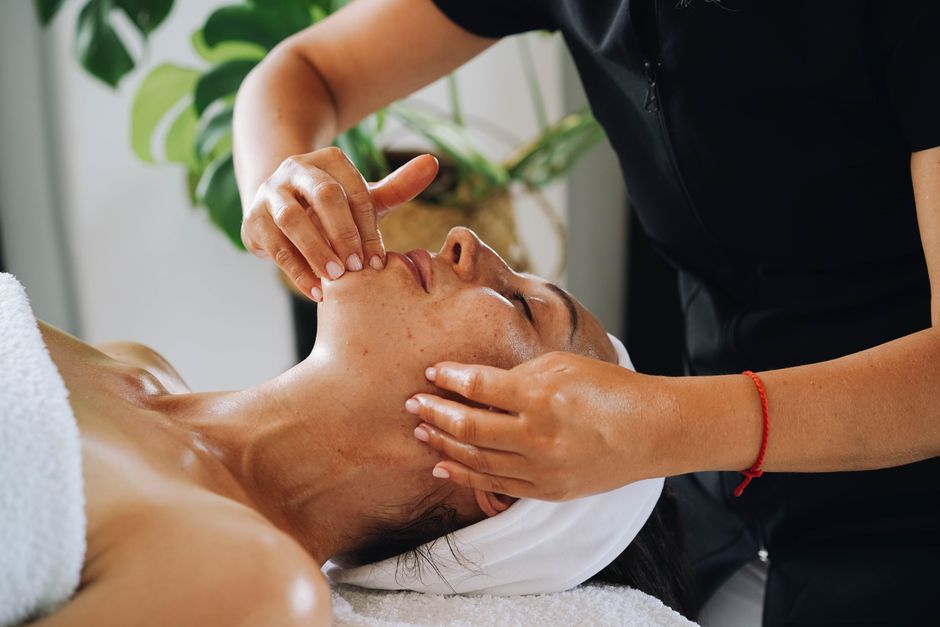
Your skin has a natural pH level around 5.0. That is slightly acidic. When you wash your face or body with products that are too alkaline — above pH 7.0 — your skin loses moisture and dries out. The higher the pH, the more damage it can do. Soap bars and some cleansers with a pH of 9.0 or higher are common culprits. This article explains exactly which pH levels dry your skin, what the research says, and how to choose products that protect your skin barrier.
What pH Level Will Tend To Dry The Skin?
A pH level above 7.0 will tend to dry the skin. The higher the number, the more drying it becomes. Products with a pH of 9.0 or higher are especially harsh. Most bar soaps fall into this range. They strip away the natural oils your skin needs to stay hydrated.
Your skin’s surface, called the acid mantle, has a pH between 4.5 and 5.5. This thin acidic layer keeps moisture in and harmful bacteria out. When you apply something alkaline, it disrupts this balance. The skin barrier weakens. Water escapes. Dryness follows.
Research published in the International Journal of Cosmetic Science found that cleansers with a pH above 7.0 significantly increase water loss from the skin. The study measured transepidermal water loss, or TEWL. Higher TEWL means drier skin. The effect was strongest with products at pH 9.0 and above.
How Does Alkaline pH Damage the Skin Barrier?
The skin barrier is made of lipids, or fats, arranged like bricks and mortar. The “bricks” are skin cells. The “mortar” is the lipid layer. This structure holds water inside and keeps irritants out.
Alkaline substances break down these lipids. Think of dish soap cutting through grease on a pan. A similar thing happens on your skin. The mortar dissolves. The barrier becomes leaky. Water evaporates faster than your skin can replace it.
This process also raises your skin’s own pH temporarily. After washing with a pH 9.0 soap, your skin may take hours to return to its normal acidic state. During that time, enzymes that repair the barrier cannot work properly. The American Academy of Dermatology notes that repeated exposure to alkaline cleansers can lead to chronic dryness and irritation.
One study in the British Journal of Dermatology followed people who used alkaline soap for four weeks. Their skin pH increased by nearly one full unit. Their TEWL measurements doubled. This is a clear sign of barrier damage.
What Does Research on Skin pH and Dryness Show?
Multiple studies confirm the link between high pH cleansers and dry skin. A 2018 review in Dermatology and Therapy analyzed 17 studies on cleanser pH. The authors concluded that products with a pH above 7.0 consistently caused more dryness and irritation than those with a pH near 5.5.
Not all skin types react the same way. People with darker skin tones tend to have a slightly lower natural pH. They may be more sensitive to alkaline products. People with eczema or rosacea already have a compromised barrier. High pH cleansers make their condition worse.
Some research suggests that even mildly alkaline products, around pH 7.5 to 8.0, can cause problems with long-term use. The damage is cumulative. A single wash may not cause noticeable dryness. But daily use over months or years slowly erodes the barrier.
The Cosmetic Ingredient Review panel, which evaluates safety of ingredients, has stated that cleanser pH is a key factor in skin compatibility. They recommend formulations near the skin’s natural pH for daily use.


How to Choose a Cleanser That Won’t Dry Your Skin
Look for a pH between 4.5 and 6.0. This range matches your skin’s natural acidity. Most gentle cleansers will list their pH on the bottle or the brand’s website. If they do not, you can test it yourself with pH test strips.
| Product Type | Typical pH Range | Effect on Skin |
|---|---|---|
| Bar soap (traditional) | 9.0 – 11.0 | Highly drying |
| Syndet bars (Dove, Cetaphil) | 5.5 – 7.5 | Mild to moderate |
| Foaming cleansers | 5.0 – 6.5 | Generally safe |
| Micellar water | 5.0 – 5.5 | Very gentle |
| Oil cleansers | Neutral (no water) | Non-drying |
Ingredients matter too. Cleansers with ceramides, glycerin, or hyaluronic acid help maintain moisture. Avoid sodium lauryl sulfate (SLS) if your skin is dry. SLS is a strong detergent that can strip oils even at a neutral pH.
Here is a quick checklist when shopping for a cleanser:
- Check the pH. Look for 4.5 to 6.0.
- Avoid bar soaps unless labeled “syndet” or “pH-balanced.”
- Choose cream or milk cleansers over foaming ones if you have dry skin.
- Look for moisturizing ingredients like ceramides and glycerin.
- Test a new product on your inner arm for a few days before using it on your face.
What Are the Signs Your Cleanser Is Too Alkaline?
Your skin will tell you. Right after washing, it may feel tight or “squeaky clean.” That squeaky feeling is not cleanliness. It is your skin stripped of its protective oils. Healthy skin should feel clean but still supple.
Other signs include redness, flaking, or a stinging sensation. If your moisturizer burns when you apply it, your barrier is likely damaged. This is a common reaction to alkaline cleansers.
Some people develop small bumps or acne-like breakouts. This can happen because the disrupted barrier allows bacteria to enter more easily. The skin may also become more sensitive to other products you use, like retinoids or acids.
If you notice any of these signs, switch to a lower pH cleanser for two weeks. Most people see improvement in that time. The Journal of Clinical and Aesthetic Dermatology reported that switching to a pH 5.5 cleanser reduced dryness scores by 40 percent in participants within two weeks.
Common Misconceptions About pH and Skin Dryness
Myth: Natural soaps are gentle because they are natural. Natural bar soaps are often the most alkaline. Lye, used to make soap, creates a high pH. “Natural” does not mean pH-balanced.
Myth: Foaming cleansers are always drying. Foam itself is not the problem. It is the pH and detergent type that matter. Some foaming cleansers have a pH around 5.5 and are perfectly fine.
Myth: You can fix dryness by using a thicker moisturizer. A moisturizer helps, but it cannot fully repair a barrier that is constantly disrupted by a high pH cleanser. The root cause is the cleanser. Fix that first.
Myth: pH only matters for face cleansers. Body washes and hand soaps matter too. Many body washes have a pH around 6.0 to 7.0, which is acceptable. But some antibacterial hand soaps are very alkaline and can dry out your hands with frequent use.
Frequently Asked Questions
What pH level is safe for daily face washing?
A pH between 4.5 and 6.0 is safe for daily use. This range matches your skin’s natural acidity and will not disrupt the barrier.
Can a pH 7.0 cleanser still dry out my skin?
Yes, over time. A neutral pH of 7.0 is still higher than your skin’s natural pH of 5.0. Repeated use can lead to dryness, especially if you have sensitive skin.
How can I test my cleanser’s pH at home?
Buy pH test strips from a pharmacy or online. Wet the cleanser slightly, press the strip against it, and compare the color to the chart. Do this for every new product.
Does water pH affect skin dryness?
Hard water, which is alkaline, can contribute to dryness. But the effect is smaller than the cleanser itself. A pH-balanced cleanser helps reduce the impact of hard water.
