
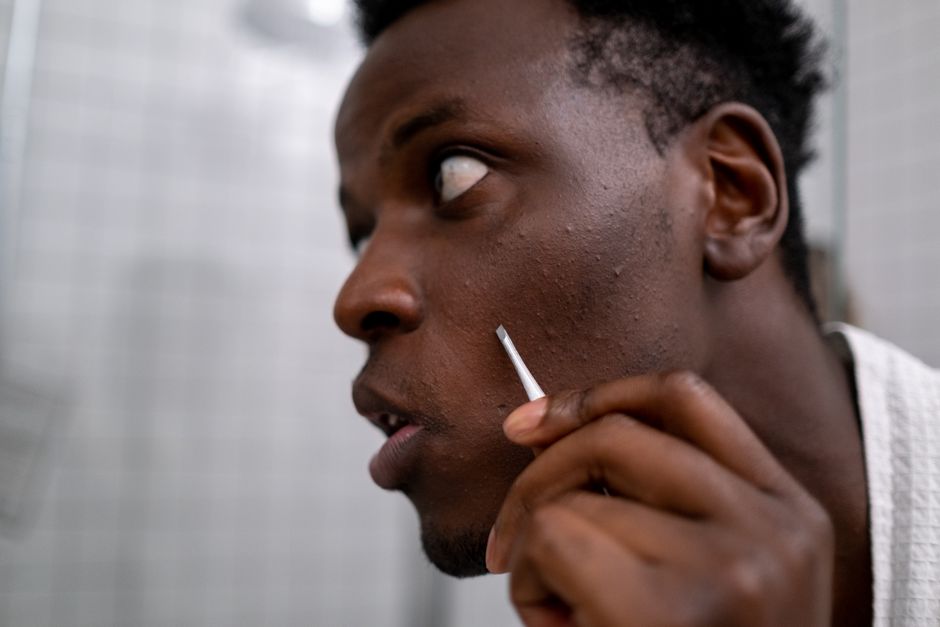
Chin acne can feel like it never goes away. It often returns in the same spot, sometimes for years. The good news is that stubborn chin acne can be managed effectively with the right combination of skincare, lifestyle changes, and medical treatments. A long-term solution usually requires identifying the root cause — most often hormonal fluctuations — and treating the skin gently but consistently. There is no single cure, but most people can achieve clear skin and keep it clear.
What Causes Chin Acne in Adults?
Adult chin acne is most often linked to hormones. Androgens, including testosterone and its derivatives, stimulate the sebaceous glands to produce more oil. This excess oil can clog pores and feed acne-causing bacteria. In women, hormone shifts during the menstrual cycle, pregnancy, perimenopause, or from conditions like polycystic ovary syndrome (PCOS) can trigger breakouts on the lower face and jawline.
Other factors can make chin acne worse. Stress raises cortisol levels, which can increase oil production. Some skincare and makeup products contain pore-clogging ingredients. Physical friction — from phones, masks, or resting your chin on your hands — can aggravate existing acne. Diet may play a role for some people, particularly high-glycemic foods and dairy, but the evidence is mixed and individual.
How To Get Rid Of Chin Acne For Good
A lasting solution requires addressing both the acne that is already there and the factors that keep causing it. There is no permanent cure, but consistent treatment can keep chin acne away for months or years at a time.
Start with a consistent skincare routine. Wash your face twice a day with a gentle cleanser. Use a non-comedogenic moisturizer — even oily skin needs hydration. Apply a treatment product containing ingredients proven to fight acne. The most evidence-backed options are benzoyl peroxide and salicylic acid. Benzoyl peroxide kills bacteria and helps clear clogged pores. Salicylic acid exfoliates the outer skin layer and can help unclog pores. Retinoids, available over the counter as adapalene or by prescription, regulate skin cell turnover and are highly effective for long-term control.
Stick with it for at least 8–12 weeks. Acne treatments take time. A common mistake is switching products too often or stopping because the skin looks worse initially. Some dryness and irritation is normal at first. Reduce frequency of application if irritation is severe, but do not quit entirely without a professional opinion.
If acne persists, see a dermatologist. Prescription treatments like topical antibiotics, combined birth control pills, spironolactone (for women), or isotretinoin are options for stubborn cases. Spironolactone lowers androgen activity and can be very effective for hormonal chin acne in women when taken under medical supervision. Isotretinoin is reserved for severe or treatment-resistant acne and requires close monitoring due to side effects.
What Skincare Ingredients Work Best for Chin Acne?
Several ingredients are well-supported by clinical evidence. Choose products with one or two active ingredients, not ten. Layering too many actives can damage the skin barrier and make acne worse.
- Benzoyl peroxide — Kills bacteria and reduces inflammation. Works quickly but can bleach fabrics. Start with 2.5% concentration; higher strengths are not more effective and cause more irritation.
- Salicylic acid — A beta hydroxy acid that exfoliates inside the pore. Best for blackheads and whiteheads. Look for 0.5% to 2% in leave-on products.
- Adapalene — A retinoid available over the counter. It normalizes skin cell turnover and prevents new clogged pores. Takes 8–12 weeks to show full results. Must be used with sunscreen because it increases sun sensitivity.
- Niacinamide — A form of vitamin B3 that reduces inflammation and oil production. Good for sensitive skin. Evidence supports its use but it is less potent than prescription options.
- Azelaic acid — Reduces bacteria and inflammation. Also helps with post-acne dark spots. Can be used during pregnancy.
Avoid pore-clogging ingredients. Look for the label “non-comedogenic,” but remember that this is not a regulated term — clinical testing is not required. Ingredients like coconut oil, cocoa butter, and certain silicones can trigger breakouts in acne-prone individuals.


When Should You See a Dermatologist for Chin Acne?
See a dermatologist if over-the-counter treatments have not cleared your skin after 12 weeks of consistent use. Also see one if acne is painful, deep, or leaving scars. Cysts and nodules on the chin are signs of inflammatory acne that often requires prescription medication.
Primary care doctors can also treat mild to moderate acne. They may prescribe topical antibiotics or refer you to a dermatologist. For women with clear hormonal patterns, a gynecologist or endocrinologist may be involved if PCOS or another hormone disorder is suspected.
Can Hormonal Treatments Help Chin Acne?
Yes, for many women. Combined oral contraceptives (birth control pills) containing estrogen and progestin are FDA-approved for acne treatment. They work by suppressing androgen production and stabilizing hormone levels. It can take three to six months to see improvement. Spironolactone, a medication that blocks androgen receptors, is also widely used off-label for hormonal acne in women. Both require a prescription and medical supervision due to potential side effects.
Hormonal treatments are not appropriate for everyone. They are not recommended during pregnancy or for women who smoke and are over 35. A dermatologist or gynecologist can help determine if hormonal therapy is right for you.
What Lifestyle Changes Reduce Chin Acne?
Some changes may help, but keep expectations realistic. Diet has a modest effect for some people. Several studies suggest that high-glycemic foods (white bread, sugary drinks) and dairy may trigger acne in susceptible individuals. Trying a low-glycemic diet or reducing dairy for a few weeks can be worth a test. However, dietary changes alone rarely clear moderate or severe acne.
Stress management matters. High stress increases cortisol, which can worsen acne. Regular sleep, exercise, and relaxation techniques may help — not just for acne but overall health.
Do not pick or squeeze chin pimples. This pushes bacteria deeper and increases the risk of scarring. If a pimple is very inflamed, apply a warm compress and use a benzoyl peroxide spot treatment instead. Professional extraction by a dermatologist or esthetician is safer than doing it yourself.
Keep your phone screen clean. Change pillowcases at least once a week. Wash your face after exercising or sweating. These small hygiene habits reduce the bacterial load on your skin and can help prevent new breakouts.
What About Diet and Chin Acne? Does Dairy Matter?
The connection between diet and acne is still debated among researchers. Some large observational studies have found a link between dairy consumption and acne, especially skim milk. The mechanism is not fully understood. High-glycemic diets are also associated with acne in several studies. However, not everyone who eats dairy or sugar develops acne, and dietary changes alone rarely cure moderate to severe cases.
If you suspect a food triggers your chin acne, try eliminating it for four to six weeks and then reintroduce it to see if the acne returns. This kind of elimination diet can be helpful but is not necessary for everyone. Focus on a balanced diet with plenty of vegetables, whole grains, and lean protein. Do not expect a specific “acne diet” to replace proven medical treatments.
Frequently Asked Questions
Why do I only get acne on my chin?
The chin and jawline are hormone-sensitive areas. Adult acne in this pattern is typically hormonal. Oil glands there respond strongly to androgen fluctuations.
How long does it take for chin acne to clear?
With consistent treatment, noticeable improvement usually takes 8 to 12 weeks. Prescription medications like oral contraceptives or spironolactone may take 3 to 6 months for full results.
Is chin acne a sign of PCOS?
It can be, but chin acne alone is not enough for a diagnosis. Other symptoms of polycystic ovary syndrome include irregular periods, excess facial or body hair, and thinning scalp hair. See a doctor for evaluation if you have multiple symptoms.
Can toothpaste help chin acne?
No. This is a myth. Toothpaste can irritate the skin and cause a chemical burn or contact dermatitis. It does not treat acne and may make the area red and raw.
