
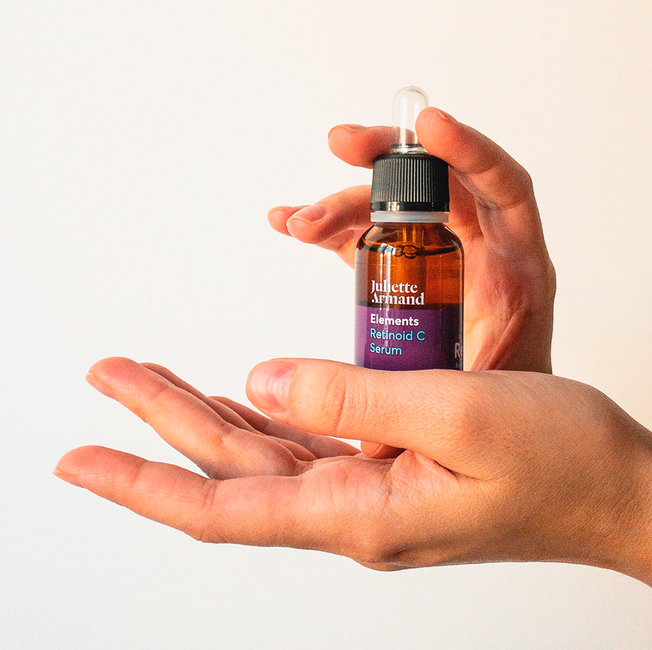
Using a vitamin A serum at night gives you the best results. These serums, also known as retinoids, work more effectively and cause less irritation when applied in the evening. Sunlight breaks down many retinoids, making them less potent. Night use also avoids the increased sun sensitivity they can cause. For best results, apply your vitamin A serum after cleansing and before moisturizer, starting two to three times per week and slowly increasing frequency as your skin adjusts.
Why Is Night the Best Time for Vitamin A Serum?
Retinoids are sensitive to light. Ultraviolet (UV) rays from the sun can degrade retinol and other vitamin A compounds, reducing their effectiveness. Applying the serum at night protects it from immediate light exposure so it can work on your skin while you sleep.
Your skin’s natural repair processes are also more active at night. Blood flow increases, cell turnover picks up, and the skin barrier works to restore itself. Vitamin A serums support these nighttime repair functions by speeding up cell turnover and boosting collagen production.
Dermatologists consistently recommend nighttime use for these reasons. Applying a retinoid in the morning is not advisable because it increases the skin’s sensitivity to UV light, raising the risk of sunburn and long-term damage.
How Should You Start Using a Vitamin A Serum?
Start slowly. Retinoids can cause redness, peeling, and irritation, especially when you first use them. The standard advice is to apply the serum two to three times per week for the first two to four weeks. After your skin builds tolerance, you can increase to every other night, and eventually to every night if your skin handles it well.
Use a pea-sized amount for your whole face. More does not mean better results — it only increases irritation. Apply the serum to clean, dry skin. Wait about 20 to 30 minutes after cleansing to let your skin dry completely. Damp skin absorbs retinoids faster and can lead to more irritation.
After applying the serum, wait at least 20 minutes before putting on moisturizer. This waiting period is sometimes called the “retinoid sandwich” method when you apply moisturizer both before and after the serum. Some people with sensitive skin find that a moisturizer before the serum reduces irritation without reducing effectiveness.
What Form of Vitamin A Should You Choose?
Vitamin A serums come in different strengths and types. Over-the-counter retinol is a milder form. It must be converted by the skin into retinoic acid, the active form. Prescription tretinoin (Retin-A) is already retinoic acid and works faster but causes more irritation.
Retinaldehyde (or retinal) is a step between retinol and retinoic acid. Some research suggests it works faster than retinol with less irritation than tretinoin, but the evidence is not as strong as for the other two forms.
For first-time users, a low-concentration over-the-counter retinol (0.25% or 0.3%) is a reasonable starting point. Dermatologists often recommend this to minimize irritation. After a few months, you can move up to 0.5% or 1% if needed. Prescription retinoids are reserved for acne or stubborn signs of aging and require a doctor’s supervision.





Can You Use Vitamin A Serum in the Morning?
You can, but it is not recommended. Morning application exposes the serum to UV light, which degrades it quickly. Even if you wear sunscreen, the serum’s potency will drop significantly during the day. Additionally, retinoids make your skin more sensitive to the sun, so using them in the morning increases that risk.
Some newer formulations claim to be photostable, meaning they resist breakdown from light. However, the clinical evidence for these products is limited, and most dermatologists still advise nighttime use. The consensus from the American Academy of Dermatology and other expert bodies is clear: apply retinoids at night for best results and safety.
What Should You Avoid When Using a Vitamin A Serum?
Do not combine vitamin A serum with other strong active ingredients in the same routine. Using it together with products containing benzoyl peroxide, alpha hydroxy acids (AHAs), beta hydroxy acids (BHAs), or high-concentration vitamin C can increase irritation significantly. If you use other actives, apply them at a different time of day — for example, vitamin C in the morning and retinol at night.
Also avoid waxing or using hair removal creams on skin where you have applied retinoids recently. Retinoids thin the outer layer of skin, making it more prone to tearing or burning during hair removal. Stop using the serum for at least three to five days before waxing.
Sunscreen is not optional when using a vitamin A serum. Because retinoids increase sun sensitivity, you must wear broad-spectrum SPF 30 or higher every day, even if you only apply the serum at night. Skipping sunscreen will undo the anti-aging benefits and increase the risk of sun damage.
How Long Does It Take to See Results?
Results from vitamin A serums are not immediate. For wrinkle reduction and overall skin texture improvement, visible changes typically appear after 12 weeks of consistent use. Some people notice smoother skin within four to six weeks, but collagen remodeling takes longer.
For acne, improvements may begin within six to eight weeks, but full benefits often require three to four months. If you do not see any change after six months, you may need a higher strength or a different form. It is worth discussing with a dermatologist at that point.
Irritation often occurs during the first two to four weeks. This is sometimes called the “retinoid purge.” The irritation usually subsides as the skin adapts. If it becomes severe or persists beyond six weeks, reduce frequency or switch to a lower concentration.
Who Should Not Use Vitamin A Serum?
Pregnant women and those trying to become pregnant should avoid all prescription retinoids and most high-strength over-the-counter retinol products. Oral retinoids like isotretinoin (Accutane) are known to cause birth defects. Topical retinoids are safer but the evidence is not complete. Most medical guidelines advise avoiding topical retinoids during pregnancy as a precaution. Always check with your obstetrician.
People with very sensitive skin, eczema, or rosacea may not tolerate retinoids well. If you have a skin condition, start with the lowest possible strength and test on a small area first. Some dermatologists recommend beginning with a retinol-based eye cream or a serum formulated for sensitive skin.
Frequently Asked Questions
Can I use vitamin A serum every night?
Yes, once your skin has built up enough tolerance. Start with two to three nights per week for several weeks, then gradually increase to nightly use if you do not experience significant redness or peeling.
Should I put vitamin A serum before or after moisturizer?
Apply the serum first on clean, dry skin, then wait 20 minutes before moisturizer. If your skin is very sensitive, you can apply moisturizer first (the sandwich method) to reduce irritation without losing much effectiveness.
Do I need to wear sunscreen if I use vitamin A serum at night?
Yes, absolutely. Retinoids increase your skin’s sensitivity to UV damage even when applied only at night. Daily broad-spectrum sunscreen of SPF 30 or higher is essential.
Can I use vitamin A serum with vitamin C?
You can, but not at the same time. Use vitamin C serum in the morning and vitamin A serum at night. Using them together can cause irritation and may reduce the effectiveness of both products.
