
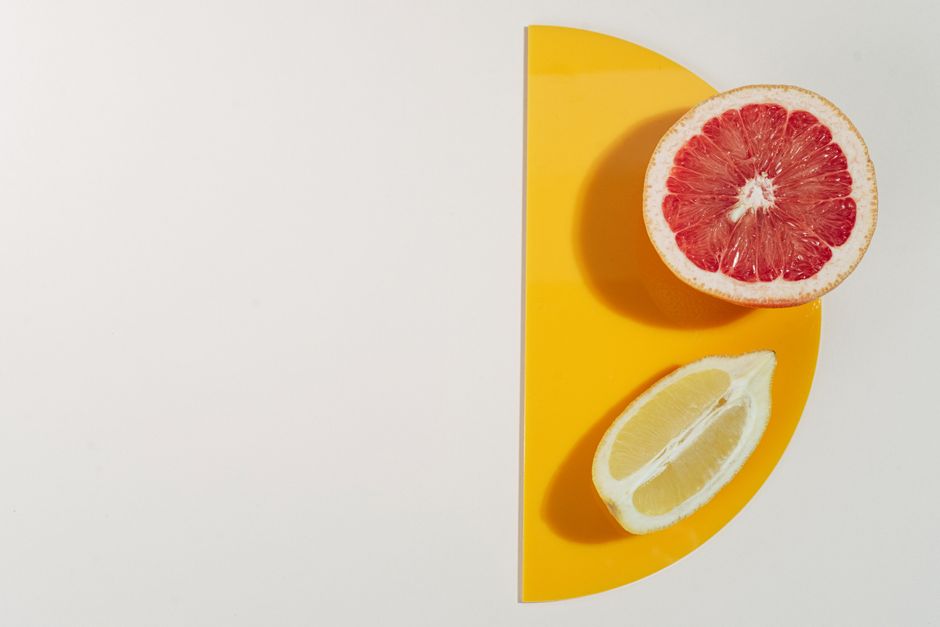
Bergamot is a citrus fruit with a distinctive flavor that sits somewhere between sweet orange and lemon, with a floral, slightly spicy edge. It is most famous for flavoring Earl Grey tea, but its uses go far beyond a single cup. In food, bergamot pairs well with creamy ingredients, other citrus, honey, and warm spices like cardamom. In tea, it is a natural match for black tea, but it also works with green tea and herbal blends. As a scent, bergamot is a cornerstone of perfumery and pairs beautifully with lavender, neroli, and woody notes like cedar or sandalwood. Understanding why these pairings work comes down to the fruit’s unique chemistry, and knowing how to use it can elevate both your kitchen and your daily routines.
What Does Bergamot Actually Taste and Smell Like?
Bergamot is not the kind of fruit you bite into like an orange. It is intensely sour and bitter, which makes it better suited for its oils and zest than for eating raw. The essential oil comes from the peel, and that oil carries the signature aroma.
The scent is bright and citrusy but not simple. It has a floral note that resembles orange blossom, a hint of spice, and a soft, almost tea-like quality. That complexity is why bergamot works in both sweet and savory dishes, and why it anchors so many perfumes. It is not just a citrus note; it is a citrus note with depth.
Bergamot oil contains compounds like limonene and linalool. Linalool is the same molecule found in lavender and coriander, which explains why bergamot and lavender feel like natural partners. This chemical overlap is not a coincidence — it is the reason certain pairings work so reliably.
What Pairs Well With Bergamot in Food?
Bergamot’s intense, aromatic profile means a little goes a long way. The most common culinary form is bergamot zest or a small amount of the juice, but you will also find bergamot syrup, marmalade, and dried peel. Each form carries the same flavor, but with different intensity and sweetness levels.
Cream and dairy are the most reliable partners for bergamot. The fruit’s bitterness cuts through rich fats, and the floral notes soften into something elegant. Bergamot pairs well with crème brûlée, panna cotta, and ice cream. In savory cooking, it works with butter sauces for fish or chicken.
Honey is another natural match. The sweetness of honey balances bergamot’s sharpness, and the floral character of both ingredients reinforces each other. A drizzle of honey with bergamot zest over yogurt or baked fruit is a simple, effective pairing.
Warm spices like cardamom, cinnamon, and ginger complement bergamot without overwhelming it. These spices share bergamot’s slightly resinous, aromatic qualities. A pinch of cardamom in a bergamot-flavored cake or custard brings out notes you might otherwise miss.
Other citrus fruits also pair well, especially lemon and orange. Bergamot is not a replacement for these fruits — it is an accent. Combining bergamot zest with orange juice or lemon juice creates a layered citrus flavor that is more interesting than any single fruit alone.
In savory dishes, bergamot works with seafood, particularly scallops and white fish. It also pairs with fennel, which shares some of bergamot’s licorice-like undertones, and with fresh herbs like thyme or tarragon. Use it sparingly. Bergamot is potent, and too much can make a dish taste like soap or perfume.
What Pairs Well With Bergamot in Tea?
Earl Grey is the classic bergamot tea for a reason. The bold, malty character of black tea holds up to bergamot’s intensity, and the citrus oils brighten the tea’s natural sweetness. Most commercial Earl Grey uses a blend of black teas, often including Assam or Ceylon, to create a full-bodied base.
Bergamot also works with green tea, though the pairing is more delicate. Green tea’s grassy, vegetal notes are a different backdrop, and the bergamot comes through as lighter and more floral. If you find traditional Earl Grey too strong, a green tea version may suit you better.
White tea is another option, though it is less common. The subtlety of white tea means the bergamot takes center stage. This works well if you want the citrus flavor to dominate, but it can also feel thin if the tea is low quality.
Herbal teas, which contain no actual tea leaves, can also carry bergamot. Chamomile and bergamot is a calming combination, as both have gentle floral notes. Rooibos, which is naturally sweet and slightly nutty, pairs with bergamot in a way that resembles a dessert tea. These blends are often sold as “red Earl Grey” or “caffeine-free Earl Grey.”
When adding bergamot to tea at home, use dried bergamot peel or a drop of food-grade bergamot oil. Do not use perfume oil or essential oil meant for aromatherapy — those are not safe to consume. Start with a tiny amount and adjust, because bergamot flavor intensifies as it steeps.





What Pairs Well With Bergamot as a Scent?
Bergamot is one of the most widely used notes in perfumery. It appears in everything from light eau de colognes to heavy oriental fragrances. Its versatility comes from its ability to lift other notes without dominating them.
Lavender is the most classic pairing. Both contain linalool, which gives them a shared aromatic quality. In a scent, bergamot adds brightness to lavender’s calm, herbal character. This combination appears in many men’s fragrances and in sleep-focused products like pillow sprays.
Neroli, which is essential oil from orange blossoms, pairs with bergamot because both have floral-citrus profiles. Together they create a clean, soapy scent that feels fresh and refined. This is a common combination in summer fragrances and in skincare products.
Woody notes like cedar, sandalwood, and vetiver ground bergamot’s brightness. The citrus lifts the wood, and the wood gives the citrus something to rest on. This pairing is why bergamot appears in so many “fresh but warm” fragrances that work year-round.
Bergamot also pairs with jasmine for a more floral scent, with black pepper for an unexpected spicy edge, and with vanilla for a softer, sweeter result. In home fragrance, bergamot blends well with eucalyptus and rosemary in cleaning products, and with sandalwood or amber in candles.
One thing to know: bergamot oil is phototoxic. This means that if you apply it to your skin and then go into sunlight, it can cause a burn or dark spots. This is only a concern with real bergamot oil on the skin, not with the scent in a candle or with eating the fruit. Many commercial products use bergapten-free bergamot oil, which removes this risk.
How to Use Bergamot Pairings at Home
Start with the tea. If you already drink Earl Grey, try a version with added lavender or a blend that includes orange peel. These additions are common in specialty tea shops, and they highlight different sides of the bergamot flavor.
In cooking, begin with a dessert. Bergamot marmalade on toast or scones is the easiest entry point. From there, try adding a small amount of bergamot zest to a basic shortbread or pound cake recipe. The zest replaces some of the lemon or orange you would normally use.
For a savory attempt, make a simple butter sauce with bergamot zest and serve it over pan-seared fish. The sauce takes less than five minutes and gives you a clear sense of how bergamot behaves with fat and heat.
For scent, start with a candle or a room spray rather than a perfume. This lets you experience the aroma without committing to wearing it. If you enjoy that, look for a fragrance that lists bergamot as a top note alongside lavender or a wood note.
Bergamot is also available as a culinary syrup, which you can use in cocktails, sparkling water, or drizzled over fruit. The syrup is sweetened, so it is easier to control than working with the raw zest.
What Does Not Pair Well With Bergamot?
Some flavors clash with bergamot. Very strong, pungent ingredients can overwhelm its delicate floral character. Garlic, onion, and heavy chili heat tend to fight with bergamot rather than complement it. If you want to use bergamot in savory cooking, keep the other flavors mild.
Overly sweet desserts can also bury bergamot. If you pair it with a very sugary frosting or a heavy caramel, the bergamot note disappears. Let the fruit be the star, not a background note in a sugar bomb.
Mint is a difficult pairing. Both mint and bergamot are strong, aromatic ingredients, but they do not share the chemical compounds that make lavender and bergamot work. The result is often a clash rather than a blend.
In scent, bergamot does not pair well with overly smoky or leathery notes. These heavy accords can make the bergamot feel thin and sharp. If you want to use bergamot in a deeper fragrance, choose woods or amber instead of smoke.
Is Bergamot Safe to Eat and Use?
Bergamot is safe to eat in the amounts used in food and tea. The peel and the oil are both recognized as safe for consumption in culinary quantities. Bergamot juice is not commonly consumed on its own because it is so sour, but it is safe in small amounts.
One caution involves bergamot oil and medication interactions. Bergamot contains compounds that can affect how your body processes certain drugs, particularly some statins used for cholesterol. This interaction is mainly a concern with concentrated extracts or large amounts of the oil, not with drinking Earl Grey tea. If you take prescription medication and are considering bergamot supplements, talk to your doctor first.
Bergamot supplements are sold for cholesterol support and anxiety, but the evidence for these uses is limited. Some small studies suggest a potential benefit, but no large trials have confirmed it. Treat these products as unproven and discuss them with a healthcare provider before using them.
Frequently Asked Questions
What flavors go well with bergamot?
Bergamot pairs well with cream, honey, cardamom, cinnamon, lemon, orange, and vanilla. In savory dishes, it works with seafood, fennel, and fresh herbs like thyme.
What tea goes best with bergamot?
Black tea is the classic base for bergamot, as in Earl Grey. Green tea, white tea, rooibos, and chamomile also work, though each produces a lighter, more floral result.
What scents mix well with bergamot?
Lavender, neroli, jasmine, cedar, sandalwood, and vanilla are the most reliable scent partners for bergamot. These notes share chemical compounds with bergamot or provide a complementary base.
Can I use bergamot essential oil in cooking?
Only use food-grade bergamot oil for cooking. Aromatherapy oils may contain additives or be processed in ways that are not safe to consume.
