
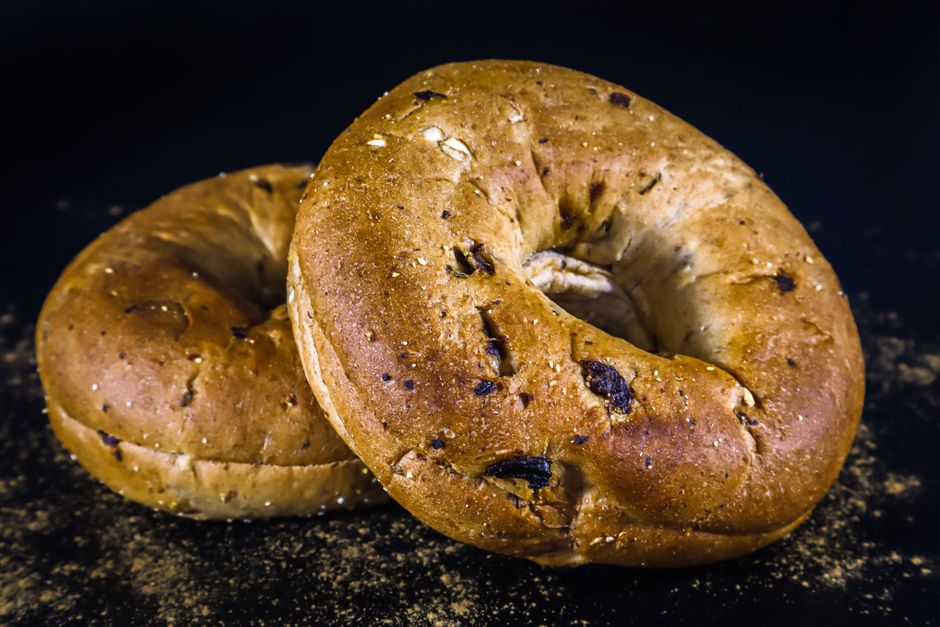
Twenty grams of carbohydrates is a common reference point for people following low-carb diets, counting carbs for diabetes management, or just trying to understand what they are actually eating. In practical terms, 20 grams of carbs is about one medium apple, one slice of commercial whole wheat bread, or roughly one and a half cups of cooked white rice. It is a small amount. Understanding what 20 grams looks like across different foods helps you make informed choices without needing a scale at every meal.
What Does 20 Grams Of Carbs Look Like In Food?
The most reliable way to know exactly how many carbs are in your food is to read the nutrition label and weigh your portion. But labels tell you total carbohydrates, which includes fiber and sugar alcohols. For most people counting carbs, the number that matters most is net carbs — total carbs minus fiber and sugar alcohols. These are the carbs that actually raise blood sugar.
Here is what 20 grams of net carbs looks like in common foods:
- Fruit: One medium apple, one medium banana (slightly less than one full banana), or about 1.5 cups of chopped watermelon.
- Grains: One slice of commercial whole wheat bread, one small tortilla (6-inch), or about 1/2 cup of cooked pasta.
- Vegetables: About 3 cups of raw broccoli, 2 cups of cooked carrots, or 1 large sweet potato (around 150 grams).
- Dairy: One cup of plain whole milk, or one small container of plain Greek yogurt (about 170 grams).
- Legumes: About 1/2 cup of cooked black beans or lentils.
- Snacks: Two small cookies, one small granola bar, or about 1.5 tablespoons of honey.
These are approximations. Exact carb counts vary by brand, ripeness, and preparation method. A food scale and a nutrition app give you precise numbers, but these visual guides help you estimate when you are eating out or away from home.
Why 20 Grams Matters for Low-Carb and Keto Diets
The 20-gram figure is most often associated with ketogenic diets. A classic ketogenic diet restricts carbs to about 20 to 50 grams per day. The goal is to shift your body into ketosis, a metabolic state where it burns fat for fuel instead of glucose.
Twenty grams is not a magic number for everyone. It is a starting point that works for many people to achieve ketosis, but some people can stay in ketosis at 50 grams or more. Others need to stay below 20 grams. Individual tolerance varies based on activity level, muscle mass, and metabolic health.
Research on low-carb diets shows they can be effective for short-term weight loss and improving blood sugar control in people with type 2 diabetes. But the evidence for long-term superiority over other dietary approaches is mixed. Some studies show low-carb diets work well for weight loss initially, but the difference often narrows after 12 months compared to other diets with similar calorie restriction.
If you are considering a ketogenic diet, it is worth knowing that the initial weight loss often includes water weight, not just fat. Your body stores glycogen with water, and when you cut carbs, glycogen stores deplete and water is released. This is why the scale moves quickly in the first week or two.
How to Count Carbs Accurately
Reading food labels is the first step. On any packaged food, find “Total Carbohydrate” on the nutrition facts panel. This number includes dietary fiber, total sugars, and added sugars. To get net carbs, subtract the grams of dietary fiber and sugar alcohols.
Fiber is a carbohydrate, but your body does not digest it. It passes through your system largely intact and does not raise blood sugar. Sugar alcohols like erythritol and xylitol are also poorly absorbed, so they have a minimal effect on blood sugar for most people. However, some sugar alcohols — like maltitol — do raise blood sugar and should be counted partially.
For whole foods without labels, you need a reference. A food scale gives you accuracy. Weigh the food and look up the carb content per gram. A medium apple weighs about 180 grams and contains roughly 25 grams of total carbs, with about 4 grams of fiber — so about 21 grams of net carbs. That is essentially your entire 20-gram budget in one piece of fruit.
Apps like Cronometer, MyFitnessPal, or Carb Manager have extensive food databases. They are not always perfectly accurate — entries can be user-submitted and wrong — but they are useful for tracking trends over time.





Hidden Carbs in Foods You Might Not Expect
Some foods are carb-heavy without looking like it. Condiments are a common source of hidden carbs. Ketchup contains about 4 grams of carbs per tablespoon — mostly sugar. Barbecue sauce can have 8 to 12 grams per serving. Salad dressings, especially sweet vinaigrettes, add several grams per serving.
Milk and yogurt contain lactose, a natural sugar. A cup of milk has about 12 grams of carbs. Flavored yogurts often have added sugar, pushing them to 20 grams or more per serving. Plain Greek yogurt is much lower — around 6 to 9 grams per serving depending on the brand.
Nuts are often considered low-carb, but they add up. A quarter cup of almonds has about 5 grams of net carbs. Cashews are higher — around 8 grams per quarter cup. If you snack on nuts throughout the day, you can easily hit 20 grams without realizing it.
Vegetables are generally low-carb, but starchy ones are not. Corn, peas, and potatoes are all higher in carbs than leafy greens or broccoli. A medium ear of corn has about 20 grams of net carbs. A medium baked potato has around 30 grams.
Comparing 20 Grams of Carbs Across Food Groups
Seeing foods side by side helps you understand portion sizes. Here is a table comparing common foods at approximately 20 grams of net carbs:
| Food | Approximate Portion for 20g Net Carbs |
|---|---|
| White rice (cooked) | 1/2 cup (about 90 grams) |
| Whole wheat bread | 1 slice (about 28 grams) |
| Apple | 1 medium (about 180 grams) |
| Banana | 1 small (about 100 grams) |
| Broccoli (raw) | 3 cups (about 270 grams) |
| Sweet potato (baked) | 1 small (about 100 grams) |
| Black beans (cooked) | 1/2 cup (about 86 grams) |
| Whole milk | 1.5 cups (about 360 ml) |
| Honey | 1.5 tablespoons (about 30 grams) |
Notice the volume differences. Three cups of broccoli is a large, filling portion. One slice of bread is small. This is why low-carb diets can be satisfying — you can eat a large volume of non-starchy vegetables for very few carbs.
Does 20 Grams of Carbs Work for Everyone?
No. A 20-gram daily carb limit is not a universal recommendation. It is a tool used in specific therapeutic diets, particularly for epilepsy in children, where it has strong clinical evidence. For weight loss and general health, the optimal carb intake varies widely between individuals.
Some people thrive on very low-carb diets. Others feel fatigued, irritable, or have difficulty maintaining them long-term. There is no single best diet for everyone. The best diet is the one you can sustain and that supports your health goals.
If you have diabetes, consult your healthcare provider before making significant changes to your carbohydrate intake. If you take insulin or certain diabetes medications, reducing carbs without adjusting medication can cause dangerously low blood sugar. This is not a risk to take lightly.
For pregnant women, breastfeeding mothers, children, and people with kidney disease, very low-carb diets require medical supervision. No clinical guidelines currently recommend 20 grams of carbs per day for these populations.
Practical Tips for Staying Under 20 Grams of Carbs
If you have decided to try a low-carb approach, here are practical ways to keep your intake near 20 grams per day:
- Build meals around protein, healthy fats, and non-starchy vegetables.
- Use a food scale for the first few weeks until you can estimate portions visually.
- Plan snacks. Nuts, cheese, eggs, and sliced vegetables are portable and low-carb.
- Read every label. Sauces, marinades, and drinks often contain added sugar.
- Be careful with “low-carb” packaged foods. They often contain sugar alcohols or fiber additives that can cause digestive discomfort.
Remember that fiber is essential for digestive health. If you cut carbs, make sure you are still getting adequate fiber from vegetables, nuts, and seeds. Constipation is a common complaint on low-carb diets, and it is often due to insufficient fiber and water intake.
What the Evidence Actually Shows About Low-Carb Diets
Low-carb diets have been studied extensively. Research consistently shows they produce weight loss and improve markers like triglycerides and HDL cholesterol in the short term. Some studies suggest they may be particularly helpful for people with type 2 diabetes or metabolic syndrome.
However, the evidence does not show that low-carb diets are superior to other diets for long-term weight maintenance. Studies lasting 12 months or longer typically find similar weight loss between low-carb and low-fat diets when calories are matched. Adherence matters more than the specific macronutrient breakdown.
There are also potential downsides. Some people experience the “keto flu” — headache, fatigue, and brain fog in the first week. Long-term effects of very low-carb diets are not fully known. Some research raises concerns about kidney stone risk and bone health, though these findings are not conclusive.
Be skeptical of marketing claims. Many products labeled “keto-friendly” or “low-carb” are highly processed and may not support health goals. A diet of processed low-carb snacks is not the same as a diet of whole foods with limited carbohydrates.
Frequently Asked Questions
How many carbs are in a banana?
A small banana (about 100 grams) contains roughly 20 grams of net carbs. A medium banana contains about 24 to 27 grams.
Is 20 grams of carbs a day safe?
For most healthy adults, it is safe in the short term, but it is restrictive and not necessary for general health. People with diabetes, kidney disease, or who are pregnant should consult a doctor first.
How do I calculate net carbs?
Subtract dietary fiber and sugar alcohols from total carbohydrates on the nutrition label. Fiber does not raise blood sugar, and most sugar alcohols have minimal effect.
Can I eat fruit on a 20-gram carb limit?
Yes, but only in small amounts. One medium apple or one small banana uses your entire daily carb budget, so most people on a 20-gram limit choose berries, which are lower in carbs.
