
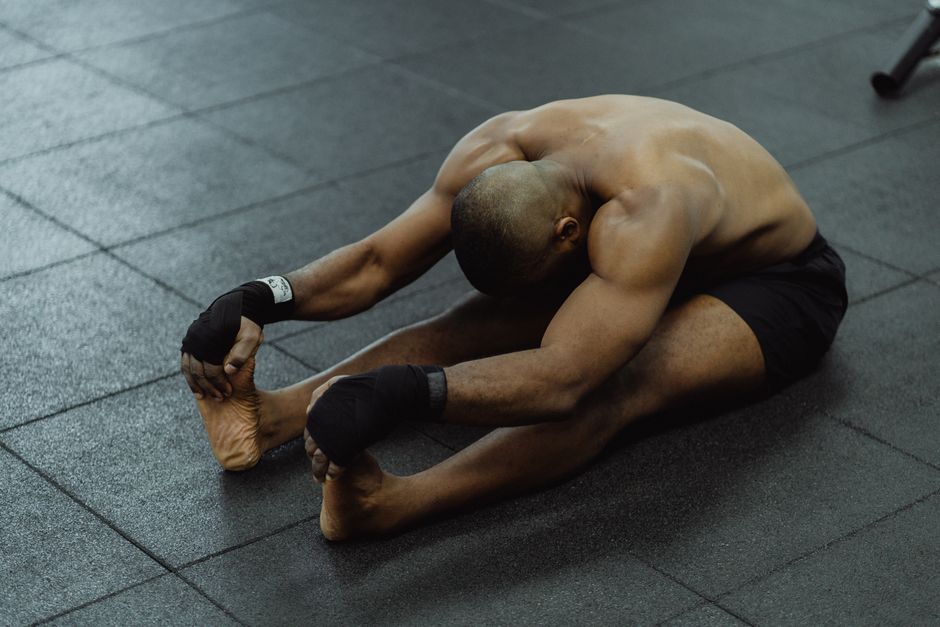
The medial collateral ligament (MCL) is the most commonly injured ligament in the knee. Preventing an MCL injury comes down to strengthening the muscles around your knee, improving your movement mechanics, and knowing when to rest. You protect your MCL by building strong hamstrings, quads, and glutes, using proper form during sports, and wearing the right gear for your activity.
What Actually Causes an MCL Injury?
An MCL injury happens when the knee is forced sideways. This usually means a blow to the outside of the knee that pushes it inward. The ligament on the inside stretches or tears. This is common in sports like soccer, football, skiing, and basketball.
But not all MCL injuries come from contact. A sudden change in direction, a bad landing from a jump, or even twisting your knee while stepping off a curb can strain the MCL. The ligament connects your thighbone to your shinbone. It keeps your knee stable side-to-side. When that stability is forced past its limit, the tissue gives.
Research published in the American Journal of Sports Medicine found that about 40% of knee ligament injuries involve the MCL. It is often injured along with the ACL in what doctors call the “unhappy triad” — MCL, ACL, and medial meniscus damage. Knowing this helps you understand that preventing MCL injuries also protects other parts of your knee.
How To Prevent MCL Injuries And Protect Your Knee Through Strength Training
Strong legs are your best defense. The muscles around your knee act as shock absorbers and stabilizers. When those muscles are weak, the ligaments take more force. That is a problem because ligaments do not heal as fast or as completely as muscle.
Focus on exercises that strengthen the inner thigh, hamstring, and glute muscles. The adductors on your inner thigh attach near the MCL. When these muscles are strong, they help resist the inward collapse of the knee that strains the ligament. Bulgarian split squats, lateral lunges, and single-leg Romanian deadlifts are effective options.
Do not neglect your glutes. Weak glutes cause your thigh to rotate inward during movement, which puts extra stress on the MCL. Research from the Journal of Orthopaedic & Sports Physical Therapy shows that hip strengthening reduces knee injury risk in athletes by about 25%. Add hip thrusts, clamshells, and side-lying leg lifts to your routine.
Eccentric hamstring exercises — where you lower into a movement slowly — are especially protective. Nordic hamstring curls and slow-motion straight-leg deadlifts build the type of strength that controls knee motion during high-speed sports.
Does Bracing or Taping Help Prevent MCL Injuries?
This is a common question with a mixed answer. For people who have already had an MCL injury, bracing can provide protection during return to sport. A hinged knee brace limits side-to-side motion while allowing your knee to bend and straighten normally. The American Academy of Orthopaedic Surgeons notes that functional braces are most helpful for grade 2 and grade 3 MCL injuries during recovery.
For preventing a first-time MCL injury in a healthy knee, the evidence is weaker. Some studies suggest that prophylactic bracing in contact sports like football may reduce MCL injury rates slightly. But other research finds no significant difference. The braces can also change how you move, which might increase injury risk elsewhere.
Taping is even less studied for MCL prevention. It can provide sensory feedback — you feel the tape and adjust your movement — but it does not provide structural support like a brace. For most people, strength training is more effective than taping or bracing for preventing a first MCL injury.
Here is a simple comparison of prevention approaches:
| Method | Best For | Evidence Strength |
|---|---|---|
| Strength training | First-time prevention and recovery | Strong — multiple studies support it |
| Hinged knee brace | Returning to sport after injury | Moderate — helpful for grade 2-3 injuries |
| Kinesiology tape | Movement awareness | Weak — limited evidence for structural protection |
| Proper footwear | Reducing ground reaction forces | Moderate — depends on sport and surface |



What Role Does Footwear and Playing Surface Play?
Your shoes connect you to the ground. If that connection is wrong, your knee pays the price. Shoes with too much grip on artificial turf can lock your foot in place while your body keeps moving. That torque transfers directly to your knee ligaments. The MCL is especially vulnerable when your foot is planted and your body rotates inward.
Choose footwear appropriate for your sport and surface. Soccer players on turf should use shoes with shorter, more numerous cleats that release more easily. Basketball players need good lateral support in their shoes to prevent the ankle from rolling, which can chain upward to the knee. Replace worn shoes — the outsole loses grip patterns over time, which changes how your foot interacts with the ground.
The playing surface matters too. Research from the American Journal of Sports Medicine found that ACL and MCL injuries occur more frequently on artificial turf than natural grass in football. The higher friction between shoe and turf increases ligament strain during cutting movements. If you play on turf regularly, pay extra attention to your leg strength and movement technique.
How Should You Train Movement to Protect Your Knee?
Strength alone is not enough. You also need to teach your body to move in ways that protect the knee. This is called neuromuscular training. It involves practicing movements that keep your knee aligned over your foot rather than collapsing inward.
Jumping and landing mechanics are critical. When you land from a jump, your knees should bend and track over your second toe. If your knees knock together or cave inward, the MCL takes extra strain. Practice landing softly with your hips back and your weight centered. The Journal of Athletic Training published a review showing that neuromuscular training programs reduce lower extremity injury rates by about 50% in athletes.
Plyometric exercises — box jumps, lateral hops, and single-leg bounds — build the coordination and control you need during sport. Start with low intensity. Focus on quality of movement before adding height or speed. Video yourself if possible. Many people think they are landing correctly when they are not.
Agility drills that involve cutting and changing direction also help. But do them slowly at first. The goal is to train your brain and muscles to work together under control. Speed comes later. The FIFA 11+ program is a well-studied warm-up that includes these elements and has been shown to reduce knee injuries in soccer players by 30-50%.
What to Avoid If You Want to Protect Your MCL
Some common habits increase your risk without you realizing it. Overtraining is one of them. Fatigued muscles cannot stabilize your knee properly. When your quads and hamstrings are tired, your ligaments take over. That is when injuries happen. Rest days are not optional — they are part of injury prevention.
Ignoring hip and ankle mobility is another mistake. Tight hips limit your range of motion and force your knee to compensate. The same is true for stiff ankles. If your ankle does not bend enough during a squat or lunge, your knee drifts inward. That inward drift strains the MCL. Regular stretching and foam rolling for your hips, calves, and hamstrings helps maintain the mobility your knee needs.
Returning to sport too quickly after a minor knee tweak is also risky. Even a mild strain changes how you move. You subconsciously guard the knee, which alters your mechanics and puts other structures at risk. Give your knee time to fully recover before going back to full intensity. A good rule is no pain with daily activities and no pain with sport-specific movements before returning to competition.
Common Misconceptions About MCL Injuries
One widespread myth is that the MCL and ACL are equally easy to injure. They are not. The MCL is actually more vulnerable to isolated injury because it sits directly on the inside of the knee with less bony protection. But because it has better blood supply than the ACL, it also heals more reliably without surgery in most cases.
Another myth is that only athletes need to worry about MCL injuries. While sports cause many cases, everyday activities can also strain the ligament. Slipping on ice, missing a step on stairs, or even twisting while getting out of a car can cause injury. The prevention strategies that work for athletes — strength, mobility, and controlled movement — also protect non-athletes.
Some people believe that if you have no pain, your MCL is fine. This is not always true. Grade 1 MCL sprains can cause minimal pain but still leave the ligament stretched and less stable. That instability increases your risk of a more serious injury later. If you feel any unusual looseness in your knee after a twist or fall, get it checked even if the pain fades quickly.
Here are key prevention steps in a clear list:
- Strengthen your hamstrings, quads, glutes, and inner thighs with targeted exercises
- Practice proper landing and cutting mechanics — knee over toe, no inward collapse
- Use sport-appropriate footwear and replace worn shoes regularly
- Include neuromuscular training like plyometrics and agility drills in your routine
- Take rest days to avoid fatigued-muscle injuries
- Maintain hip and ankle mobility to reduce compensatory knee stress
- Allow full recovery from minor knee injuries before returning to sport
Frequently Asked Questions
Can you prevent an MCL injury without surgery?
Yes, most MCL injuries can be prevented with strength training, proper movement mechanics, and appropriate rest. Surgery is rarely needed for MCL injuries because the ligament has good blood supply and heals well on its own.
How long does it take to strengthen the MCL?
You cannot directly strengthen the ligament itself, but strengthening the surrounding muscles takes about 4-8 weeks of consistent training. Muscle strength gains help protect the MCL by absorbing forces that would otherwise stress the ligament.
Does stretching prevent MCL injuries?
Stretching alone does not prevent MCL injuries, but maintaining good hip and ankle mobility helps keep your knee aligned during movement. Combine stretching with strength training for the best protection.
What is the fastest way to recover from an MCL sprain?
Rest, ice, compression, and elevation for the first 48-72 hours, followed by gradual strengthening under medical guidance. Grade 1 sprains often heal in 1-3 weeks with proper care.
