
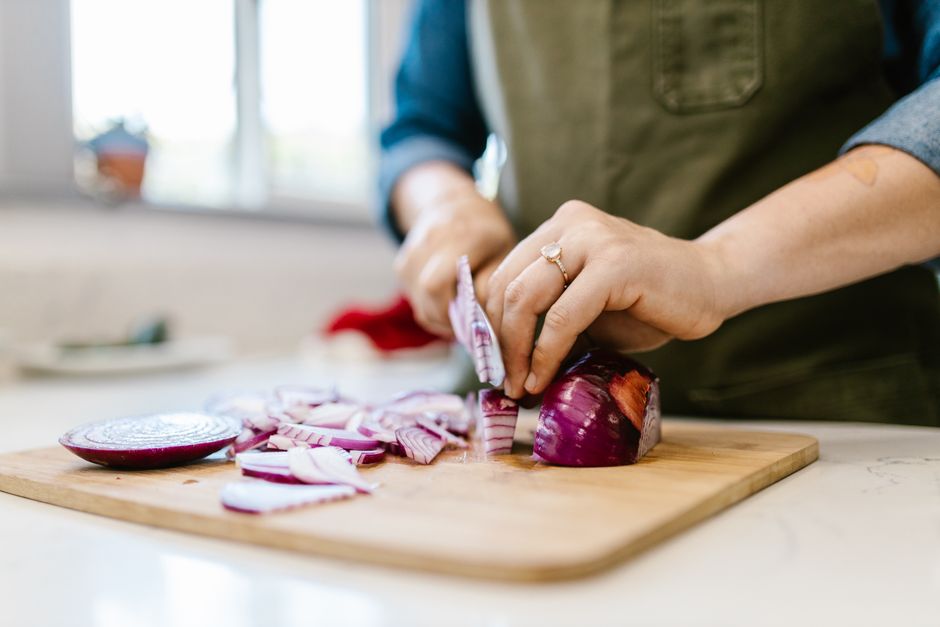
Onions are a staple in nearly every kitchen, but they are not all the same. The best onion for you depends on how you plan to use it. For raw dishes like salads and salsas, a sweet onion like Vidalia or Walla Walla is the best choice because it is milder and less likely to make you cry. For cooking, a yellow onion is the most reliable all-purpose option, providing a balanced flavor that holds up well to heat. If you are looking for the most antioxidants, red onions contain the highest levels of anthocyanins, the compounds that give them their deep color.
What Is the Best Onion for Cooking?
Yellow onions are the default choice for cooking. They have a strong, pungent flavor when raw, but that sharpness mellows as they cook. The higher sulfur content in yellow onions gives them a more complex, savory taste when caramelized or sautéed.
This makes them ideal for soups, stews, roasts, and any dish where the onion is meant to blend into the background and deepen the overall flavor. When a recipe simply says “onion,” it is almost always referring to a yellow onion.
White onions are a close second for cooking. They are slightly milder than yellow onions and have a cleaner, more straightforward onion taste. They are commonly used in Mexican and Southwestern cooking, and they work well in dishes where you want the onion flavor to be present but not dominant.
What Onion Is Good For Eating Raw?
Sweet onions are the best choice for eating raw. Varieties like Vidalia, Walla Walla, and Maui are lower in sulfur compounds, which are responsible for the pungent bite and the tearing effect. They are crisp, mild, and slightly sweet, making them perfect for salads, burgers, and fresh salsas.
Red onions are also a good option for raw use. They have a milder flavor than yellow or white onions, and their vibrant color adds visual appeal to dishes. Soaking sliced red onions in cold water for ten minutes can further reduce their sharpness if you find them too strong.
If you prefer a sharper, more assertive raw onion flavor, white onions deliver that. They are crisper and more pungent than sweet or red varieties, which is why they are often used in pico de gallo and other fresh condiments where the onion needs to stand up to other bold flavors.
Which Onion Has the Most Health Benefits?
Red onions stand out nutritionally. They contain anthocyanins, the same flavonoid pigments found in berries and red cabbage. These compounds act as antioxidants in the body, helping to neutralize free radicals that can damage cells.
All onions are good sources of vitamin C, vitamin B6, potassium, and dietary fiber. They also contain quercetin, a flavonoid that has been studied for its anti-inflammatory properties. Yellow onions and shallots have higher quercetin levels than white onions, but red onions offer the added benefit of anthocyanins.
One important detail: the outer layers of an onion contain the highest concentration of flavonoids. Peeling off more layers than necessary removes some of the beneficial compounds. Try to remove only the papery skin and the first thin layer beneath it.




Does Onion Color Affect Its Flavor?
Yes, color is a reliable indicator of flavor intensity. White onions are the mildest in terms of sulfur content but still have a crisp, clean bite. Yellow onions are the most pungent when raw and develop the deepest flavor when cooked. Red onions fall in between, offering a moderate sharpness with a hint of sweetness.
The color also signals different antioxidant profiles. Red onions get their color from anthocyanins. Yellow onions contain more quercetin than white ones. The health differences are real but modest. Eating any onion regularly is better than eating none.
What About Shallots and Green Onions?
Shallots are not technically onions, but they belong to the same allium family. They have a delicate, sweet flavor that combines the best of onions and garlic. Chefs often use shallots in vinaigrettes, sauces, and fine cooking because they are less harsh than standard onions and break down quickly when cooked.
Green onions, also called scallions, are immature onions harvested before the bulb forms. They are very mild and are best used raw or added at the end of cooking. They provide a fresh, light onion flavor without any of the sharpness associated with mature bulbs.
Both shallots and green onions are lower in calories and provide similar nutritional benefits to mature onions, though in smaller amounts due to their higher water content.
How Should You Store Onions?
Store mature onions in a cool, dry, well-ventilated place. A pantry or cupboard away from direct sunlight works well. Do not store them in plastic bags, which trap moisture and promote spoilage. A mesh bag or open basket allows air to circulate.
Do not store onions next to potatoes. Potatoes release moisture and ethylene gas, which causes onions to sprout and spoil faster. Keep them in separate areas.
Once you cut an onion, refrigerate the unused portion in an airtight container. Use it within seven days. Cut onions lose their flavor and nutritional value over time as the exposed surface oxidizes.
Do Onions Cause Gas and Bloating?
Yes, for many people. Onions contain fructans, a type of carbohydrate that is not fully digested in the small intestine. When these fructans reach the colon, bacteria ferment them, producing gas. This is a normal process, not a sign of an allergy or intolerance.
People with irritable bowel syndrome (IBS) or fructose malabsorption may be more sensitive to onions. Cooking onions breaks down some of the fructans, which can make them easier to digest. However, even cooked onions can trigger symptoms in highly sensitive individuals. If you have IBS, you may need to limit or avoid onions based on your personal tolerance.
Is It Safe to Eat Onions Every Day?
Yes. Eating onions daily is safe for most people and provides steady intake of antioxidants, fiber, and prebiotics. The fiber and fructans in onions feed beneficial bacteria in the gut, supporting digestive health over time.
The only concern is portion size. A serving is about one medium onion, roughly half a cup chopped. Eating several large onions every day may cause digestive discomfort in some people. Moderation is the key.
Onions are not known to interact negatively with common medications in normal food amounts. If you take blood thinners, be aware that onions contain vitamin K, but the amount in a normal serving is unlikely to affect your medication. Discuss any significant dietary changes with your doctor.
Frequently Asked Questions
What onion is best for caramelizing?
Yellow onions are the best choice for caramelizing because their higher sulfur content produces a deep, rich, savory flavor as they cook slowly. Sweet onions can also work but may become overly sweet and less complex.
Are red onions healthier than yellow onions?
Red onions contain anthocyanins, a type of antioxidant that yellow onions do not have, giving them a slight nutritional edge. Yellow onions have more quercetin, another beneficial flavonoid, so both are healthy choices.
Why do onions make you cry?
Cutting onions releases a gas called syn-propanethial-S-oxide, which reacts with the moisture in your eyes to form a mild sulfuric acid. Chilling the onion for 15 minutes before cutting or cutting it under running water reduces the gas released.
Can you eat onion sprouts?
Yes, onion sprouts are safe to eat. The sprout is edible, though the onion itself may be softer and slightly bitter as it ages.
