
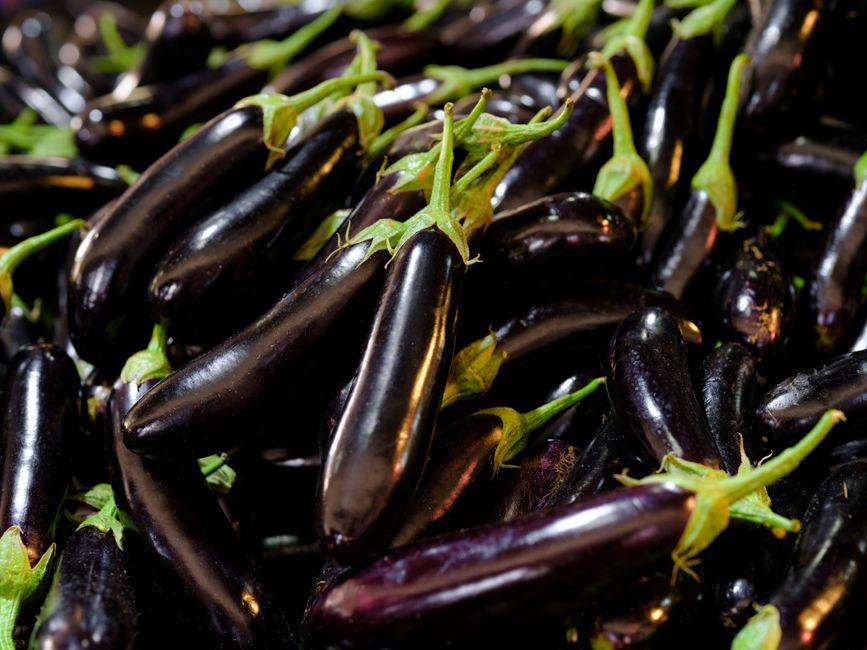
Nightshade vegetables are a family of plants known scientifically as Solanaceae. This plant family includes thousands of species, from common food crops to ornamental flowers and even some highly toxic plants like belladonna and mandrake. For most people, the edible nightshades are a normal and healthy part of the diet, but they have gained a reputation in recent years for causing inflammation and joint pain. The truth about nightshades is more nuanced than the internet suggests, and understanding the basics can help you decide whether they belong on your plate.
What Are Nightshade Vegetable? The Basics
Nightshade vegetables are flowering plants in the Solanaceae family that produce edible fruits, tubers, or leaves. The most common edible nightshades include tomatoes, potatoes, peppers (bell, chili, and paprika), and eggplant. Other less common edible nightshades include tomatillos, goji berries, and ground cherries. The nightshade family also includes tobacco, which is not eaten, and many ornamental plants that should never be consumed. The term “nightshade” comes from the historical belief that these plants had properties that thrived in the night or were associated with darkness and shadows.
Which Foods Are Considered Nightshades?
The edible nightshades are a diverse group of foods that appear in cuisines around the world. Tomatoes are the most widely consumed nightshade in the American diet, appearing in sauces, salads, soups, and juices. White potatoes are another staple, though sweet potatoes are not nightshades — they belong to a completely different plant family called Convolvulaceae, which includes morning glories. Peppers of all types are nightshades, including bell peppers, jalapeños, habaneros, and paprika, which is a ground dried pepper. Eggplant is a nightshade, as are tomatillos, which are common in Mexican green sauces. Goji berries, sometimes sold as a superfood, are also nightshades.
Some foods are commonly mistaken for nightshades. Black pepper, the spice made from peppercorns, is not a nightshade. Sweet potatoes and yams are not nightshades. Mushrooms are fungi and not plants at all. Okra, artichokes, and zucchini are all unrelated to nightshades. Being accurate about which foods are nightshades matters because eliminating the wrong foods from your diet can reduce your nutrient intake without solving the problem you are trying to address.
Why Do Nightshades Have a Bad Reputation?
Nightshades contain natural compounds called alkaloids, which are chemicals that plants produce as a defense against insects and fungi. The alkaloids found in edible nightshades include solanine, capsaicin, and tomatine. These compounds can be toxic in very high doses, but the amounts found in normal food are far below dangerous levels. Green potatoes, for example, contain elevated solanine and should not be eaten, but a ripe potato from the store is safe.
The reputation of nightshades as inflammatory foods comes largely from anecdotal reports and a few small studies, not from strong clinical evidence. Some people with autoimmune conditions, particularly rheumatoid arthritis, report that eating nightshades worsens their joint pain. However, research has not consistently confirmed that nightshades cause inflammation in the general population. The evidence is mixed at best, and no large human trials have confirmed that nightshades are harmful for most people.





Can Nightshades Cause Inflammation or Joint Pain?
The idea that nightshades cause inflammation is one of the most persistent health myths in the wellness space. Some research suggests that certain alkaloids, like solanine, may affect intestinal permeability in sensitive individuals, but these findings come mostly from animal studies and test-tube experiments. Human studies have not confirmed that eating normal amounts of nightshades causes systemic inflammation or worsens arthritis in most people.
That said, individual sensitivity is real. Some people genuinely feel better when they remove nightshades from their diet, and their joint pain or digestive symptoms improve. This does not mean nightshades are universally inflammatory — it means some people react to them. If you suspect nightshades are causing symptoms, the only way to know is to eliminate them completely for a few weeks and then reintroduce them one at a time to see how your body responds. This approach is called an elimination diet, and it can be useful for identifying food sensitivities, though it should be done with guidance from a healthcare provider.
Are Nightshades Bad for Your Gut Health?
Nightshades contain lectins, which are proteins that can bind to the lining of the digestive tract. Lectins are present in many foods, including beans, grains, and nuts, and cooking typically reduces their activity. Some people worry that the lectins in nightshades damage the gut lining or cause leaky gut syndrome. The evidence for this is limited. Most healthy people digest cooked nightshades without any problem, and the gut is designed to handle a wide variety of plant compounds.
People with existing digestive conditions, such as irritable bowel syndrome or inflammatory bowel disease, may find that certain nightshades trigger symptoms. Tomatoes are acidic and can aggravate acid reflux. Raw peppers and eggplant can be difficult to digest for some people. But these are individual responses, not evidence that nightshades are universally harmful to gut health. Cooking nightshades thoroughly reduces many of the compounds that could cause digestive upset.
What Are the Health Benefits of Nightshades?
Nightshades are not inherently bad — they are among the most nutrient-dense foods available. Tomatoes are rich in lycopene, an antioxidant that has been studied for its potential to reduce the risk of certain cancers and heart disease. Bell peppers are excellent sources of vitamin C, providing more than the daily recommended intake in a single medium pepper. Potatoes, when eaten with the skin and not fried, provide potassium, vitamin C, and fiber. Eggplant is low in calories and a good source of dietary fiber and antioxidants called anthocyanins, which give it its deep purple color.
Eliminating all nightshades from your diet can reduce your intake of these beneficial nutrients. For most people, the healthiest approach is to include nightshades as part of a varied diet rich in fruits, vegetables, whole grains, and lean proteins. The idea that nightshades are toxic or inflammatory for everyone is not supported by the scientific evidence.
Who Should Avoid Nightshades?
There is no broad medical consensus that any large group of people should avoid nightshades. The exception is people with a confirmed allergy, which is rare but possible. True nightshade allergies can cause hives, itching, swelling, and in severe cases, anaphylaxis. If you experience these symptoms after eating nightshades, you should see an allergist for testing.
Some people with autoimmune diseases choose to avoid nightshades based on the theory that they may trigger immune responses. This theory is not well established in clinical research, but it is a common recommendation in some alternative medicine circles. If you have an autoimmune condition and are considering removing nightshades from your diet, it is worth trying under medical supervision, but it should not replace proven treatments for your condition. People with kidney disease may need to limit potatoes due to their potassium content, but this is a specific medical concern, not a general reason to avoid nightshades.
How to Test If Nightshades Affect You
If you want to know whether nightshades are causing symptoms for you, the elimination diet is the most reliable method available. Remove all nightshades from your diet for two to three weeks. This means no tomatoes, potatoes, peppers, eggplant, tomatillos, or goji berries. Read labels carefully because tomato and pepper products appear in many processed foods, including sauces, soups, and spice blends.
After the elimination period, reintroduce one nightshade at a time. Eat a normal serving and monitor your symptoms for 24 to 48 hours. If symptoms return, you have identified a sensitivity. If no symptoms appear, that particular nightshade is likely fine for you. Keep a food diary during this process to track your symptoms accurately. It is possible to be sensitive to one nightshade but not others, so testing each one individually is important.
Frequently Asked Questions
Are sweet potatoes nightshades?
No, sweet potatoes are not nightshades. They belong to the morning glory family, which is completely different from the Solanaceae family that includes tomatoes, peppers, and white potatoes.
Are onions and garlic nightshades?
No, onions and garlic are not nightshades. They belong to the Allium family, which also includes leeks, shallots, and chives.
Can nightshades cause arthritis pain?
Some people report that nightshades worsen their arthritis pain, but clinical studies have not confirmed a consistent link. Individual sensitivity is possible, and an elimination diet can help you determine if nightshades affect your symptoms.
Are green potatoes dangerous?
Yes, green potatoes contain elevated levels of solanine, a natural toxin that can cause nausea, headaches, and digestive problems. Discard any potato that has green skin or a bitter taste.
