
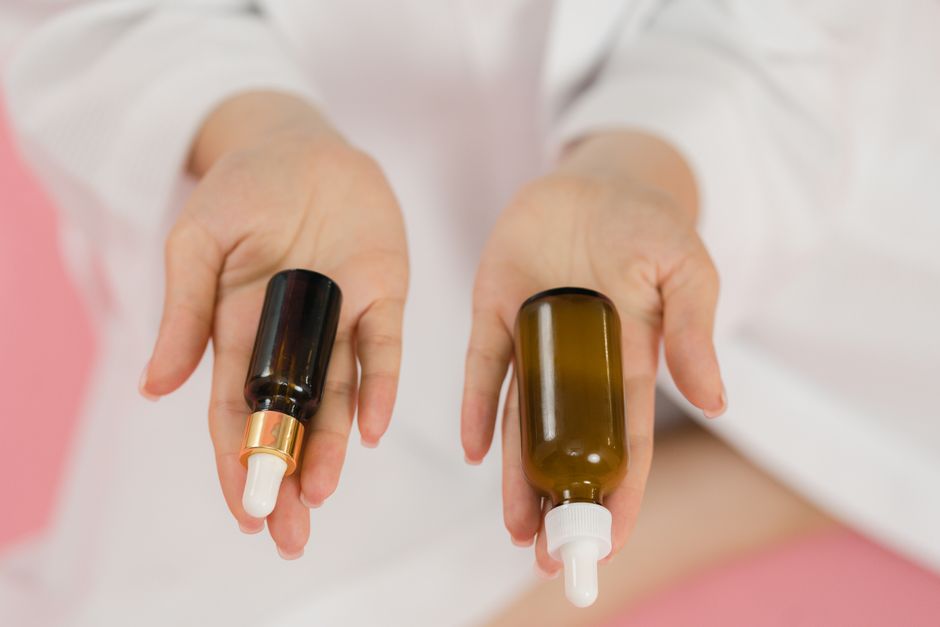
Skin naturally loses firmness as we age. Collagen production slows, elastin breaks down, and the skin’s support structure weakens. Many people look for oils that can help tighten this lax skin. The honest answer is that no oil can truly “tighten” skin the way a surgical procedure can. However, certain carrier oils and essential oils can improve skin elasticity, hydration, and firmness to a measurable degree. The best options are rosehip seed oil, pomegranate seed oil, and frankincense essential oil. These oils work by supporting collagen synthesis and protecting existing collagen from breakdown.
How Do Oils Affect Skin Tightening?
Oils do not physically pull skin tighter. They work at the cellular level to improve the structural proteins that give skin its firmness.
Skin firmness depends mostly on collagen and elastin. Collagen gives skin structure. Elastin allows it to snap back after stretching. Both decline with age, sun damage, and hormonal changes.
Fatty acids in carrier oils penetrate the stratum corneum, the outermost skin layer. They restore the lipid barrier and improve moisture retention. Hydrated skin appears plumper and firmer. Dehydrated skin looks dull and sags more visibly.
Some oils contain compounds that may influence collagen production directly. Rosehip seed oil is rich in vitamin C, a cofactor required for collagen synthesis. Pomegranate seed oil contains punicic acid, a conjugated linolenic acid that some research suggests can stimulate collagen production in skin cells.
Essential oils work differently. They are concentrated plant extracts used in tiny amounts. Their benefit comes from antioxidant and anti-inflammatory activity. Chronic inflammation breaks down collagen. Reducing that inflammation protects the collagen you still have.
The effect is modest. Oils can improve skin quality and firmness somewhat. They cannot reverse significant sagging or replace lost volume.
What Carrier Oils Tighten Skin Best?
Carrier oils are the base oils used to dilute essential oils. Some have documented skin benefits on their own.
Rosehip seed oil is one of the most studied oils for skin firmness. It contains vitamin C, vitamin A derivatives, and essential fatty acids. Research published in dermatology journals indicates it can improve skin elasticity and reduce the appearance of fine lines when used consistently over several weeks. It is thin, absorbs quickly, and suits most skin types.
Pomegranate seed oil stands out for its punicic acid content. Cell studies show this compound can increase collagen production. Human studies are limited, but the existing evidence is promising. It is more expensive than many other carrier oils.
Argan oil is rich in vitamin E and linoleic acid. It improves skin elasticity and hydration. Some clinical studies have compared it to other moisturizers and found meaningful improvements in skin firmness over two months of daily use.
Jojoba oil closely resembles human sebum. It is an excellent moisturizer and barrier repair agent. Its effect on tightening is indirect but real. Well-hydrated skin with an intact barrier looks and feels firmer.
Avocado oil, sweet almond oil, and sunflower oil all provide fatty acids that support skin health. They are less studied specifically for firming but are reasonable, affordable choices.
What Essential Oils Are Used for Skin Firming?
Essential oils are potent. They must always be diluted in a carrier oil before applying to skin. Typical dilution is 1-2 drops of essential oil per tablespoon of carrier oil.
Frankincense essential oil is the most frequently cited oil for skin tightening. It contains boswellic acids with anti-inflammatory properties. Some research suggests it can help reduce the appearance of wrinkles and improve skin tone. Most evidence is anecdotal or based on traditional use rather than large clinical trials.
Lavender essential oil is sometimes used in anti-aging blends. It has antioxidant activity and may support skin healing. Its direct effect on skin firmness is not well documented.
Geranium essential oil is believed to improve skin elasticity. It has astringent properties that may temporarily tighten skin pores. The evidence here is largely traditional rather than scientific.
Carrot seed essential oil is rich in antioxidants, including beta-carotene. It is used in some firming formulations. No strong clinical evidence confirms it tightens skin on its own.
Essential oils are not a substitute for proven skincare ingredients like retinoids or sunscreen. They are complementary at best.




Do Any Studies Confirm Oil-Based Skin Tightening?
Some human studies support the use of specific oils for skin elasticity. The evidence is decent but not overwhelming.
Research on rosehip oil has shown measurable improvements in skin elasticity and hydration. One study had participants apply rosehip oil twice daily for eight weeks. Skin elasticity improved significantly compared to baseline. The study was small but well designed.
Argan oil has been studied for cosmetic use. Clinical trials found it improves skin elasticity and reduces transepidermal water loss. These are real, measurable changes in skin barrier function.
Pomegranate seed oil research is mostly in cell cultures and animal models. These studies show increased collagen production. Human trials confirming a visible tightening effect are lacking.
No large randomized controlled trials have tested frankincense, geranium, or carrot seed essential oils specifically for skin tightening. Claims about these oils rest on traditional use and preliminary research.
Be skeptical of products promising dramatic tightening results from oils alone. Cosmetic science does not support that outcome.
How Long Until Oils Improve Skin Firmness?
Skin cell turnover takes about 28 days. Structural changes in collagen take longer. Visible improvements from topical oils typically require 8-12 weeks of consistent use.
Hydration benefits appear faster. Skin may look plumper within days of regular oil application. This effect is temporary and lasts only as long as the skin remains well moisturized.
Collagen-related changes, if they occur, are gradual. You might notice smoother texture and slightly better elasticity after two to three months. Results vary widely between individuals.
Age, sun exposure history, genetics, and lifestyle all influence how well oils work. A 35-year-old with mild laxity will see more benefit than a 60-year-old with significant sagging.
Consistency matters more than quantity. A small amount of oil applied daily outperforms a heavy application once a week.
How to Apply Oils for Best Results
Application technique affects how well oils penetrate and work.
Apply oils to slightly damp skin. Water helps pull fatty acids deeper into the stratum corneum. Cleanse your face, pat it dry gently, then apply oil while skin is still a bit moist.
Use gentle upward motions. Massage stimulates blood flow, which delivers nutrients to skin cells. Do not tug or pull at the skin. That can contribute to mechanical stress on elastin fibers.
Use oils at night when skin repair processes are most active. Morning application is fine too, but oils can interfere with sunscreen absorption. Apply sunscreen first and wait a few minutes before adding oil.
A simple routine looks like this:
- Cleanse your face with a gentle cleanser.
- Apply a few drops of carrier oil to damp skin.
- Mix one drop of essential oil into the carrier oil if using one.
- Massage gently for 30-60 seconds.
- Allow the oil to absorb before applying other products.
Start slowly if you have never used facial oils. Patch test on your inner forearm first. Wait 24 hours to check for irritation.
What Oils Will Not Do
Oils have real limits. Understanding them prevents disappointment.
Oils cannot tighten severely sagging skin. They cannot remove excess skin after major weight loss. They cannot replace the results of a facelift or other surgical procedure.
Oils also cannot protect you from ongoing sun damage. Sun exposure continues to break down collagen regardless of what you apply topically. Daily sunscreen use is the single most effective way to preserve skin firmness.
Smoking accelerates collagen breakdown. No oil can counteract that. Diet, sleep, and stress management all affect skin quality more than any topical product.
If you want firmer skin, oils are one tool among many. They work best alongside sun protection, a healthy diet, and consistent skincare habits.
Frequently Asked Questions
What is the best carrier oil for tightening loose skin?
Rosehip seed oil has the strongest research support for improving skin elasticity. Pomegranate seed oil is also promising but has less human data.
Can essential oils really tighten skin?
Essential oils have antioxidant and anti-inflammatory effects that protect collagen, but no essential oil has been proven to physically tighten skin in clinical trials.
How often should I apply oils to see firmer skin?
Daily application is required for any visible benefit. Expect to wait 8-12 weeks before noticing measurable changes in skin firmness.
Are facial oils safe for all skin types?
Most carrier oils are safe for sensitive skin, but essential oils can cause irritation. Always dilute essential oils and patch test before applying to your face.
