
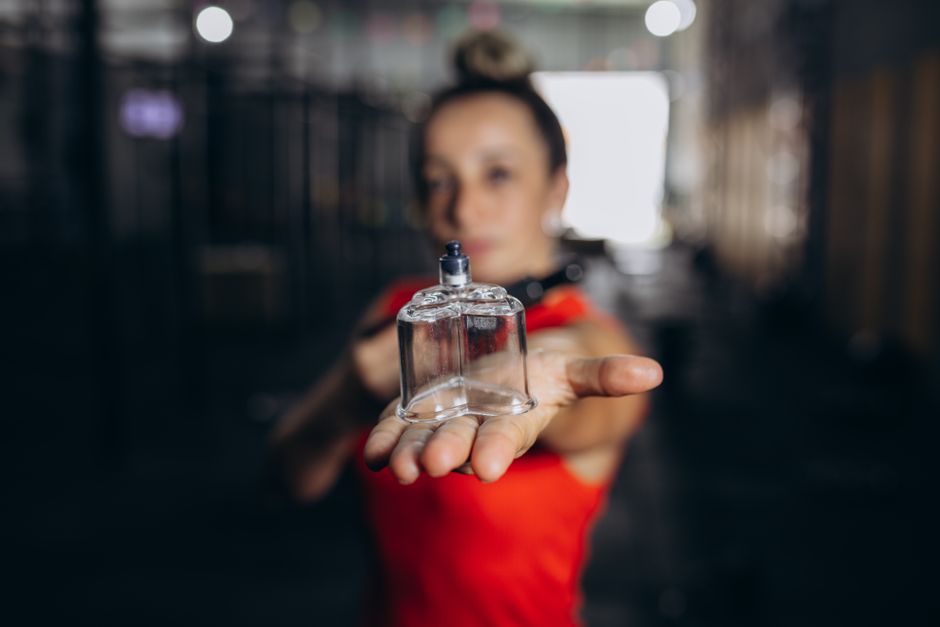
Micro coring is a skin treatment that uses very fine needles to create tiny puncture wounds in the top layers of skin. The body responds by starting a wound-healing process that builds new collagen. That new collagen is what firms and tightens the skin over time. The name is mostly a marketing term. In clinical language, this is a form of microneedling, and the tightening effect comes from collagen remodeling, not from the needles themselves.
What Is Micro Coring And How Does It Tighten Skin?
Micro coring describes a device that presses a cluster of fine needles into the skin. The needles are short enough to reach the upper dermis, the layer just below the surface. Each puncture is small and closes quickly.
The tightening happens through a process called collagen remodeling. When skin is injured, cells called fibroblasts move in and lay down new collagen and elastin. Collagen is the protein that gives skin its structure and firmness. Elastin lets skin stretch and snap back. As we age, we lose both. Micro coring creates controlled micro-injuries that prompt the body to replace some of that lost structural protein.
This is not instant. The visible tightening builds over weeks to months as new collagen matures. One common misunderstanding: the needles do not “fill in” wrinkles or physically lift the skin. Any firming you see is your own body’s repair response. That also explains why results vary so much from person to person.
How Is Micro Coring Different From Regular Microneedling?
In most cases, it is not different in any meaningful way. “Micro coring” is not a standardized medical term. It appears in marketing for certain devices and treatments, but it is not a recognized category in dermatology.
Traditional microneedling uses a roller or a pen with many fine needles. The goal is broad coverage of an area to trigger collagen. Some devices marketed as micro coring describe a similar mechanism with a different needle arrangement or depth. The underlying biology is the same.
This matters for one practical reason. If a clinic charges more for “micro coring” than for standard microneedling, ask what is actually different about the device and the depth used. Sometimes the answer is nothing but the name. A brand name is not evidence of a better result.
What Does The Evidence Actually Show?
Microneedling has a reasonable body of research behind it for certain uses. Studies have found it can improve the appearance of scars, including acne scars, and some research indicates benefit for skin texture and fine lines. The evidence is strongest for scars and more limited for general skin tightening and wrinkle reduction.
Here is the honest part. The evidence for microneedling specifically as a skin-tightening treatment is thinner than the marketing suggests. Many studies are small. Some lack a control group, meaning it is hard to separate the treatment from other factors. Results are often measured by visual scoring, which is subjective.
There is no clinical evidence confirming that “micro coring” as a named treatment does anything that standard microneedling does not. The mechanism is plausible and the broader category has some support. The specific branded version does not have its own separate evidence base.



Who Might Consider It And Who Should Avoid It?
People often look into microneedling for acne scars, enlarged pores, fine lines, and mild skin laxity. It is generally not a substitute for treatments that address deeper structural aging, such as certain energy devices or surgery.
Some people should not have this done, or should check with a clinician first:
- Anyone with active acne, cold sores, or a skin infection in the treatment area
- People with a history of keloid scarring
- Those taking certain blood-thinning medications
- People with active eczema or psoriasis in the area
- Anyone who is pregnant or breastfeeding, since safety has not been established for these groups
No clinical guidelines currently exist for microneedling during pregnancy or breastfeeding. That is not the same as saying it is dangerous. It means the data is not there, so the cautious choice is to wait.
What Are The Risks And Side Effects?
Common side effects are temporary and local. Expect redness, mild swelling, and a sensation like a sunburn for a short period after treatment. Some people get minor bruising or pinpoint bleeding. These usually settle within days.
More serious problems are uncommon but real. These include infection, scarring, and changes in skin pigment, especially in people with darker skin tones. Pigment changes can be long-lasting and are one of the main reasons to have this done by someone experienced.
Needle depth and hygiene matter a great deal. A device used at the wrong depth or without proper sterilization raises the risk of complications. This is not a treatment to improvise at home with unregulated tools. At-home rollers sold online are typically much shallower than clinical devices, and their safety and sterility are not held to the same standard.
How Long Do Results Take And How Long Do They Last?
Collagen remodeling is slow. Noticeable changes usually appear over several weeks, and full effects may take a few months. This is not a same-day result.
Most people need more than one session. Treatment plans often involve a series of sessions spaced weeks apart, though the exact number depends on the goal and the clinician. Maintenance sessions are sometimes used to sustain results.
Results are not permanent. Collagen continues to break down with age. Any firming you gain will gradually fade without upkeep, and it will not stop the natural aging process. Anyone promising permanent tightening is overstating what this can do.
How Does It Compare To Other Tightening Treatments?
Microneedling is one option among several. It tends to be gentler and less expensive than energy-based devices, but the tightening effect is usually more modest. Here is a general comparison, though specific results vary widely by person and provider.
| Treatment Type | How It Works | General Intensity |
|---|---|---|
| Microneedling / “micro coring” | Controlled micro-injuries trigger collagen | Mild to moderate |
| Radiofrequency microneedling | Needles plus heat to stimulate deeper collagen | Moderate to stronger |
| Laser resurfacing | Removes surface layers to rebuild skin | Stronger, more downtime |
| Ultrasound tightening | Focused energy reaches deeper tissue | Moderate, targeted |
None of these reverse aging. They can improve appearance to varying degrees. The right choice depends on your skin, your goal, your budget, and how much downtime you can accept. A qualified clinician can explain which is realistic for you.
What Should You Ask Before Booking?
If you are considering this, a few questions help you judge whether a provider is being straight with you.
- What device are you using, and what depth will you treat?
- How many sessions do you expect, and what results are realistic?
- What are the risks for my skin tone and history?
- Is “micro coring” different from standard microneedling here, and if so, how?
A provider who answers clearly and does not promise dramatic or permanent results is more likely to be giving you an honest picture. Be wary of anyone who guarantees tightening or calls it a cure for aging skin.
Frequently Asked Questions
Is micro coring the same as microneedling?
In practice, yes. Micro coring is a marketing name rather than a recognized medical term, and it works through the same mechanism as standard microneedling.
How long does it take to see skin tightening from micro coring?
Changes usually appear over several weeks as new collagen forms, with fuller effects taking a few months. Results are not immediate and are not permanent.
Is micro coring safe for darker skin tones?
It can be done, but the risk of pigment changes is higher in darker skin. Having it performed by an experienced clinician lowers that risk.
Can I do micro coring at home?
At-home rollers exist, but they are usually much shallower than clinical devices and their sterility is not held to the same standard. Clinical treatment by a trained provider is the safer route.
