
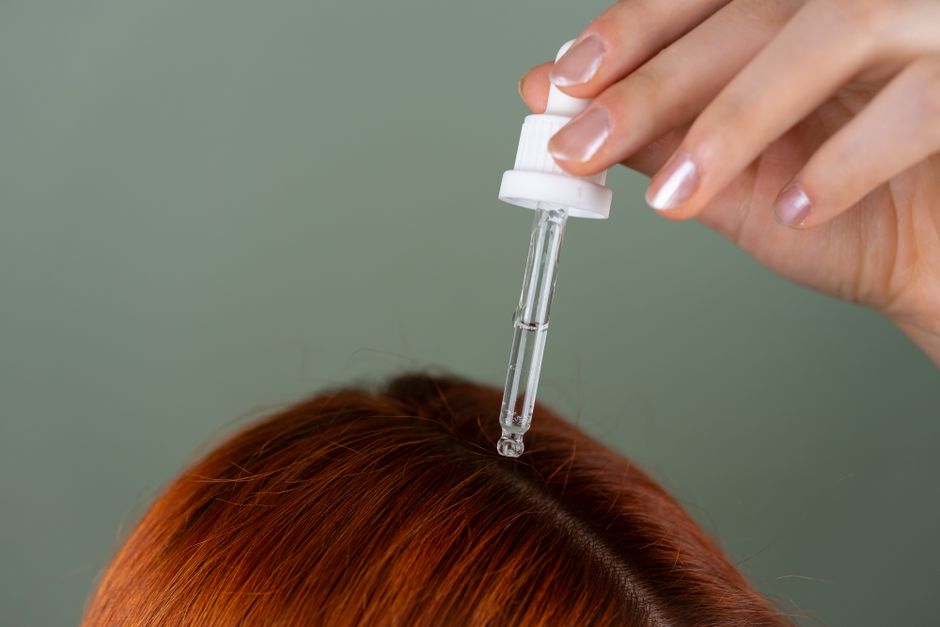
There is no single best oil for your scalp. The right one depends on what your scalp is actually doing — whether it is dry and flaking, oily and inflamed, itchy, or simply in need of moisture. Oils can help in some of these situations and make others worse. The sections below break down which oils fit which scalp condition, and where the evidence is thin.
What Oil Is Good For Your Scalp Oils By Condition?
Different scalp problems have different causes, so they respond to different oils — or to no oil at all.
Dry scalp, dandruff, seborrheic dermatitis, and scalp psoriasis can all look similar from the outside. They are not the same condition. A dry scalp is often just that: skin that lacks moisture. Dandruff and seborrheic dermatitis involve a yeast called Malassezia that lives on most people’s scalps and overgrows in some. Psoriasis is an immune-driven condition. Because the causes differ, the same oil will not help all of them, and some oils can feed the yeast involved in dandruff.
Here is a simple way to think about it before you buy anything:
- Dry, tight scalp: oils that add moisture and support the skin barrier are reasonable.
- Flaking with itching and oiliness: this is more often dandruff or seborrheic dermatitis, and oil is not the first-line answer.
- Red, scaly, well-defined patches: this pattern suggests psoriasis, which needs medical treatment, not oil.
- Reactions to a new product: stop using it. This may be contact dermatitis, and adding oil can worsen it.
If your scalp is inflamed, bleeding, oozing, or losing hair, see a doctor or dermatologist. Oils are not a treatment for those signs.
Which Oils Help a Dry Scalp?
For a genuinely dry scalp, oils that mimic or support the skin’s natural lipids are the most sensible choice.
The scalp, like the rest of your skin, has a barrier made of oils and skin cells that holds in water. When that barrier is disrupted — by cold weather, harsh shampoos, or overwashing — water escapes and the skin feels tight and flaky. Oils can slow that water loss by sitting on the surface and forming a seal.
Oils commonly used for this purpose include:
- Jojoba oil: chemically similar to the sebum your scalp produces, which is why it is often well tolerated.
- Argan oil: rich in fatty acids and vitamin E, and relatively light.
- Squalane: a lightweight oil that closely resembles a lipid found naturally in human skin.
- Coconut oil: moisturizing for many people, but it can worsen dandruff in some, so it is not the best first choice if you also have flaking.
Apply a small amount to the scalp, leave it for a short time, then wash it out. Leaving heavy oil on the scalp for long periods can clog follicles and trap debris. The goal is moisture, not a thick coating.
What About Dandruff and Seborrheic Dermatitis?
Oil is usually the wrong tool for dandruff and seborrheic dermatitis, and some oils can make them worse.
These conditions are linked to Malassezia, a yeast that feeds on certain oils. That is the key point many people miss. Applying oil to a scalp where this yeast is overgrowing can supply it with more fuel. Coconut oil, in particular, contains fatty acids that some research suggests can support Malassezia growth, though results are not uniform across all studies.
The established approach for dandruff and seborrheic dermatitis is medicated shampoo, not oil. Ingredients with the strongest track record include:
- Zinc pyrithione
- Selenium sulfide
- Ketoconazole
- Salicylic acid (helps lift scale)
- Coal tar (used for more stubborn cases)
Some people use oils like tea tree or neem as add-ons. Tea tree oil has shown some antifungal activity in laboratory and small clinical studies, but it is not a replacement for medicated shampoo, and it can irritate skin or cause allergic reactions. Never apply undiluted essential oils to the scalp. If you want to try one, dilute it in a carrier oil and patch-test first.
If over-the-counter shampoos do not control your symptoms after a few weeks of consistent use, that is a signal to see a dermatologist rather than to keep adding oils.


Which Oils Suit an Oily Scalp?
An oily scalp generally does not need oil. Adding more can worsen the problem.
An oily scalp usually reflects active sebaceous glands, which is largely determined by genetics and hormones. The most useful steps are gentle, regular washing and avoiding heavy products that sit on the scalp. If you want a light oil for the ends of your hair, keep it away from the scalp itself.
One nuance: some people have an oily scalp and dry ends, because the oil produced at the scalp does not travel down the hair shaft. In that case, a light oil like squalane or argan applied only to the ends can help, while the scalp stays clear.
If your scalp became oily suddenly, or is oily along with redness and itching, that points toward seborrheic dermatitis rather than simple oiliness — and again, medicated shampoo is the better route.
What Helps an Itchy or Irritated Scalp?
Itching is a symptom, not a diagnosis, so the right oil depends on what is causing the itch.
Common causes include dandruff, seborrheic dermatitis, contact reactions to hair products, dry skin, and, less often, lice or a fungal infection. Because the causes vary, no single oil treats all itchy scalps.
For itch driven by dryness, a soothing oil like jojoba or squalane may calm the skin. For itch driven by dandruff or seborrheic dermatitis, medicated shampoo is more likely to help than oil. For itch from an allergic reaction to a product, the fix is to stop using that product.
Colloidal oatmeal and aloe are sometimes used for irritated skin, and both have a reasonable history of use for calming irritation, though evidence specific to the scalp is limited. If itching is severe, persistent, or comes with a rash, sores, or hair loss, get it checked rather than self-treating.
How Should You Apply Scalp Oil?
If you decide to use oil, how you apply it matters as much as which one you pick.
A few general points, based on how the scalp and hair behave:
- Start with a small amount. More oil does not mean more benefit.
- Apply to the scalp, not just the hair.
- Leave it on for a limited time, then wash it out. Long overnight soaks are not necessary and can leave residue.
- Patch-test a new oil on a small area first, especially essential oils, which are more likely to irritate.
- Stop if you notice redness, itching, or increased flaking.
Warm (not hot) oil spreads more easily. Massaging it in gently can feel soothing, but massage does not treat an underlying scalp condition.
When Oil Is Not the Answer
Oil is not a treatment for scalp conditions that need medical care.
See a doctor or dermatologist if you have:
- Patches that are red, scaly, and sharply defined, which can suggest psoriasis
- Severe or worsening flaking that does not respond to medicated shampoo
- Scalp pain, sores, or open areas
- Hair loss or thinning
- Signs of infection such as pus, warmth, or swelling
Oils can feel good and can help a dry scalp hold onto moisture. They are not a substitute for treating a diagnosed condition. If you are unsure which category your scalp falls into, that uncertainty itself is a good reason to get a professional opinion before experimenting.
Frequently Asked Questions
What is the best oil for a dry scalp?
Jojoba, argan, and squalane are reasonable choices because they are light and support the skin barrier. Coconut oil also moisturizes but can worsen flaking in some people, so it is not the safest first pick if you also have dandruff.
Can I use coconut oil for dandruff?
Coconut oil is not a good choice for dandruff because the yeast involved in dandruff feeds on certain oils, and coconut oil may support its growth. Medicated shampoo with ingredients like zinc pyrithione or ketoconazole is the better approach.
Does tea tree oil cure dandruff?
Tea tree oil has shown some antifungal activity, but it is not a cure and should not replace medicated shampoo. It can also irritate skin, so dilute it and patch-test before use.
How often should I oil my scalp?
There is no established schedule, and frequency depends on your scalp and the oil you use. A small amount applied occasionally and washed out is generally enough; stop if you notice irritation or more flaking.
