
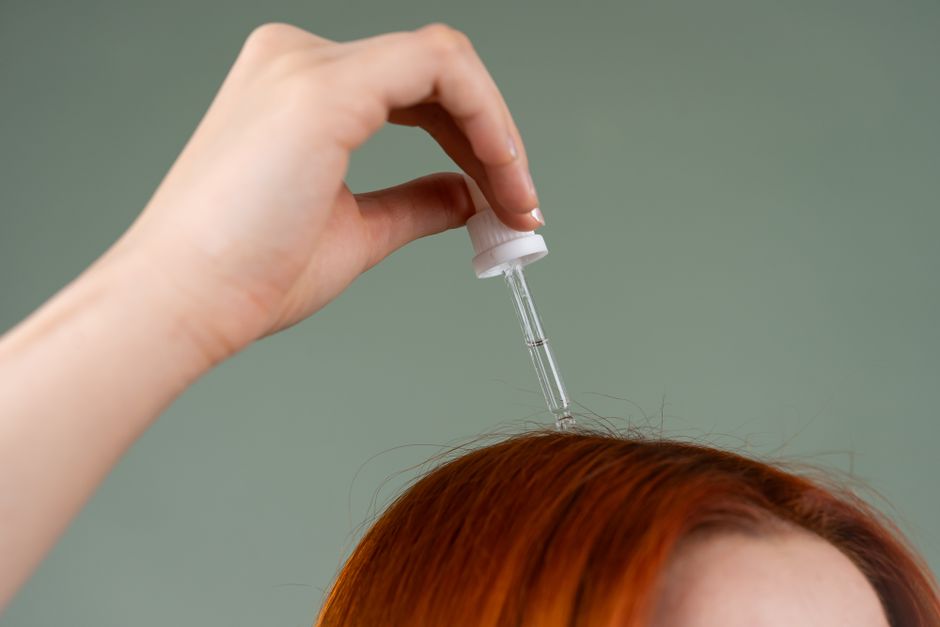
Dandruff is not caused by poor hygiene, and it is not simply a dry scalp. The most common cause is a yeast-like fungus called Malassezia that lives on nearly every adult scalp. When this fungus feeds on the natural oils your skin produces, it creates byproducts that can irritate the skin and speed up the shedding of skin cells, which shows up as those white flakes. While fungus and oil are the central players, the condition also involves your skin’s individual sensitivity and how your immune system reacts.
What Causes Dandruff On The Scalp Fungus Oil More?
The short answer is that fungus and oil work together to cause dandruff, and neither one does it alone. Malassezia is a type of fungus that is part of the normal microbiome of the human scalp. It is not a sign of being unclean, and almost everyone carries it. The problem starts when the scalp produces excess sebum, which is the skin’s natural oil. Malassezia feeds on that oil, and as it digests it, the fungus breaks the oil down into substances that can be irritating.
For most people, this process happens without any visible symptoms. But in people who are sensitive to the byproducts, the scalp responds by increasing skin cell turnover. Instead of shedding dead skin cells gradually, the scalp produces new cells faster than the old ones can fall off. The result is a buildup of clumped, oily skin cells that flake off as dandruff. This explains why dandruff is often worse in oily areas of the scalp and why simply washing more frequently can sometimes help — it removes the oil that feeds the fungus.
Is Dandruff the Same as a Dry Scalp?
No. This is one of the most common mix-ups in hair care. Dry scalp flakes are small, white, and dry. They fall off easily and are usually caused by cold weather, harsh shampoos, or skin conditions like eczema. Dandruff flakes are larger, yellowish, and greasy. They tend to stick to the scalp and hair before falling off.
The distinction matters because the treatments are different. A dry scalp needs moisture, often from a gentler shampoo or a conditioner. Dandruff needs an antifungal or anti-inflammatory approach to address the fungus and the irritation it causes. Using a moisturizing shampoo on dandruff can actually make it worse by adding more oil to a scalp that already has too much.
What Exactly Is Malassezia?
Malassezia is a genus of fungi that lives on the skin of humans and other warm-blooded animals. It is a lipophilic organism, which is a scientific way of saying it requires fats to survive. It cannot live without oil, which is why it thrives on the scalp, face, and upper chest — all areas with high numbers of sebaceous glands.
There are several species of Malassezia, and the most common one linked to dandruff is Malassezia restricta. Research has consistently found higher levels of this species on scalps with dandruff compared to healthy scalps. However, the presence of the fungus alone does not predict dandruff. Many people with high levels of Malassezia never develop flakes. The key factor is how your skin reacts to the fungus and its metabolic byproducts.
One of those byproducts is oleic acid. When Malassezia breaks down sebum, it releases oleic acid, which can penetrate the outer layer of the skin. In susceptible people, this triggers an inflammatory response that leads to the rapid cell turnover and flaking that defines dandruff. In people who are not sensitive, oleic acid causes no visible reaction at all.




Why Do Some People Get Dandruff and Others Do Not?
Genetics play a significant role. Some people are simply born with a scalp that reacts more strongly to Malassezia and its byproducts. This sensitivity is not something you can change, but it can be managed.
Age also matters. Dandruff is rare in children and becomes more common after puberty. This timing lines up with the increase in sebum production that happens when hormones change during adolescence. Sebum production tends to peak in a person’s twenties and then gradually decline with age, which is why dandruff often becomes less severe in older adults.
Stress is another factor that can make dandruff worse, though it does not cause it. High stress levels can increase sebum production and may also affect how the immune system responds to the fungus. The result is that people who already have dandruff often notice flare-ups during stressful periods, even if their routine has not changed.
Does Diet Affect Dandruff?
The evidence on diet and dandruff is limited, and no specific food has been proven to cause or cure it. Some studies suggest that certain nutrients might play a role, but the research is not strong enough to make firm recommendations.
Zinc is one nutrient that has received attention. Zinc has anti-inflammatory properties, and some research indicates that people with low zinc levels may have more skin issues. However, there is no evidence that taking zinc supplements will clear dandruff in someone who is not deficient.
B vitamins, particularly B6 and B12, have also been studied in connection with skin health. Again, the evidence is mixed, and no clinical guidelines currently recommend specific vitamin doses for dandruff. A balanced diet is always a good idea for overall health, but do not expect dietary changes alone to resolve dandruff.
What Treatments Actually Work for Dandruff?
Over-the-counter dandruff shampoos are the first-line treatment, and they work through different mechanisms. Understanding which ingredient you are using helps you choose the right product and use it correctly.
- Zinc pyrithione reduces the amount of fungus on the scalp. It is the most common active ingredient in dandruff shampoos and is a good starting point for most people.
- Ketoconazole is a true antifungal that stops Malassezia from growing. It is available over the counter at a 1% concentration and by prescription at 2%.
- Selenium sulfide slows down skin cell turnover and also has some antifungal activity. It is effective but can be drying.
- Coal tar reduces scaling and slows cell turnover. It is effective but has a strong odor and can stain light-colored hair.
- Salicylic acid helps remove scales but does not target the fungus. It is often combined with other active ingredients.
For any of these shampoos to work, they need to stay on the scalp for a few minutes before rinsing. This gives the active ingredient time to work. Most products recommend leaving the shampoo on for about five minutes, and following the instructions on the label is important.
If over-the-counter products do not help after several weeks, a dermatologist can prescribe stronger treatments. These may include a higher concentration of ketoconazole, a topical steroid to reduce inflammation, or other prescription options. Some clinicians also recommend alternating between two different active ingredients, as this can be more effective than using one product continuously.
How Often Should You Wash Your Hair?
There is no single answer that works for everyone. The goal is to remove excess oil without stripping the scalp so much that it becomes irritated. For most people with dandruff, washing daily or every other day with a dandruff shampoo is a reasonable starting point.
If your scalp becomes red, tight, or irritated, you may be washing too often or using a product that is too harsh. In that case, reduce frequency or switch to a gentler formulation. If flakes persist with daily washing, you may need to leave the shampoo on longer or consider alternating with a different active ingredient.
One common mistake is stopping treatment as soon as the flakes disappear. Dandruff is a chronic condition for most people, and the fungus does not go away. The flakes will likely return if you stop using the treatment. Many people find that they can reduce frequency to once or twice a week once their scalp is under control.
When Should You See a Doctor?
If you have tried over-the-counter dandruff shampoos for several weeks without improvement, it is reasonable to see a dermatologist. The same applies if your scalp is very red, painful, or bleeding, or if the flaking spreads beyond your scalp to your face, chest, or back.
These symptoms can sometimes indicate a different condition, such as seborrheic dermatitis, which is a more severe and inflammatory form of the same underlying process. Seborrheic dermatitis can affect areas beyond the scalp, including the eyebrows, sides of the nose, and chest. It often requires prescription treatments and can be managed effectively with the right approach.
In rare cases, flaking can be a sign of psoriasis, which is an autoimmune condition that requires different treatment. A dermatologist can distinguish between these conditions by examining your skin and, if needed, taking a small sample for testing.
Frequently Asked Questions
Can dandruff cause hair loss?
Dandruff itself does not cause permanent hair loss, but severe scratching can damage hair follicles and lead to temporary shedding. Treating the dandruff usually stops any related hair loss.
Is it safe to use dandruff shampoo every day?
Yes, daily use is generally safe for most people, but it can dry out the scalp if you are sensitive to the active ingredients. If irritation occurs, reduce frequency or switch to a gentler product.
Does coconut oil help or worsen dandruff?
Coconut oil can worsen dandruff in many people because it adds more oil for the fungus to feed on. It may help with dry scalp, but it is not an evidence-based treatment for dandruff.
Can dandruff be cured permanently?
No permanent cure exists, but dandruff can be effectively controlled with regular use of antifungal shampoos. Many people manage it successfully with consistent treatment and see no flakes for long periods.
