
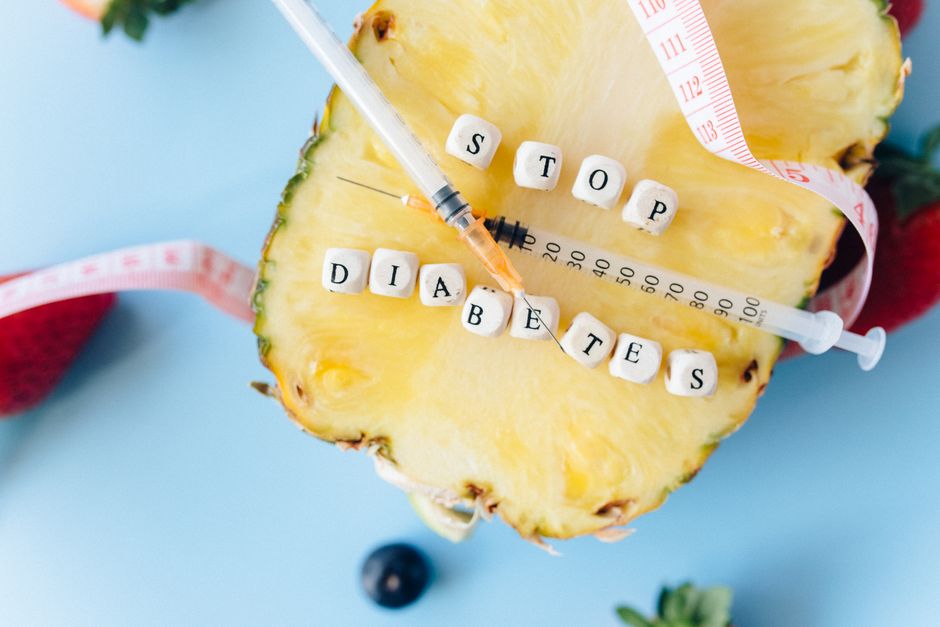
If you have diabetes, the foods that spike blood sugar fastest are the ones your body turns into glucose almost immediately. That means sugary drinks, fruit juice, regular soda, candy, white bread, white rice, and most heavily processed snack foods. These raise blood sugar quickly and often steeply, which is why they are the first things to limit.
Blood sugar spikes are not just about how much sugar a food contains. They are about how fast that sugar reaches your bloodstream, how little fiber or protein comes with it, and how much of it you eat in one sitting. Two foods can have the same amount of carbohydrate and affect your blood sugar very differently.
The good news is that the list of foods worth avoiding is not endless. Once you understand why certain foods hit hard, the choices get simpler.
What Not To Eat If Diabetic Foods That Spike Blood Sugar?
The clearest offenders are foods made mostly of refined sugar or refined starch with little fiber, fat, or protein to slow them down. Your body breaks these down so quickly that glucose enters the blood almost as fast as if you had swallowed plain sugar.
The main categories to limit or avoid include:
- Sugary drinks. Regular soda, sweet tea, energy drinks, and most bottled fruit drinks. Liquid sugar needs almost no digestion, so it hits the bloodstream fast. This is one of the strongest effects in nutrition research.
- Fruit juice. Even 100% juice with no added sugar. Juicing removes most of the fiber that whole fruit provides, so the sugar absorbs faster. A whole orange and a glass of orange juice are not the same thing for blood sugar.
- Candy and sweets. Candy, syrups, honey, and table sugar used in large amounts.
- White bread, white rice, and white pasta. Refined grains have had the fiber-rich outer layers removed. They digest quickly and raise blood sugar sharply compared with whole-grain versions.
- Sugary breakfast cereals. Many are mostly refined flour and added sugar with very little fiber.
- Processed snack foods. Cookies, cakes, crackers, and chips made with refined flour and sugar.
- Potatoes in large amounts, especially fried. Baked and fried potatoes have a high glycemic impact, though the effect depends on portion size and what you eat with them.
This does not mean these foods are poison or that one bite will harm you. It means they are the foods most likely to push your glucose high, especially when eaten alone or in large portions.
Why Do Some Foods Spike Blood Sugar Faster Than Others?
Blood sugar rises when carbohydrate is broken down into glucose and absorbed into the blood. The speed of that process depends on the food’s structure, not just its sugar content.
Fiber is one of the biggest factors. Fiber slows digestion and the release of glucose into the bloodstream. When a grain is refined, that fiber is stripped away, so the remaining starch breaks down quickly. This is why whole oats and instant sugary oats behave differently, even though both are “oats.”
Protein and fat also slow digestion. A slice of white bread eaten alone will raise blood sugar faster than the same bread eaten with eggs or peanut butter. The bread has not changed, but the meal around it has.
Liquid carbohydrates are a special case. Because there is little to chew and little to digest, sugar in drinks reaches the blood faster than sugar in solid food. This is why sugary drinks are consistently linked to sharper glucose rises than most solid foods.
Some researchers use the glycemic index to describe how fast a food raises blood sugar, and the glycemic load to describe the combined effect of speed and portion size. These are useful guides, but they are not perfect. Your own response depends on your body, your medications, and what else you eat at the same meal.
Are All Carbohydrates Bad for Diabetes?
No. Carbohydrates are the body’s main source of energy, and people with diabetes still need them. The goal is not to eliminate carbs. It is to choose the ones that digest more slowly and to pair them with fiber, protein, and fat.
Whole fruits, beans, lentils, whole grains, and non-starchy vegetables all contain carbohydrate, but they come packaged with fiber and other nutrients that blunt the glucose rise. Most people with diabetes can eat these in appropriate portions without large spikes.
What matters is the total amount of carbohydrate, the type, and the company it keeps on your plate. A meal of grilled chicken, roasted vegetables, and a small portion of brown rice will affect blood sugar very differently than a bowl of white rice alone.
Some clinicians recommend counting carbohydrates, others focus on choosing lower-glycemic foods, and some combine both. There is no single approach that works for everyone, and what works can change over time.




What About Fruit, Which Contains Natural Sugar?
Whole fruit is not the same as fruit juice or candy, and most people with diabetes do not need to avoid it. The fiber in whole fruit slows sugar absorption, and the water content helps you feel full.
That said, fruit is not free of carbohydrate. A large banana, a big bowl of grapes, or several servings of dried fruit at once can raise blood sugar more than a small apple or a handful of berries. Dried fruit is a particular concern because removing water concentrates the sugar into a small volume, so it is easy to eat a lot quickly.
Portion and form matter more than the fruit itself. A small piece of whole fruit with a meal tends to have a gentler effect than the same fruit eaten alone in a large amount.
Do “Sugar-Free” and “Diabetic-Friendly” Foods Help?
Not always, and this is where a lot of people get misled. A food labeled “sugar-free” may still contain refined flour or other starches that raise blood sugar. Sugar-free does not mean carbohydrate-free.
Some sugar-free products use sugar alcohols, which have less impact on blood sugar than regular sugar but can still add up, and large amounts can cause digestive upset. Others use artificial sweeteners that do not raise blood sugar but also do not make a food nutritious.
The same caution applies to products marketed as “diabetic-friendly.” This is a marketing term, not a regulated health claim, and it does not guarantee the food will keep your glucose steady. Reading the nutrition label, especially total carbohydrate and fiber, tells you more than the front of the package.
One useful habit: check total carbohydrates per serving, not just “sugars.” A product can be low in sugar and still high in fast-digesting starch.
How Can You Reduce Blood Sugar Spikes Without Giving Up Foods You Like?
You do not have to eat perfectly to manage blood sugar. Small changes to how and when you eat often make a real difference.
- Pair carbs with protein, fat, or fiber. Adding these slows digestion and softens the glucose rise.
- Choose whole grains over refined ones. Whole oats, brown rice, and whole-grain bread digest more slowly than their white counterparts.
- Eat whole fruit instead of drinking juice. You get the fiber and a slower sugar release.
- Watch portion sizes of starchy foods. Even slower-digesting carbs can raise blood sugar if you eat a large amount.
- Drink water instead of sugary drinks. This is one of the simplest swaps with one of the clearest effects.
- Eat vegetables and protein before starches at a meal. Some research suggests this order can reduce the glucose rise after eating, though results vary.
None of these steps replaces your medication plan or the advice of your care team. They work alongside it. If you take insulin or certain other diabetes medications, changing how you eat can affect your blood sugar enough that your doses may need adjusting, so talk with your clinician before making big changes.
Checking your own blood sugar before and after meals is one of the most reliable ways to learn how specific foods affect you. Two people with diabetes can respond differently to the same food, and your own readings tell you more than any general list.
Frequently Asked Questions
What is the worst food for blood sugar?
Sugary drinks like regular soda and sweetened fruit drinks are among the worst because liquid sugar reaches the bloodstream very quickly. They combine a large sugar dose with almost no fiber, protein, or fat to slow it down.
Can diabetics eat white rice at all?
Many people with diabetes can eat small portions of white rice, especially when paired with protein, vegetables, and fat to slow digestion. Whole-grain options like brown rice generally have a gentler effect on blood sugar.
Is fruit juice bad for diabetes?
Fruit juice raises blood sugar faster than whole fruit because juicing removes most of the fiber. Whole fruit is generally the better choice, and portion size still matters.
Do sugar-free foods raise blood sugar?
Some do, because they can still contain refined flour or other starches that break down into glucose. Check the total carbohydrate on the label, not just the sugar content.
